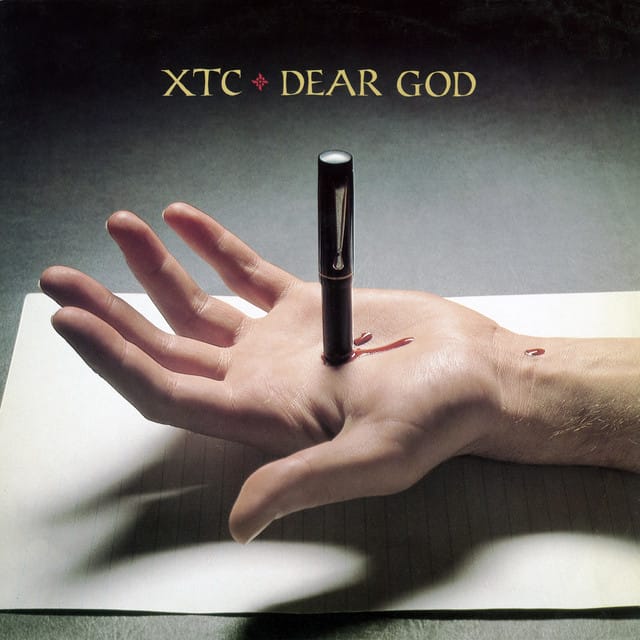
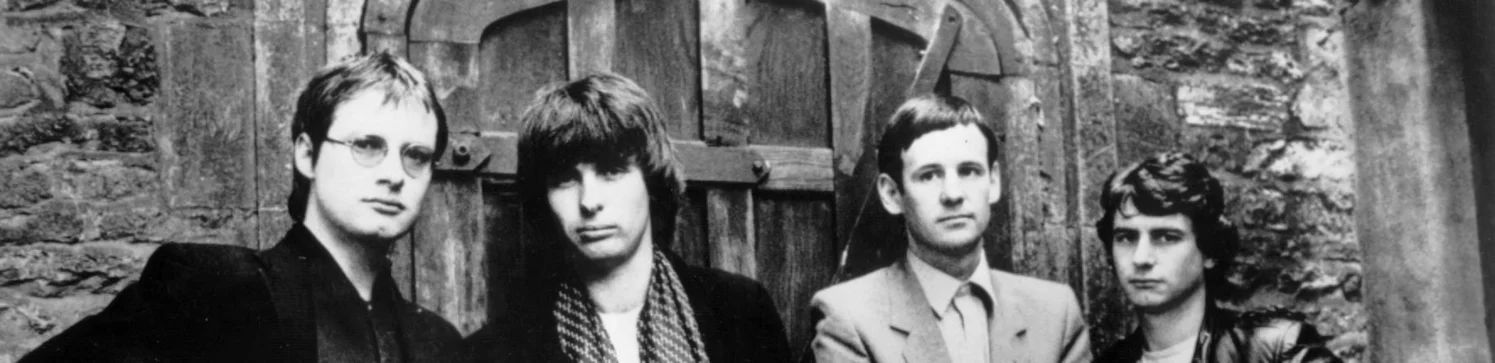
XTC were an English band from Swindon, Wiltshire, formed in 1972, whose restless intelligence and refusal to play by pop’s commercial rulebook made them both eccentric favourites and frustratingly underrated. Fronted by the mercurial songwriting partnership of Andy Partridge and Colin Moulding (with Partridge the more obsessive and theatrical of the two), XTC evolved from nervy, angular new wave into a chamber-pop outfit obsessed with melody, arrangement and domestic English detail. They stopped touring in 1982 after Partridge suffered a severe bout of stage fright and a breakdown; that decision reframed the group’s career, pushing them into the studio where their focus only intensified — their records became increasingly intricate, sometimes brittle, often rich with inventive production and wordplay that rewarded repeated listening.
Their influences were as varied as their output: the concise songcraft of the Beatles and the Kinks, the witty observationalism of XTC’s near-neighbours in British pop history, plus the restless experimentalism of psychedelia and progressive rock. Partridge’s fascination with English music hall and vaudeville trickled into the band’s ornate arrangements, while Moulding’s more restrained, melodic instincts owed as much to the pastoral tradition as to classic pop. Critics and fans also point to post-punk contemporaries — early Clash and Wire — as part of the cultural atmosphere that sharpened XTC’s edges, but the band always filtered those influences through a distinctly literate, often mordant perspective.
XTC’s influence on later musicians is clearer now than it often seemed in their commercial lifetime. American power-pop and indie acts — from They Might Be Giants to Blur in Britpop’s early days — have cited XTC’s taut songwriting and studio craft as inspirational. Graham Coxon of Blur has frequently mentioned the band’s knack for marrying melody with weirdness, and groups such as the Divine Comedy took cues from XTC’s theatrical baroque-pop tendencies. Though never a chart-dominating force, the band’s cult status and the admiration of peers helped cement their reputation among songwriters who prize complexity within the pop form.
Famous anecdotes about XTC highlight both their creative intensity and the oddity of their career choices. The band’s withdrawal from live performance after a disastrous late-1970s tour culminated in a mental-health crisis for Partridge; the ensuing decision to go studio-only is often cited as one of the more unusual turning points in pop history. Another oft-told story involves the single “Senses Working Overtime,” which gave the band their biggest chart success in 1982: Partridge reportedly wrote the song quickly as a way to prove to himself he could still produce an immediate pop hook even while wrestling with inner turmoil, and it became a bittersweet vindication of studio-focused work.
While XTC never achieved the commercial heights their talent seemed to promise, their body of work stands as a model of how British pop can be both intricately crafted and politically aware without resorting to cliché. Their later albums — groups of richly layered, sometimes sardonic examinations of English life and consumer culture — still resonate with listeners who prefer pop with teeth and wit. For anyone interested in how a band can reinvent itself away from the stage and still influence generations of songwriters, XTC remains essential reading.