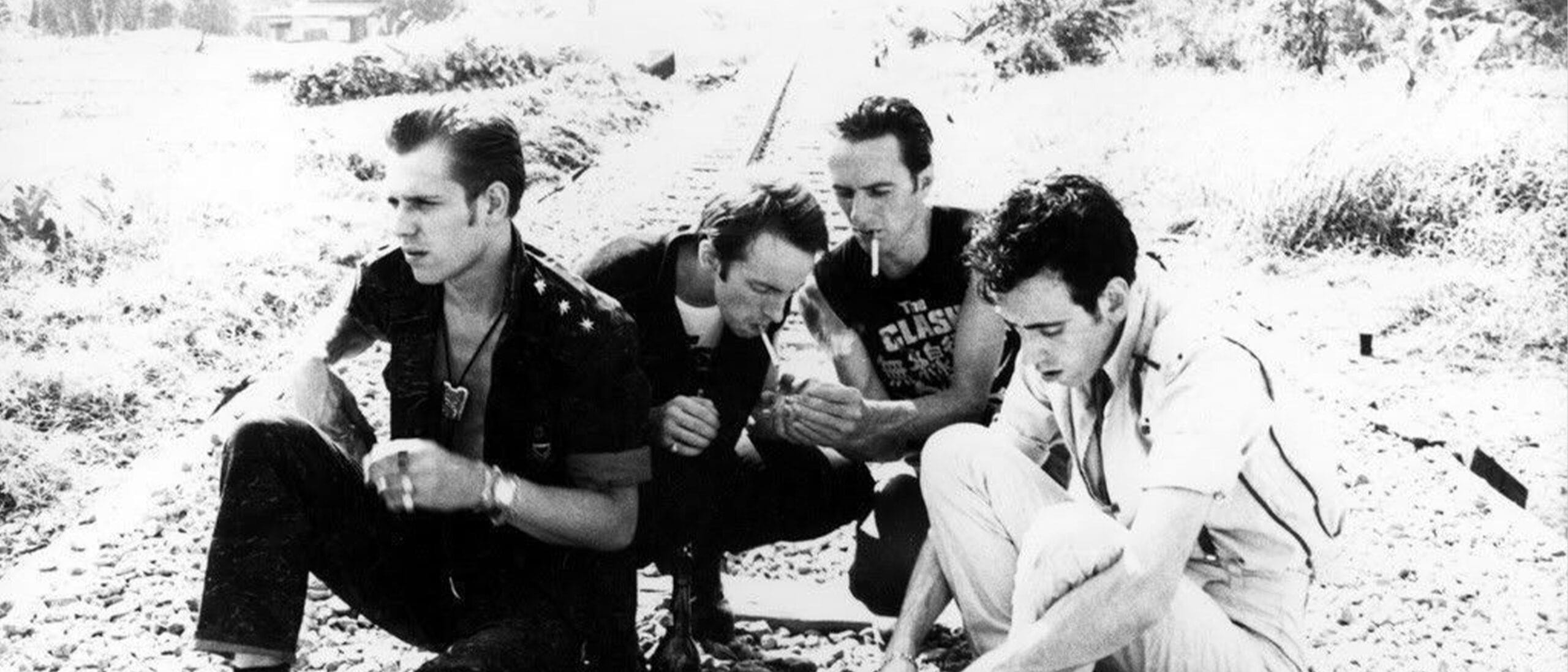
The Clash formed in 1976 in London, England, and quickly became one of the most politically charged and musically adventurous bands to emerge from the punk scene. From the outset they refused to be boxed into a single sound: while their early records carried the urgency and stripped-down attack of punk, they were equally unapologetic about introducing reggae, ska, rockabilly, dub, funk and even early hip-hop elements into their songs. That restless genre-mixing gave them a broader cultural reach than many contemporaries and helped make them poster-children for what punk could be when married to curiosity and conviction.
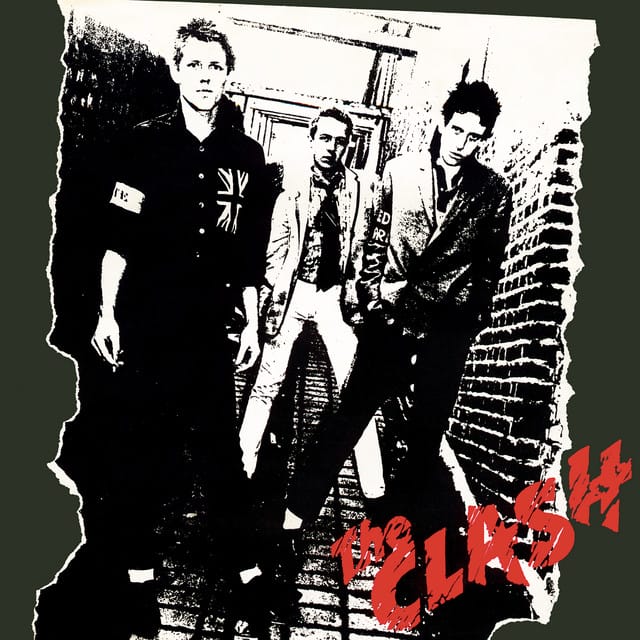
Fronted by Joe Strummer’s ragged, charismatic voice and Mick Jones’s melodic guitar work, the band’s songwriting often addressed social injustice, class anger and international politics with a rare combination of bluntness and craft. Songs like “White Riot”, “London’s Burning” and “Clampdown” channelled working-class frustration, while tracks such as “Spanish Bombs” and “Straight to Hell” showed a surprising lyrical depth and global perspective. Their self-titled debut and especially 1979’s London Calling demonstrated that punk could be literate, musically ambitious and emotionally wide-ranging without losing its bite.
The Clash’s influences were broad: they openly drew on the energy of the Sex Pistols and the UK punk scene but also on Jamaican reggae and dub (exemplified by their friendship and collaborations with reggae artists), early rock ’n’ roll and the Stax/Motown soul tradition. They admired and covered American roots artists too — you can hear the influence of rockabilly and the greats of American songcraft in many of Mick Jones’s arrangements. Their appreciation of other styles was not mere pastiche; it stemmed from deep listening and political sympathy with musicians from diverse backgrounds.
Their impact on later artists is obvious: bands across post-punk, alternative rock and even genres outside rock have cited The Clash as formative. U2 have spoken about how The Clash expanded rock’s possibilities, while punk and indie bands from Rancid to Green Day and The Libertines have acknowledged The Clash’s blend of melody and social conscience as a blueprint. Their example of mixing genres and addressing politics directly in popular music has made them a recurring reference point for artists wanting to combine urgency with ambition.
The band’s story is dotted with memorable anecdotes. A famous incident is their appearance at the Rock Against Racism concert and other grassroots mobilisations that underscored their commitment to activism rather than mere image. Another classic tale: during sessions for London Calling the band reportedly argued long into the night in the studio about song order and sound, producing one of rock’s most acclaimed double albums through intense debate rather than consensus. And while the group’s internal tensions — particularly between Strummer and Jones — eventually led to Mick Jones’s dismissal in 1983, their catalogue still stands as a restless, eloquent testament to a band that stretched punk into something much larger.