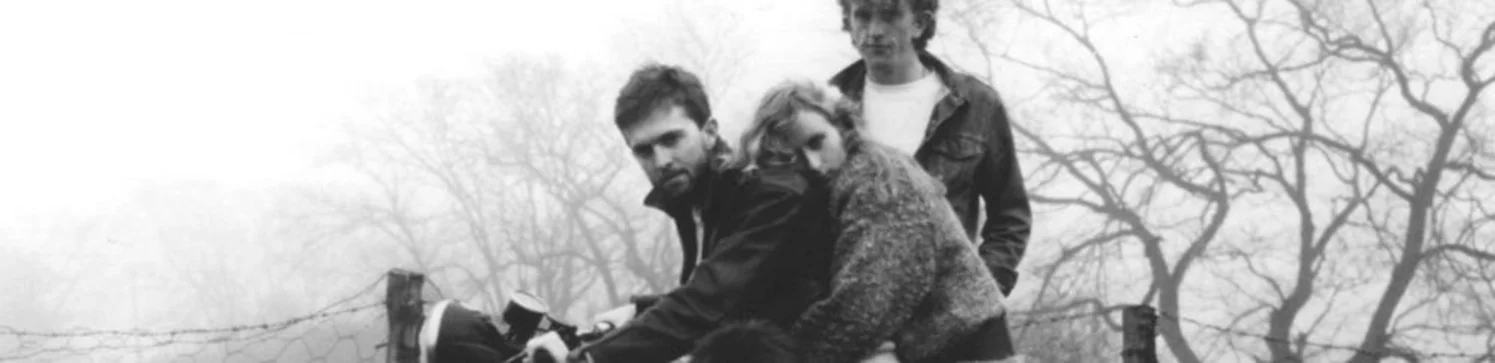
Prefab Sprout arrived in the early 1980s from Witton Gilbert, a small mining village outside Durham, carrying a kind of literate pop that treated songcraft like a civic duty. Led by the quietly brilliant Paddy McAloon, the band — rounded out by his brother Martin McAloon on bass, vocalist Wendy Smith, and drummer Neil Conti — combined northern reserve with an almost theatrical sophistication: chamber-pop arrangements, jazz-tinged chords and lyrics that favoured sharp observation over rock-star posturing. They never sounded like they were trying to own the festival stage; their music felt constructed, almost architectural, as if each record were a miniature suite meant to be read as much as heard.
Musically, Prefab Sprout’s influences are an eclectic and telling map: from the harmonic sensibilities of Burt Bacharach and Jimmy Webb to the wry, observational songwriting of Elvis Costello, and the subtler, cinematic ambitions of Scott Walker. McAloon’s taste for complex chord movements and chromatic voice-leading places him in a lineage with composers who treat pop as serious composition rather than mere commodity. Jazz and sophisticated pop arrangers clearly informed their textures — strings, brass and delicate piano flourishes appear not as ornament but as structural elements — while the band’s stoical northern English background kept the lyrics grounded in everyday ironies rather than grandiose confessions.
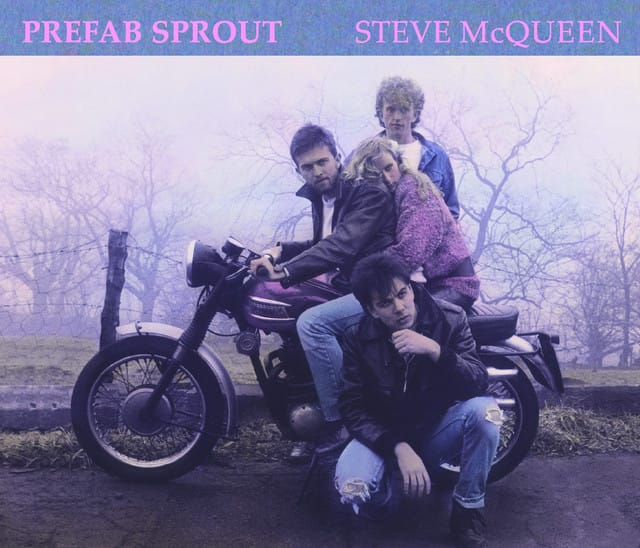
Their most famous record, Steve McQueen (retitled Two Wheels Good in the US), turned the group into critical darlings without ever making them safe radio regulars; “When Love Breaks Down” and “Cars and Girls” became signature songs, the latter a mordant commentary on the masculinist promise of mobility. One oft-repeated anecdote that captures their oddball fame: when McAloon once declined to attend the band’s own Top of the Pops appearance because of a disagreement over how they might be presented, it became emblematic of their refusal to trade principle for exposure. Another story — less well-known but revealing — concerns McAloon’s studio perfectionism: sessions could be painstaking, with arrangements reworked until a line felt inevitable rather than merely catchy.
Although Prefab Sprout never became a household-name stadium band, their influence rippled through British indie and sophisticated pop acts in the 1990s and beyond. Artists such as The Divine Comedy’s Neil Hannon and later chamber-pop practitioners have cited Prefab Sprout’s fusion of literate songwriting and lush arrangements as a template for marrying wit with musical ambition. Their work also quietly prefigured the baroque tendencies of some later singer-songwriters who sought to expand pop’s harmonic palate without losing melodic immediacy. Despite this, they remain a lover’s band — the sort other musicians respect loudly and mainstream charts politely ignore.
Politically and culturally, Prefab Sprout never wore a manifesto, but their posture was distinctly humane and urbane in a British scene that often divided into working-class rallying cries and metropolitan cool. McAloon’s lyrics — sceptical about clichés of masculinity, attentive to classed experience, suspicious of easy sentiment — feel in many ways of a left-leaning temperament: prioritising nuance, empathy and critique over bombast. That temperament, paired with a refusal to commodify themselves fully, helped the band maintain credibility among critics and a devoted core audience even as chart trends moved away from their brand of refined pop.