Thom Yorke is best known as the enigmatic frontman of Radiohead, a band hailing from Abingdon, Oxfordshire, England. Since their emergence in the early 1990s, Yorke has been a defining voice in alternative rock, known for his haunting falsetto and deeply introspective lyrics. His work, both with Radiohead and as a solo artist, reflects a restless creativity that constantly pushes the boundaries of what rock music can be. Yorke’s distinctive vocal style and experimental approach to songwriting have made him a pivotal figure in modern music.
Yorke’s influences are as diverse as his output, drawing from a wide range of sources including the punk energy of The Clash, the electronic textures pioneered by Kraftwerk, and the avant-garde compositions of composers like Steve Reich. This eclectic mix is evident in Radiohead’s evolution from the grunge-tinged rock of their debut album Pablo Honey to the sonically adventurous Kid A and beyond. Yorke has often cited artists such as John Lennon and Miles Davis as inspirations, which speaks to his broad musical palette and willingness to incorporate elements from jazz, classical, and electronic music into his work.
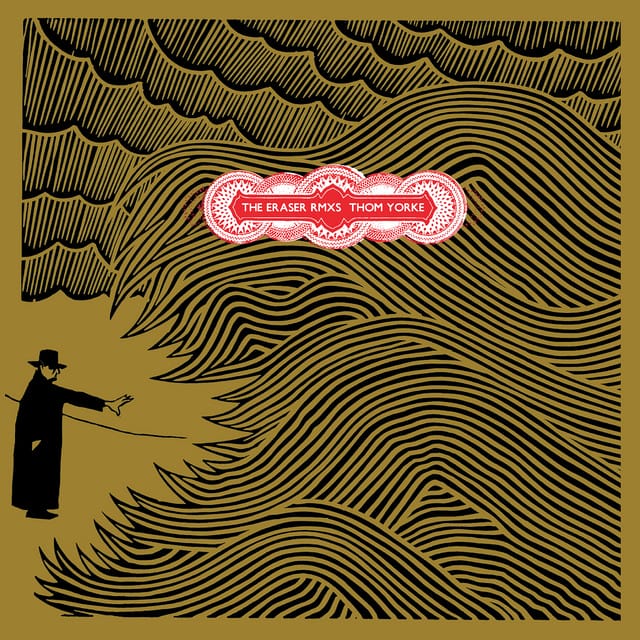
Radiohead’s impact on other musicians is profound. Bands like Muse, Coldplay, and Arcade Fire have acknowledged Radiohead’s influence on their sound and approach to music-making. Yorke’s solo work, particularly the album The Eraser, has also inspired a generation of electronic and indie artists to explore the intersection of technology and human emotion. The band’s willingness to innovate—whether through their surprise release of In Rainbows with a pay-what-you-want model or their integration of multimedia art in live performances—has set new standards for how music can be created and consumed.
One of the more famous anecdotes involving Yorke and Radiohead is the story behind the song “Creep.” Initially, the band struggled to get the track released, and it was even dropped from their live sets for a time due to its overwhelming popularity overshadowing their other work. However, “Creep” became a global hit and remains one of the most iconic alternative rock songs of the 1990s. Yorke himself has expressed mixed feelings about the song, seeing it as both a blessing and a curse in terms of his artistic identity.
Beyond Radiohead, Yorke’s activism and outspoken views on climate change and digital rights have cemented his role as an artist deeply engaged with the world around him. His collaborations with other artists, such as his work with the supergroup Atoms for Peace, show his commitment to exploring new musical territories. Thom Yorke’s career is a testament to the power of artistic evolution, and his influence continues to ripple through contemporary music, inspiring artists and fans alike to rethink the possibilities of sound and expression.