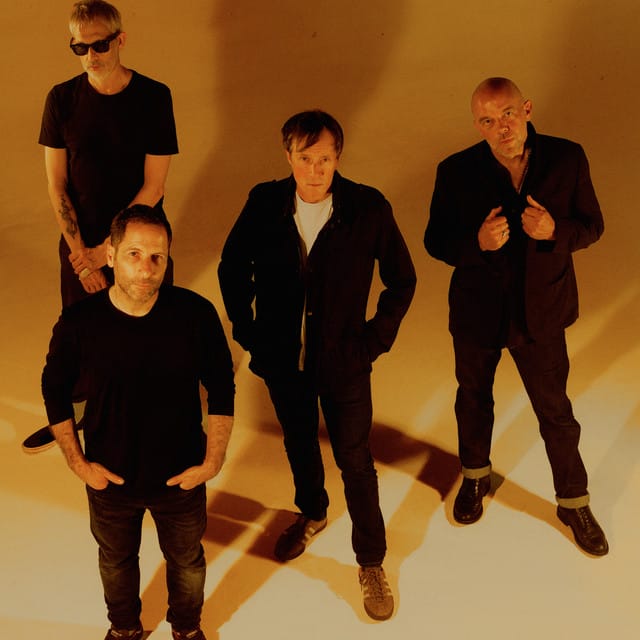

Radiohead, hailing from Abingdon, Oxfordshire, England, emerged in the late 1980s as a band that would come to redefine the boundaries of alternative rock. What sets Radiohead apart is their relentless experimentation, blending rock with electronic music, jazz, and classical elements, creating a sound that is both challenging and deeply emotive. Their early work, especially the breakthrough single “Creep,” initially cast them as a somewhat conventional rock band, but it was their refusal to remain static that has cemented their legacy. Albums like OK Computer and Kid A are often cited as milestones in modern music, not just for their sonic innovation but for their prescient commentary on technology and alienation.
The band’s influences are diverse and eclectic, ranging from the melancholic lyricism of Nick Drake to the avant-garde textures of Can and the electronic pioneering of Aphex Twin. Thom Yorke’s vocal delivery and songwriting have been compared to the emotional intensity of Jeff Buckley, while Jonny Greenwood’s guitar and compositional style reveal a deep appreciation for classical composers such as Krzysztof Penderecki. This blend of rock tradition and experimental avant-garde has allowed Radiohead to continuously evolve, never settling into a predictable pattern.
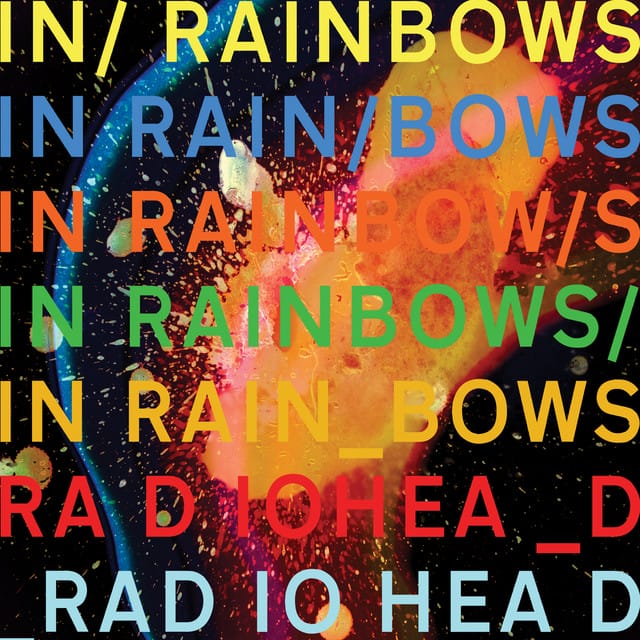
Radiohead’s impact on other musicians is profound and widely acknowledged. Bands such as Muse, Coldplay, and Arcade Fire have cited Radiohead as a significant influence, particularly in how they approach album-making as an art form rather than just a collection of songs. The band’s pioneering approach to digital distribution—most famously with the In Rainbows pay-what-you-want release—has also influenced the music industry’s relationship with its audience, challenging conventional models of music commerce and artist control.
One famous anecdote that captures Radiohead’s ethos is their response to the leak of Kid A before its official release. Rather than panic, they embraced the leak, understanding that the album’s complex and initially challenging sound would find its audience regardless. This attitude reflects the band’s confidence in their artistic vision and their unconventional approach to the music business. Another notable story is their collaboration with filmmaker Paul Thomas Anderson for the There Will Be Blood soundtrack, where Jonny Greenwood’s composition skills outside the band were widely praised, illustrating the members’ wide-ranging talents beyond Radiohead itself.
Despite their global fame, Radiohead has maintained a reputation for artistic integrity and a wariness of celebrity culture. Their music often explores themes of modern anxiety, political disillusionment, and environmental concerns, resonating deeply with listeners who find in their sound a reflection of contemporary life’s complexities. This combination of innovation, influence, and introspection makes Radiohead not just a band but a continuing force in shaping the landscape of 21st-century music.