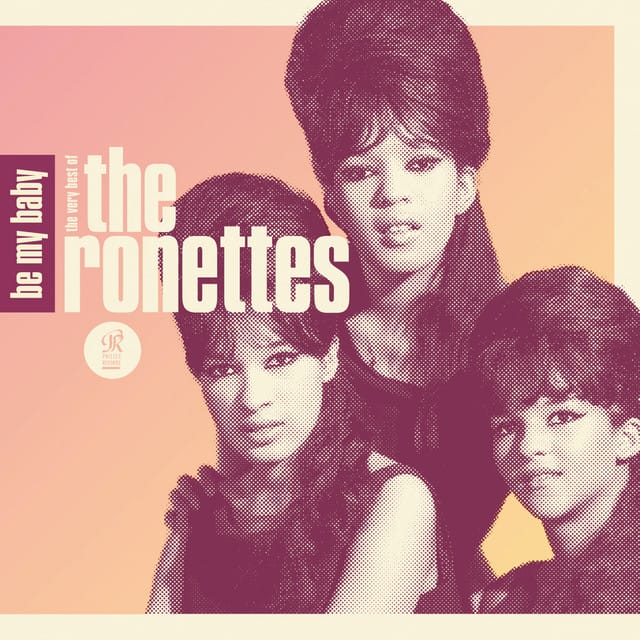
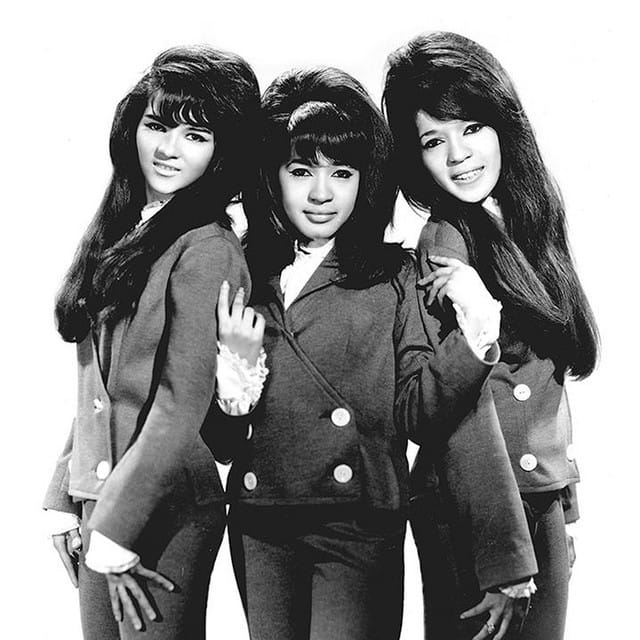
The Ronettes, hailing from the heart of New York City, were a defining force in the 1960s girl group scene, carving out a distinct sound that combined raw emotion with lush, Phil Spector-produced wall of sound arrangements. Fronted by the unmistakable voice and presence of Ronnie Spector, the group—comprising Ronnie, her sister Estelle Bennett, and their cousin Nedra Talley—captured the zeitgeist of an era marked by youthful optimism and burgeoning pop culture. Their music was not just about catchy hooks; it was a blend of doo-wop, R&B, and pop that reflected the urban landscape they grew up in, giving their songs an authenticity that resonated deeply with listeners.
The Ronettes drew inspiration from a variety of sources, including the gospel harmonies they heard in church, the rhythm and blues records that flooded the airwaves, and the burgeoning Motown sound. Phil Spector’s production genius was crucial, but the group’s own gritty energy and vocal interplay were equally important. Their hit “Be My Baby” is often cited as a masterpiece of pop production, with its iconic drum beat and layered vocals influencing countless artists. The story goes that the drum intro, played by session drummer Hal Blaine, was inspired by the sound of a motorcycle engine, adding an almost cinematic quality to the track that set it apart from anything else at the time.
The Ronettes’ impact on other musicians is profound and well-documented. The Beatles famously admired them, with John Lennon once describing Ronnie Spector’s voice as “the best voice in the world.” Their influence extended beyond the 1960s, shaping the sound of later girl groups and pop acts. Artists like Amy Winehouse and even contemporary pop stars have cited the Ronettes as a key influence, particularly in how they combined vulnerability with strength in their performances. The group’s style—the beehive hairdos, heavy makeup, and glamorous stage presence—also set a template for female performers that persists in some form to this day.
An often-told anecdote about the Ronettes involves their tumultuous relationship with Phil Spector, who was both their producer and Ronnie’s husband. While Spector’s production catapulted them to fame, his controlling nature behind the scenes created a difficult working environment. Ronnie Spector’s later memoirs reveal how she felt trapped both personally and professionally, which adds a poignant layer to the group’s legacy. This story is a reminder of the complexities behind the scenes of pop stardom in the 1960s, where creative brilliance often came at a personal cost.
Despite their relatively brief time in the spotlight, the Ronettes’ legacy endures. They were inducted into the Rock and Roll Hall of Fame in 2007, a testament to their lasting influence on the music industry. Their songs continue to be featured in films, commercials, and covers, proving that the emotional power and sonic innovation they brought to the pop world remain relevant. The Ronettes are not just a nostalgic footnote; they are a blueprint for what girl groups could achieve—combining style, substance, and a sound that still feels fresh more than half a century later.