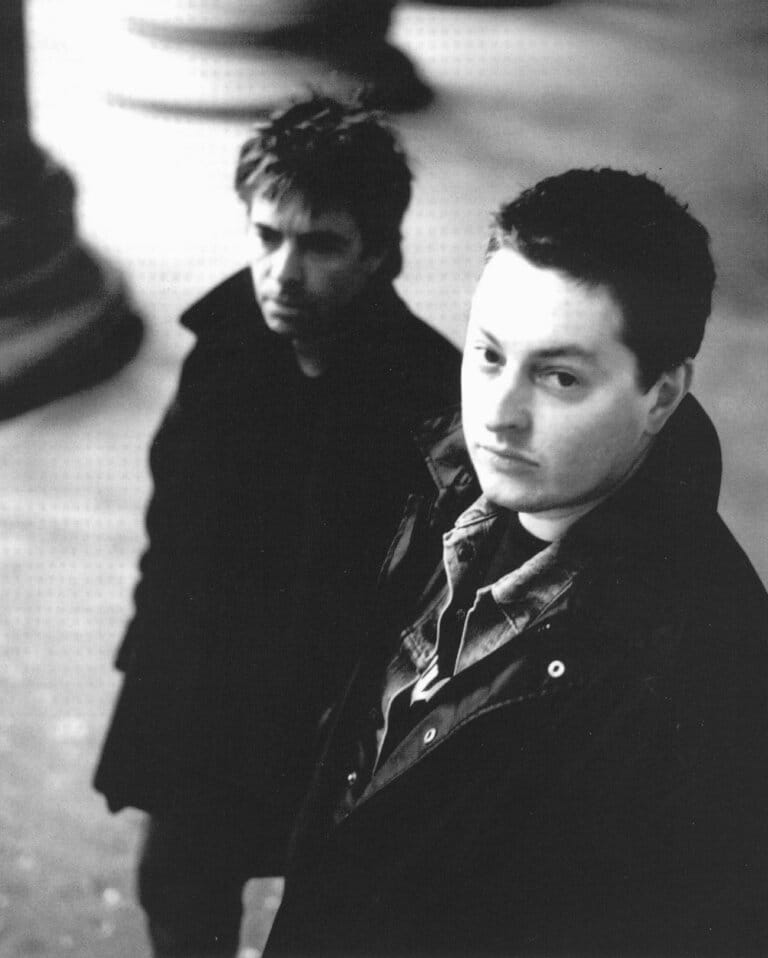
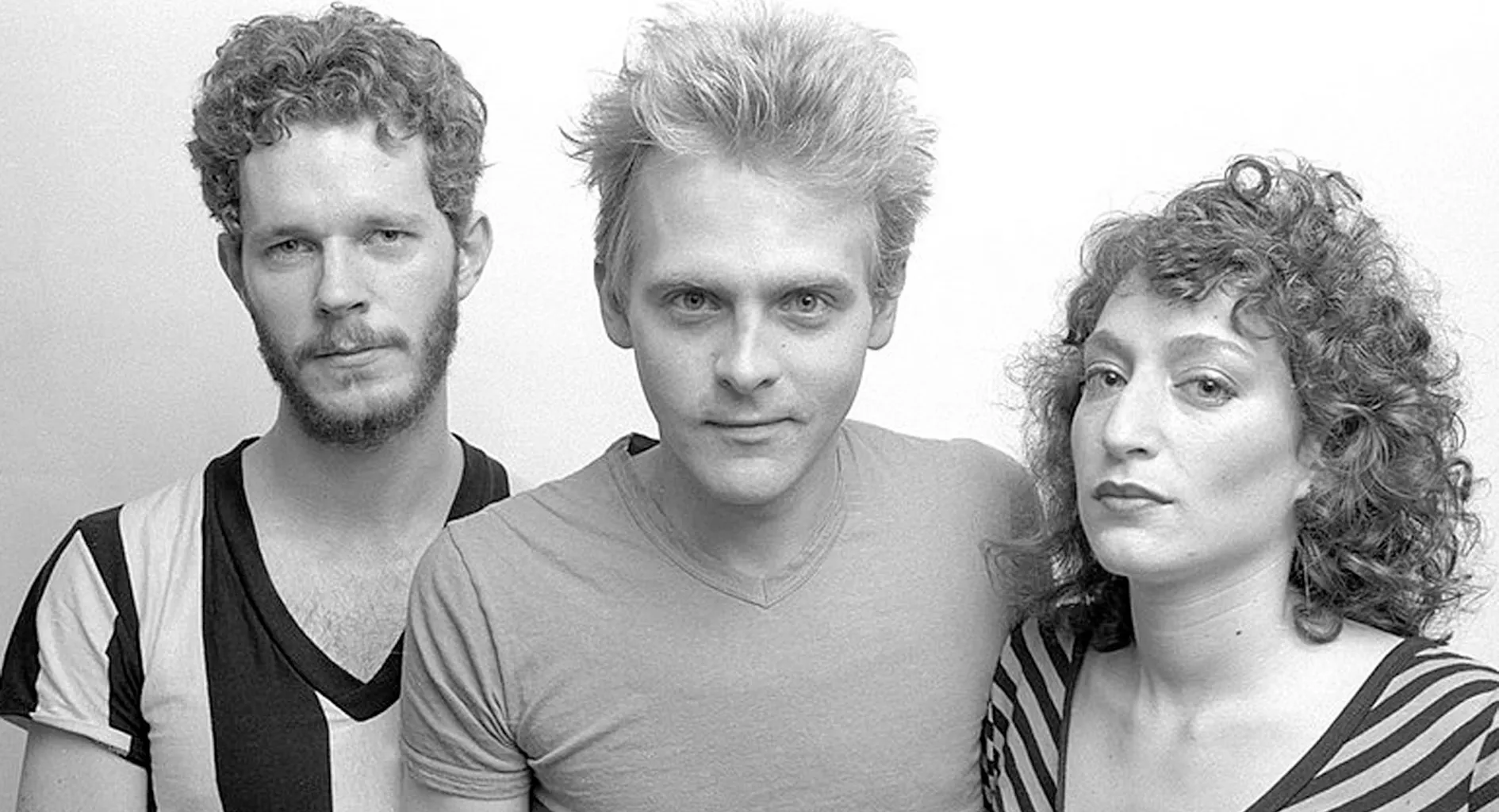
The Units emerged from San Francisco’s underground scene in 1978, carving out a distinctive niche at the intersection of punk and electronic music. At a time when synths were mostly confined to prog rock or disco, The Units wielded synthesizers with a raw, confrontational edge, pioneering what would later be called synthpunk. Their sound was stark and minimalist, with repetitive, hypnotic rhythms underpinned by urgent, often dystopian lyrics that reflected the anxieties of the Cold War era. The band’s early use of drum machines and synthesizers set them apart from their punk contemporaries, making them a vital link between punk’s DIY ethos and the burgeoning electronic music movement.
Drawing inspiration from the likes of Kraftwerk’s mechanistic precision and the abrasive attitude of bands like The Screamers, The Units crafted a sound that was both futuristic and fiercely immediate. They also absorbed the raw energy of the San Francisco punk scene itself, yet consciously rejected guitars, which was unusual for punk bands at the time. This stripped-down approach gave their music a hypnotic quality that challenged conventional ideas of rock instrumentation. Their live shows were known not just for music but for performance art elements that engaged and unsettled audiences—sometimes including confrontational stage antics that blurred the line between band and audience.
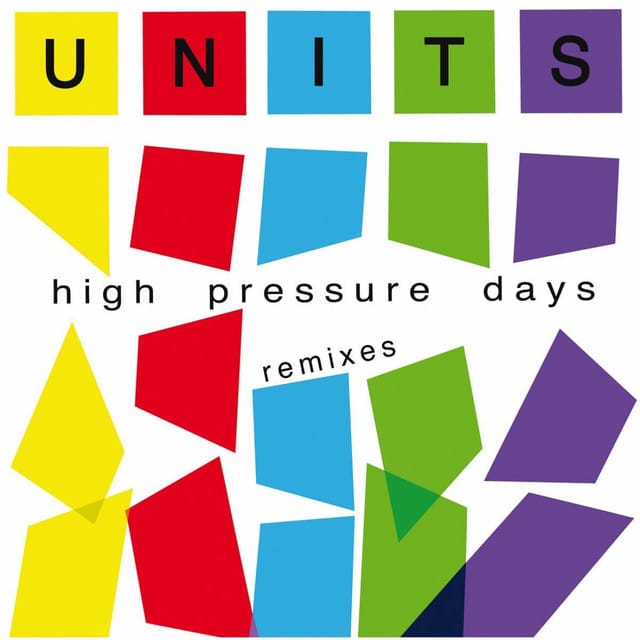
The influence of The Units ripples through many subsequent bands, particularly within the synthpunk and industrial genres. Groups like Devo and later acts such as LCD Soundsystem have acknowledged the groundwork laid by The Units’ fusion of punk attitude and electronic instrumentation. While not achieving mainstream commercial success, their cult status is significant; they are frequently cited in discussions about how electronic music infiltrated punk and alternative scenes during the late 1970s and early 1980s. Their seminal track “High Pressure Days” remains a touchstone for bands exploring dystopian themes with a mechanical pulse.
One famous anecdote involves their early performances at San Francisco’s Mabuhay Gardens, a venue central to the punk scene. The Units’ choice to eschew traditional instruments often confused first-time listeners, some of whom expected guitar-driven punk. Instead, the band’s drum machines and synthesizers produced an almost alien soundscape that was both hypnotic and confrontational. This approach sometimes polarized audiences but also earned them a devoted following who saw in The Units something genuinely original—a band unafraid to push boundaries in both sound and style.
Despite periods of inactivity and lineup changes over the decades, The Units have maintained a distinct identity that continues to inspire new generations of musicians. Their work serves as a reminder that innovation often comes from challenging the norms of genre and instrumentation. The Units are not just a footnote in San Francisco’s rich musical history—they stand as pioneers who expanded the vocabulary of punk music by introducing synthesizers as instruments of rebellion rather than decoration.