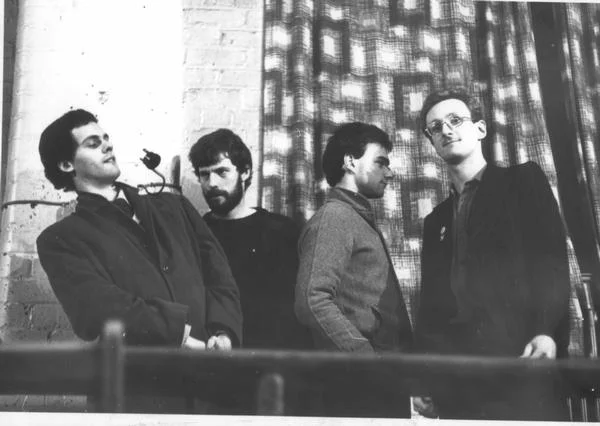

DEVO, an American band hailing from Akron, Ohio, emerged in the early 1970s with a vision that was as much about art and satire as it was about music. Their name, short for “de-evolution,” encapsulates their core philosophy: the idea that instead of evolving, humanity was regressing. This concept permeated their work, setting them apart from their contemporaries. DEVO’s sound was a unique fusion of punk rock, new wave, and electronic music, driven by quirky synthesizers, robotic rhythms, and the distinctive vocal interplay of Mark Mothersbaugh and Gerald Casale.
The band drew inspiration from a wide array of sources. The avant-garde art scene, science fiction, and the absurdity of modern life heavily influenced their approach. Musically, DEVO was inspired by the minimalist, repetitive structures of Kraftwerk and the raw energy of punk pioneers like The Stooges and The Velvet Underground. Their stage presence, complete with matching industrial jumpsuits and surreal visuals, was a direct challenge to the conventional rock star image, making every live show a performance art piece that blurred the lines between satire and sincerity.
DEVO’s influence has been far-reaching, impacting not only music but also pop culture at large. Bands like Radiohead, Nine Inch Nails, and The Flaming Lips have cited DEVO as a significant influence, particularly admiring their fearless experimentation and conceptual boldness. The band’s hit single “Whip It” remains a cultural touchstone, its catchy synth riff and absurdist video a staple of early MTV and a symbol of the quirky side of the new wave movement. Despite the commercial success of “Whip It,” DEVO always maintained a critical edge, using irony and humour to comment on conformity and consumer culture.
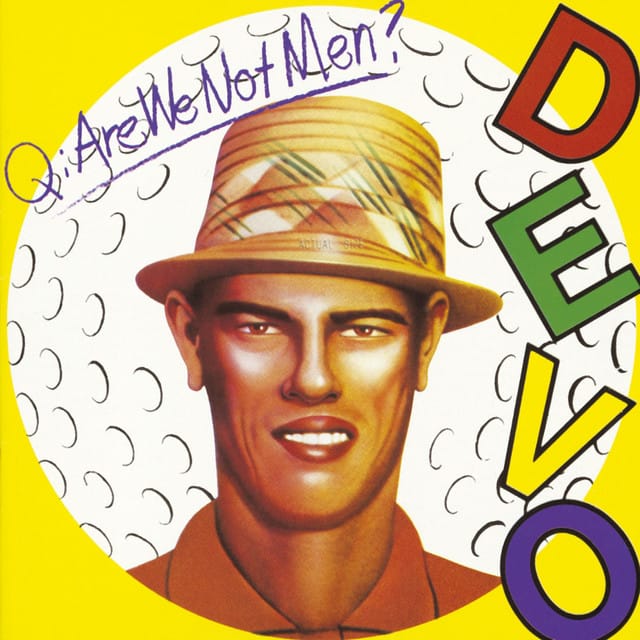
One of the more famous anecdotes about DEVO involves their early days, where they would perform wearing red energy dome hats, which have since become iconic. These hats were not just a fashion statement but a symbol of their “de-evolution” theory, designed to focus energy and creativity. Another notable story is their early collaboration with Brian Eno, who produced their debut album “Q: Are We Not Men? A: We Are Devo!” Eno’s involvement helped shape their sound, blending their raw punk energy with a polished, experimental edge that set the tone for their career.
In summary, DEVO’s legacy is one of innovation and critique wrapped in a package of catchy, often bizarre pop music. Originating from Akron, Ohio, they transformed their regional influences and intellectual ideas into a distinctive sound and image that challenged the music industry’s norms. Their work continues to resonate with artists and fans who appreciate music that pushes boundaries and questions the status quo. DEVO’s place in music history is secure, not just for their hits but for their fearless approach to creativity and commentary.