SF0193 The Cure- The First Ten Years

Olivia Rodrigo inviting Robert Smith on stage at Glastonbury seems the perfect excuse to revisit the first 10 golden years of The Cure.

I started the 1980s as a schoolboy living in a suburban Coventry house and finished them living in my own flat (we didn’t call them apartments then) in London. In between there were the usual rites de passage, although none of it involved walking over burning coals or killing a lion. Instead it went school, gap year, girlfriends, university, friendships for life, formed a band, left the band, job up north, parental death, job down south, into my own place. One month into the 1990s I met my wife – well, she wasn’t my wife yet, but soon would be – and the rather less eventful, if more settled next decade kicked off.
Only The Fall and Joy Division/New Order were a more constant musical companion throughout that decade than The Cure. And New Order had really done all their development work by ‘Blue Monday’ in 1983, while for The Cure it was a case of constant evolution.
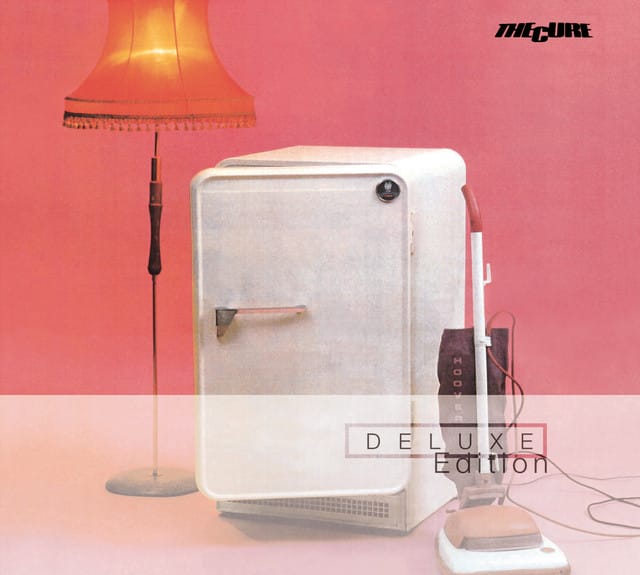
They started off in 1978, much like myself, in anonymous suburbia. For them, Crawley. But, unlike myself, their early band, ‘Easycure’, in time became one of the most successful in the world. That seemed fanciful in the extreme when they recorded their first album, ‘Three Imaginary Boys’, in 1979. It included a song about a special offer on a cake icing and decorating set from the British Sugar Bureau. It was quirky, gimmicky in places and you wouldn’t have been surprised if that was that and they’d have gone the way of the Desperate Bicycles or, at best, Spizz Energi.
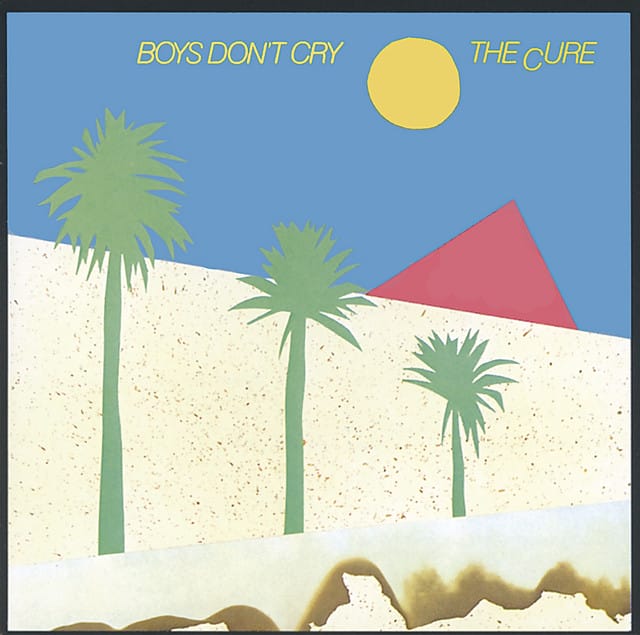
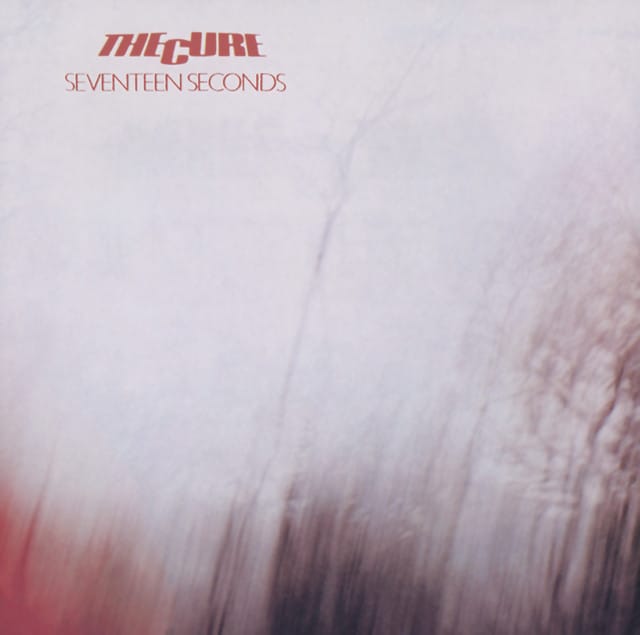
But tucked away on that first album were the seeds of greatness in a track called ‘Fire in Cairo’. And then we got ‘Boys Don’t Cry’, the perfect pop single. And everything changed. Or did it? Because the next two albums, ‘Seventeen Seconds’ and “Faith’ didn’t appear to be at all commercial if you weren’t paying attention. There was one mesmerising single, ‘A Forest’, true. But neither critics nor the general public seemed quite sure what to do with this band, especially when Robert Smith created the goth genre (though other like Bauhaus might reasonably stake a greater claim) with the doom-laden Pornography. Then there was a misstep with ‘The Top’, although, as ever, one great single crawled out of the woodwork with ‘The Caterpillar’.
However, about this time, Smith decided he’s had enough of depressing the bejesus out of everyone and recorded ‘Love Cats’. Again, a completely unpretentious, playful pop hit. Then came the outstanding ‘Head on the Door’ LP, ‘Album of the Year’ in Melody Maker in 1985. Even then nobody quite expected the excellent run of singles which closed down the decade– ‘Inbetween Days’, ‘Close to me’, ‘Just like heaven’, ‘Catch’, ‘Love Song, ‘Lullaby’. They kept coming.
Nor did anyone anticipate the epic masterpiece of ‘Disintegration’ in 1989. They’d gone from their suburban homes to arena filling mega-group. I meanwhile was holding down a respectable job writing briefs and running groups in Paddington. A pleasing trajectory, yes, but not quite on the The Cure’s scale. It was never quite as good again for them, but then again youth’s a thing that will not endure, so it was only to be expected. I preferred the ‘90s when everything had fallen into place, but, unlike The Cure, I can be a little unadventurous.
Enjoy following the journey on this episode.
Tracklisting (14 songs)

Boys don’t cry
- Band/Artist:
- The Cure
Meat Hook
- Band/Artist:
- The Cure
Jumping Someone Else’s Train
- Band/Artist:
- The Cure
Secrets
- Band/Artist:
- The Cure
Everywhere
- Band/Artist:
- Cranes
All cats are grey
- Band/Artist:
- The Cure
The Hanging Garden
The Caterpillar
- Band/Artist:
- The Cure
Doused
- Band/Artist:
- DIIV
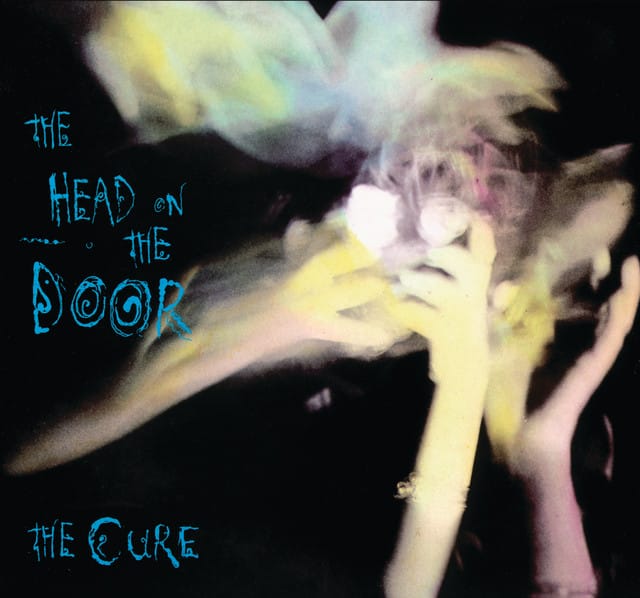
Six different ways
- Band/Artist:
- The Cure
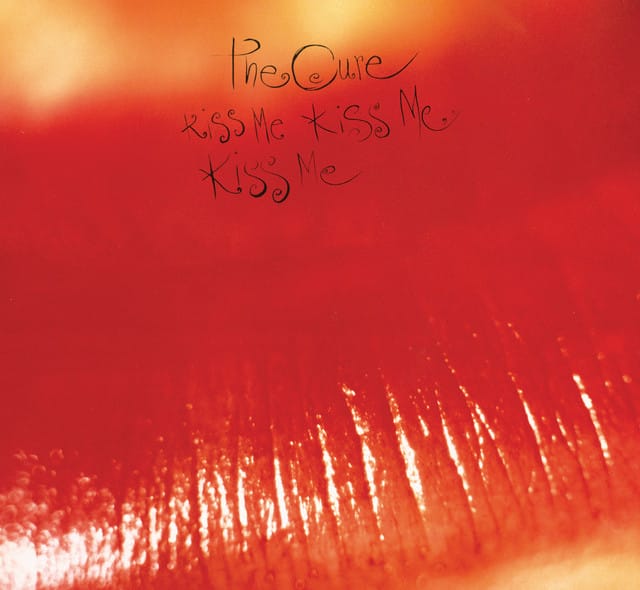
Catch
- Band/Artist:
- The Cure

Closedown
- Band/Artist:
- The Cure
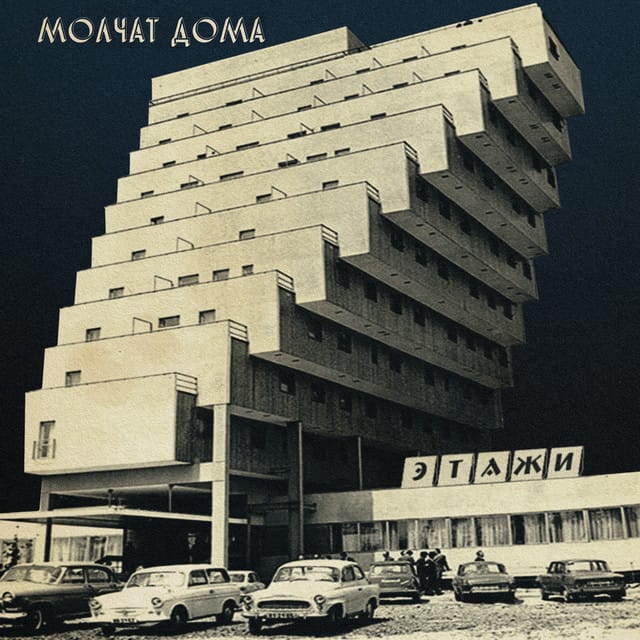
Tocka
- Band/Artist:
- Molchat Doma
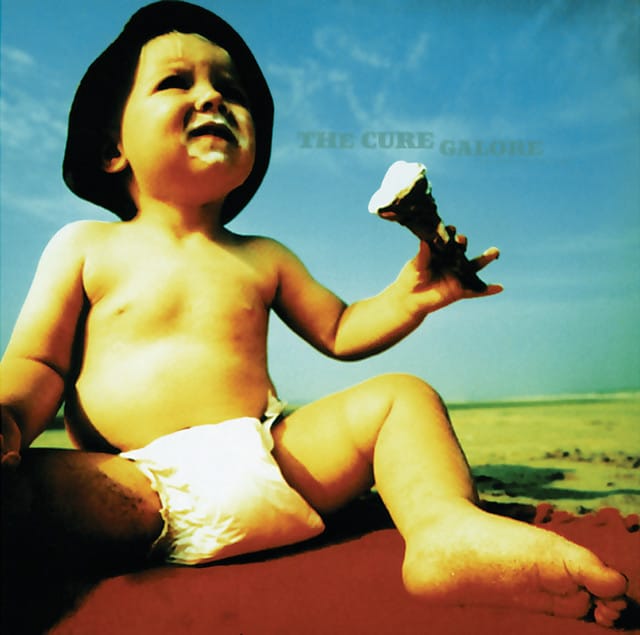
Just like heaven
- Band/Artist:
- The Cure