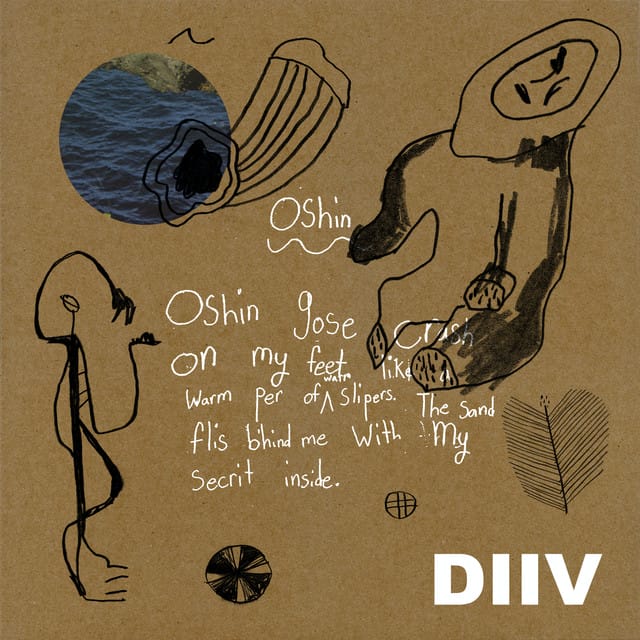

DIIV formed in Brooklyn, New York, in 2011, led by Zachary Cole Smith, who came into the project after drifting through several scenes and a short-lived previous band. From the outset DIIV refused the tidy labels that often get slapped on guitar groups — they moved between shimmering shoegaze textures, coldwave minimalism and a brittle, post-punk lyricism — and the band became a kind of nervous, coastal counterpoint to the sunlit reverb-pop that dominated indie playlists in the early 2010s. Their early EPs and the debut album Oshin announced a group obsessed with mood and texture: guitars layered like gauze, drum patterns that tuck and push, and Smith’s half-distant vocals that often feel like a private confession overheard in a back alley.
The band originates in New York City, but their sound wears wider geography: you can hear echoes of the British shoegaze and post-punk tradition — My Bloody Valentine’s dense guitar wash, Slowdive’s dreamy ache, and the brittle clarity of early Echo & the Bunnymen — folded into something that nods to American indie’s sun-soft palettes. Smith has cited Sonic Youth, Galaxie 500 and The Jesus and Mary Chain among touchstones; he’s also spoken about the influence of more contemporary peers who foreground texture over technicality. While DIIV’s sonic vocabulary came partly from those antecedents, their particular skew toward introspective, often narcotic-tinged lyricism gave them a distinct personality in a scene hungry for mood.
Influence runs both directions: while DIIV wore their debts openly, later bands in the dream-pop and modern shoegaze corridors have pointed to Oshin and 2016’s Is the Is Are as reference points for marrying brightness with a darker lyrical core. Acts that came up later in the decade — smaller guitar projects and bedroom producers aiming for that humid, reverb-heavy feel — often name DIIV among the contemporary acts that made it acceptable to be both pretty and anxious on record. That said, DIIV have not reached the canonical heights of the very oldest shoegaze bands; their influence is palpable most strongly in a second-tier of indie bands and DIY producers who filtered DIIV’s sound through bedroom recording tricks.
The band’s trajectory has not been free of drama, and a couple of famous anecdotes have shaped how they’re talked about. The period around the recording and release of Is the Is Are was marred by public struggles — Smith’s well-documented battles with addiction led to cancelled tours and internal strain, which contributed to the band entering a long, fraught hiatus. The honesty with which those difficulties were acknowledged — and the way the band’s music seemed to both reflect and obscure Smith’s turmoil — became part of the story critics and fans discussed, sometimes with empathy, sometimes with frustration. Another often-recounted episode was the 2013 controversy when the band’s publicity and Smith’s statements about artistic influences and mentorship sparked online debate about appropriation and privilege in indie circles; it became shorthand in some quarters for the tricky intersection of artistic admiration and entitlement.
Across their discography, DIIV’s strength is in textures that complicate easy emotional readings: songs that glint with surfy brightness while the lyrics unspool loneliness, regret and self-questioning. They’ve always been a band that rewards close listening rather than background playlisting. If there’s a through-line, it’s a restless search for clarity — in tone, in voice, in self — and a recognition that beauty and collapse can coexist in the same chord progression. For listeners and younger bands drawn to that uneasy mix of prettiness and pain, DIIV remains a touchstone of 2010s indie rock: influential not because they rewrote the playbook, but because they showed how to make mood and messiness feel compositionally intentional.