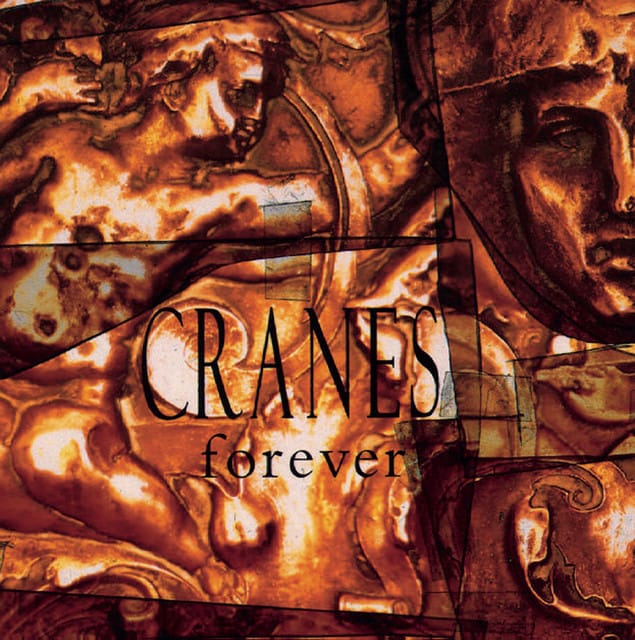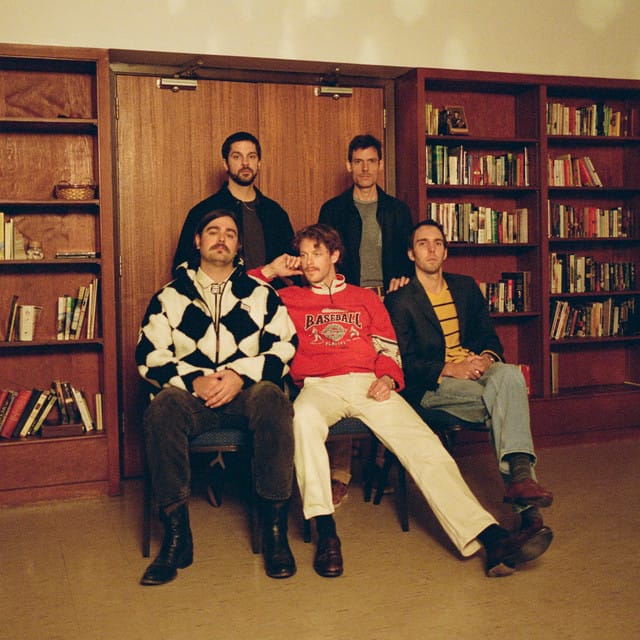
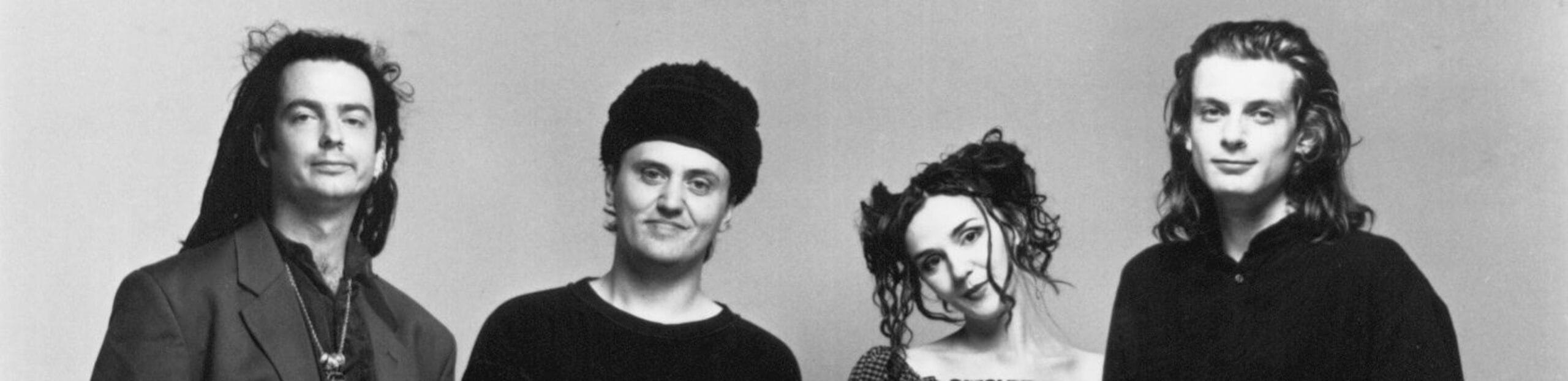
Cranes are a dreamlike trio formed in 1985 in Portsmouth, England, known for their fragile, otherworldly sound that blends ethereal vocals, sparse guitar textures and slow, insistent rhythms. Fronted by siblings Alison Shaw (vocals, bass, later some guitar) and Jim Shaw (guitar, keyboards), with a rotating cast of drummers and collaborators, the group cultivated an atmosphere that felt less like conventional songs and more like miniature, hushed rituals — a quality that set them apart from many of their shoegaze and alternative contemporaries. Their early records, particularly the 1990 debut EPs and the 1991 album “Wings of Joy,” introduced listeners to Alison’s haunting, childlike soprano floating over Jim’s chiming, reverb-heavy guitar lines and minimalist percussion, creating a tension between delicacy and an almost primal steadiness.
Though often associated with shoegaze because of their textured guitars and reverb-soaked production, Cranes never neatly fit into any single scene. Their influences read as eclectic: the gothic atmospheres of Siouxsie and the Banshees, the pastoral melancholy of Cocteau Twins, and the stark minimalism of krautrock and post-punk all left fingerprints on their music. They also drew from folk traditions and a fascination with ritualistic repetition — elements that made their songs feel cyclical and hypnotic rather than simply layered. Producers and labelmates on Dedicated and Beggars Banquet encouraged their experimental leanings, allowing the band to keep a distinct sense of space in their recordings rather than crowding every track with maximal production.
Cranes’ reach extended beyond their immediate scene: in the mid‑90s they signed to Dedicated and enjoyed wider exposure when Radiohead covered their song “The Wonder” during early BBC sessions, a nod that helped broaden interest in their work among alternative audiences. Members of other bands have cited Cranes’ moody minimalism and Alison’s singular voice as influential — particularly within indie and experimental circles where vocal timbre and atmosphere are valued over overt virtuosity. Bands such as Low and Mazzy Star, who prize restrained delivery and slow dynamics, have been linked to the same aesthetic lineage, and musicians within the underground shoegaze revival often point to Cranes as a touchstone for how silence and space can be used as instruments.
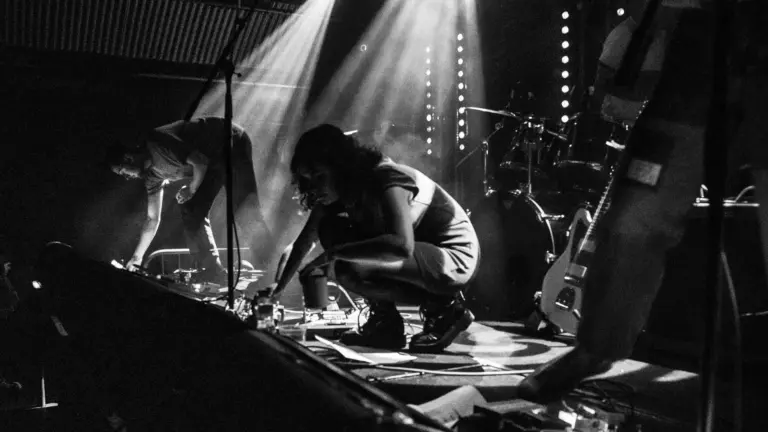
Several anecdotes surrounding Cranes underscore their uncanny stage presence and commitment to mood. During a notorious 1992 concert at Heaven in London, Alison performed surrounded by a semi-circle of flickering candles and a small child’s rocking horse on stage; audiences and reviewers remembered the show as part ritual, part performance art, leaving many unsure whether to applaud or remain spellbound. Another memorable story comes from their collaboration period with dance and electronic producers in the late 1990s: instead of turning poppier to chase chart success, the band insisted on preserving long, meditative passages, frustrating A&R expectations but strengthening their cult reputation among fans who valued integrity over compromise.
Across a career marked by on-and-off activity, lineup changes and occasional long breaks between albums, Cranes have maintained a consistent aesthetic — a belief that music can be minimal and intense at once, intimate and ominous. Their later albums continued to explore texture and mood rather than conventional hooks, and Alison’s vocal identity remained the band’s signature, an instrument that could be both warm and glassy, eerie and tender. For listeners hungry for music that privileges atmosphere, repetition and the uncanny power of restraint, Cranes stand as a singular example of how a small, quiet band from Portsmouth carved out a lasting, unusual niche in British alternative music.