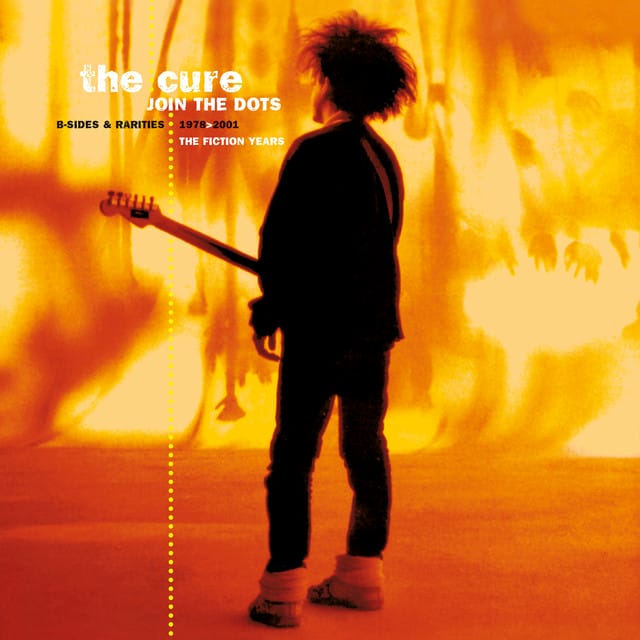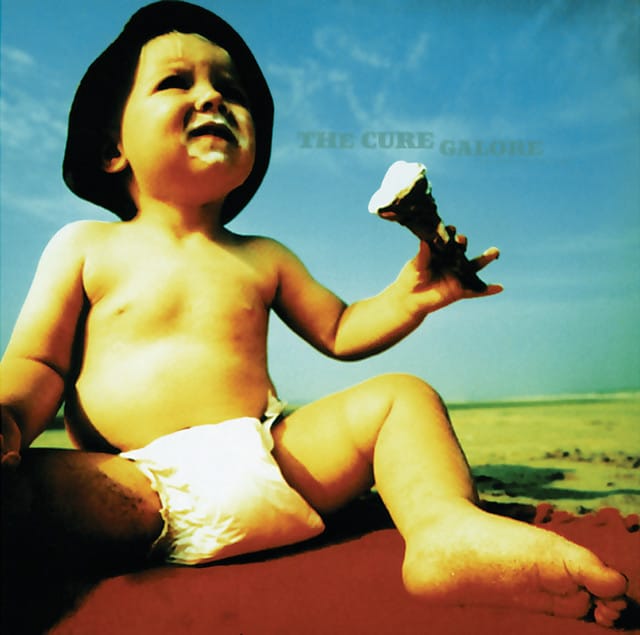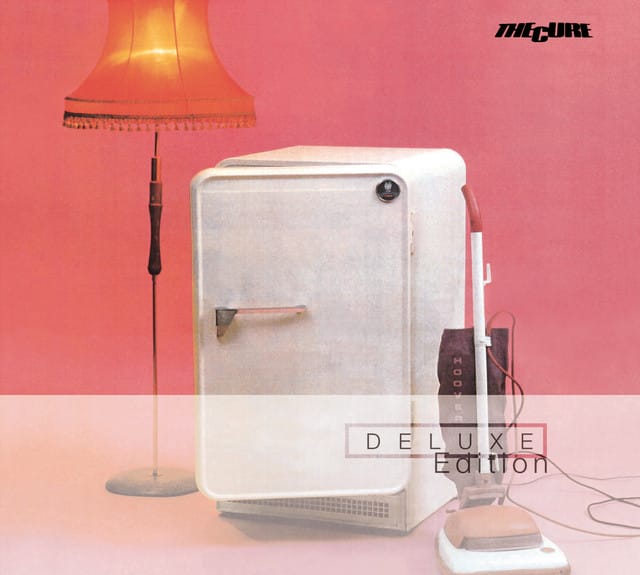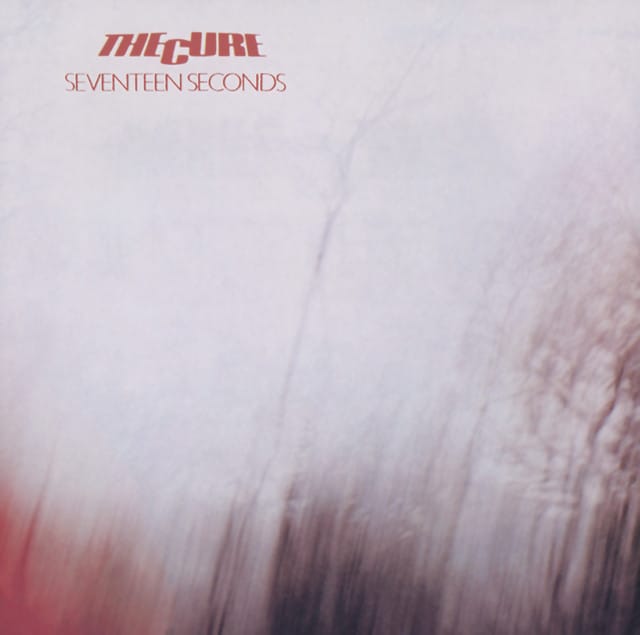
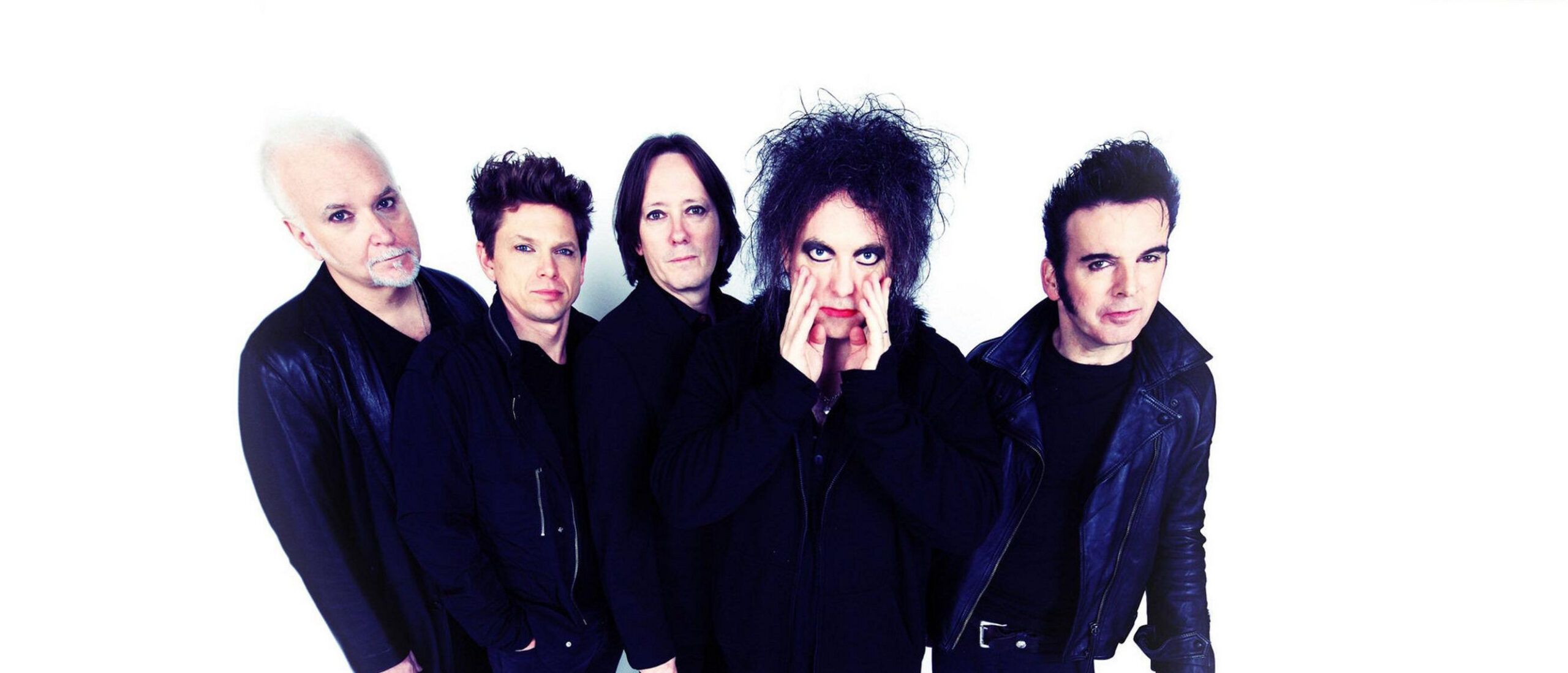
The Cure formed in Crawley, West Sussex, England in 1976, originally under the name Easy Cure before shortening it a year later. Fronted by Robert Smith, whose trembling baritone and unmistakable smeared-lip look became as central to the band’s identity as their music, The Cure evolved from post-punk beginnings into one of the most singular and long-lived acts to emerge from the UK late‑70s scene. Their early records captured the bleak, angular energy of that era, but even within those first years there was an appetite for moodier textures and melodic sweep that would define their best work.
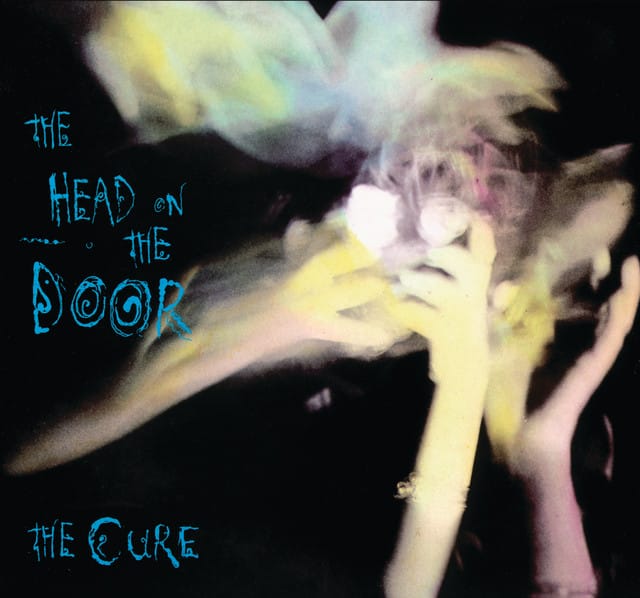
Musically, The Cure absorbed a wide palette: the goth-tinged minimalism of Siouxsie and the Banshees (with whom Smith briefly played), the literate melancholy of Joy Division, and pop sensibilities that owed something to David Bowie’s shape-shifting and to the jangly clarity of earlier British guitar bands. Yet they also drew from unexpected sources — the Beatles’ melodic craft, danceable rhythms from funk and disco on albums like The Head on the Door, and an affection for synth textures that kept their sound contemporary. Robert Smith’s voracious listening and taste for juxtaposing darkness with pop made The Cure sound unpredictable: a single could be heartbreakingly spare and then the next record, bright and hooky.
The Cure’s influence spread widely. They are routinely cited by alternative and indie acts — Radiohead’s Thom Yorke has spoken about admiring their emotional directness, Interpol’s early sound echoes Cure’s baritone-driven gloom, and countless goth, emo and indie bands trace stylistic lineage to the band’s ability to fuse bleakness with melody. Their approach to dynamics and atmosphere influenced how later groups thought about texture and pacing: building long stretches of mood before resolving into a chorus, and making emotional candour into an aesthetic.
Famous anecdotes cluster around Robert Smith’s persona and the band’s stage life. One oft-told story: during a performance on the BBC’s Top of the Pops in 1979, a nervous Smith refused to mime and instead made a deliberate, over-the-top puppetlike movement — an early example of the theatrical self-presentation that would later become iconic. Another enduring tale concerns the making of Disintegration (1989): the album’s dense, elegiac soundscapes were reportedly driven in part by Smith’s desire to make an anti-pop statement after commercial success, and the sessions nearly broke the band emotionally, yet produced what many critics and fans consider their masterpiece. There are also lighter myths — Smith’s famously evolving hairstyle and smeared lipstick became so emblematic that fans and journalists routinely note how his image was as communicative as his lyrics.
Across a career that spans punk, gothic, pop and chambered melancholy, The Cure remained singular because they refused to be pigeonholed. They could headline stadiums with singalong anthems like “Friday I’m in Love,” and return to baroque, introspective pieces that sound like confessions. That duality — popcraft married to an unflinching exploration of loss and longing — is why new generations keep discovering them, and why their catalogue continues to be mined by artists seeking emotional directness without surrendering musical sophistication.