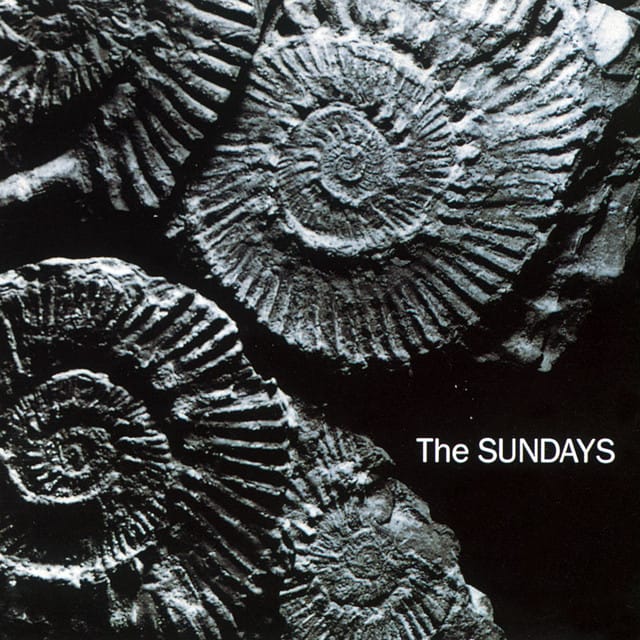

The Sundays, hailing from London, England, carved out a distinctive niche in the late 1980s and early 1990s indie scene with their ethereal sound and introspective lyricism. Fronted by Harriet Wheeler’s unmistakably crystalline vocals and David Gavurin’s jangly, melodic guitar work, the band managed to blend elements of dream pop and alternative rock with a subtle touch of folk sensibility. Their debut album, Reading, Writing and Arithmetic (1990), remains a landmark release, not just for its melodic richness but for its understated emotional depth, which set them apart from many of their contemporaries.
Influences on The Sundays are often traced back to a blend of 1960s folk-rock and post-punk, with clear nods to The Byrds’ chiming guitars and the introspective moodiness of The Smiths. Wheeler’s vocal style has been compared to Nico and Kate Bush, although it carries a unique fragility that became a defining feature of the band’s sound. The Sundays’ music also channels the literary and poetic influences of their songwriting, which often delves into themes of love, loss, and existential reflection—elements that resonated deeply with the alternative crowd of the early ’90s.
One of the more famous anecdotes about The Sundays involves their unexpected rise to prominence in the United States, particularly through the college radio circuit. Their single “Here’s Where the Story Ends” became a sleeper hit, eventually earning a spot on the soundtrack of the 1992 film Reality Bites, which helped cement their status in American indie circles. Despite their critical acclaim and devoted fanbase, the band maintained a relatively low profile, releasing only three studio albums over more than a decade, which added to their enigmatic aura.
The Sundays’ impact on other musicians is subtle but significant. Bands like The Cranberries and Mazzy Star have cited the band’s blend of dreamy melodies and poignant lyrics as an influence on their own approach to alternative rock and dream pop. The Sundays’ ability to marry melancholic themes with accessible melodies created a blueprint for many indie bands that followed, particularly female-fronted groups looking to combine strength and vulnerability in their music.
Despite their relatively sparse discography, The Sundays have left a lasting legacy that continues to be rediscovered by new generations of listeners. Their music, marked by Wheeler’s haunting voice and Gavurin’s intricate guitar work, offers a timeless quality that transcends the era in which it was made. The band’s refusal to chase commercial trends or overexpose themselves has only solidified their status as cult favourites, a testament to the enduring power of sincerity and artistry in music.