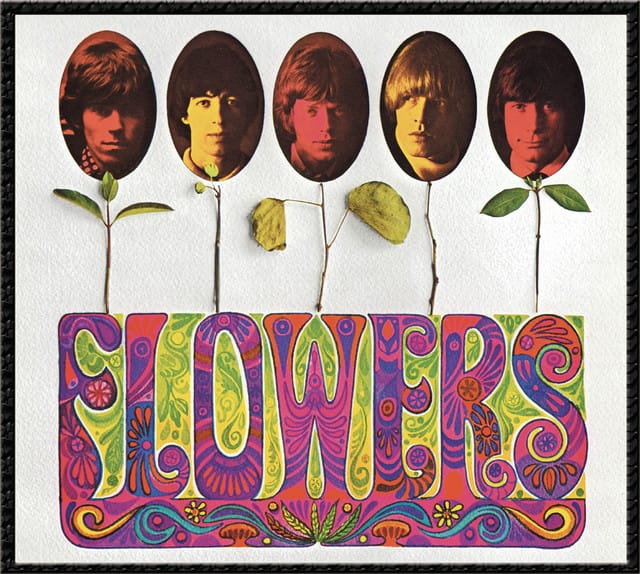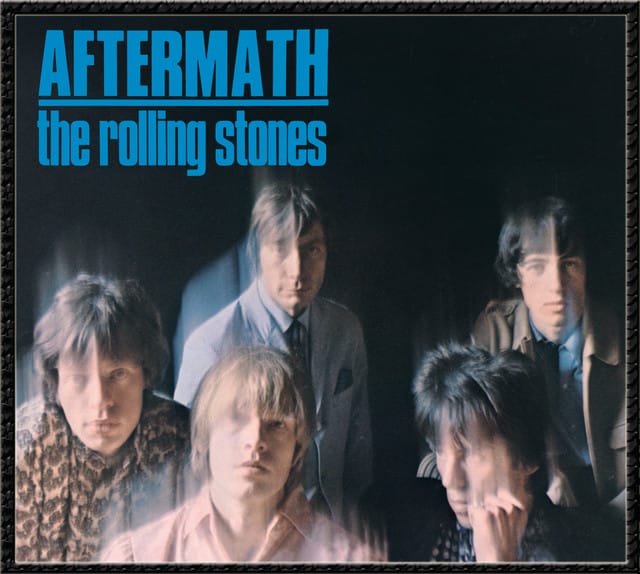

The Rolling Stones came out of London in the early 1960s with a weathered, urban posture that set them apart from the Merseybeat sheen of their contemporaries. Mick Jagger and Keith Richards — childhood friends who reconnected over a shared record collection — recruited Brian Jones, Bill Wyman and Charlie Watts to form a group that wore working-class affect like a badge rather than a marketing angle. Their early live sets and residencies in small clubs and clubs’ after-hours rooms cultivated a reputation for looseness and danger; this was a band that sounded as if they had been dug up from the backstreets of the American South and transplanted onto British terraces. The Stones’ identity was always as much visual and social as it was musical: swagger, sleaze, and a refusal to smooth the edges that made them a perfect foil to the tidy pop exporting machine of the British establishment.
Their musical DNA is unavoidably indebted to American blues, R&B and early rock’n’roll — Muddy Waters, Howlin’ Wolf, Robert Johnson, Chuck Berry and Little Walter are names you’ll find in the margins of virtually every Stones biography. But that debt was not mere mimicry: the band absorbed those forms and refracted them through a distinctly British sensibility, using slide guitar, harmonica and Jagger’s sneering phrasing to produce something rawer and more elastic. As their catalogue matured, country, soul and even gospel textures crept into records like Beggars Banquet and Let It Bleed, while albums such as Exile on Main St. remixed those influences into a swampy, decadent American mythscape — a record that sounds like the consequences of cultural appropriation and deep admiration crashing into one another.
The Stones’ cultural imprint is vast; they taught generations of rock bands how to be both irreverent and commercially unstoppable. Punk bands of the late 1970s admired their sleaze and street credibility even when they rejected the Stones’ technical musicianship, while arena rock and hard rock acts took cues from their monumentally confident stagecraft. Artists from the Faces and The Who to contemporary acts like Oasis and Arctic Monkeys have cited the Stones’ swagger, songwriting economy and catalog-building approach as vital influences; the band’s longevity itself has become a template for how to sustain myth without becoming a parody. You can trace riffs, vocal inflections and even fashion choices through several generations of British and American guitar bands back to those early Stones performances on small London stages.
Famous anecdotes about the group thread together the myth and the mess. Brian Jones’ descent — found dead in his swimming pool in 1969 amid stinging rumours about the life he could not sustain — is a tragic origin story for the band’s darker, more introspective turn. The Altamont Free Concert in 1969, organised as a kind of working-class answer to Woodstock, culminated in violence and a homicide at the stage; it remains a grim counterpoint to rock’s utopian narratives and forced the Stones to confront the limits of spectacle. Then there’s their notorious tax exile years in the early 1970s: decamping to southern France to record Exile on Main St., living in villas and grappling with the logistical fallout of dodging Britain’s taxman — an episode that mixed romanticism, filth and privilege into one of rock’s great origin myths.
Politically and culturally, the Stones have always been a complicated presence for left-leaning observers: their music champions working-class grit but their lifestyles and business decisions often underscore the inequalities of the music industry. They have been spectacularly apolitical at times, focusing instead on personal excess, but their work has also provided a soundtrack to social rebellion and sexual liberation. In recent decades, as they have aged into elder statesmen of rock, debates about legacy over authenticity continue to follow them — are they survivors who bent the music industry to their will, or a band whose contradictions reflect the uncomfortable intersections of art, commerce and class? Either way, their catalogue still carries the capacity to unsettle and thrill in equal measure, and their role in shaping modern rock culture remains indisputable.