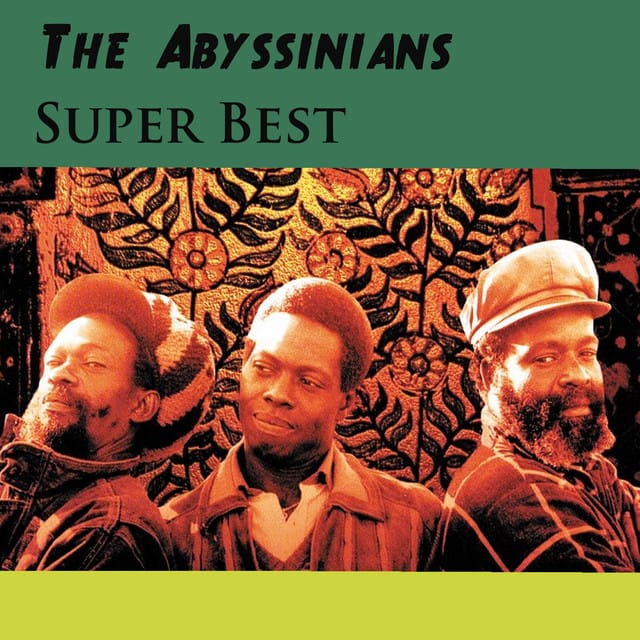
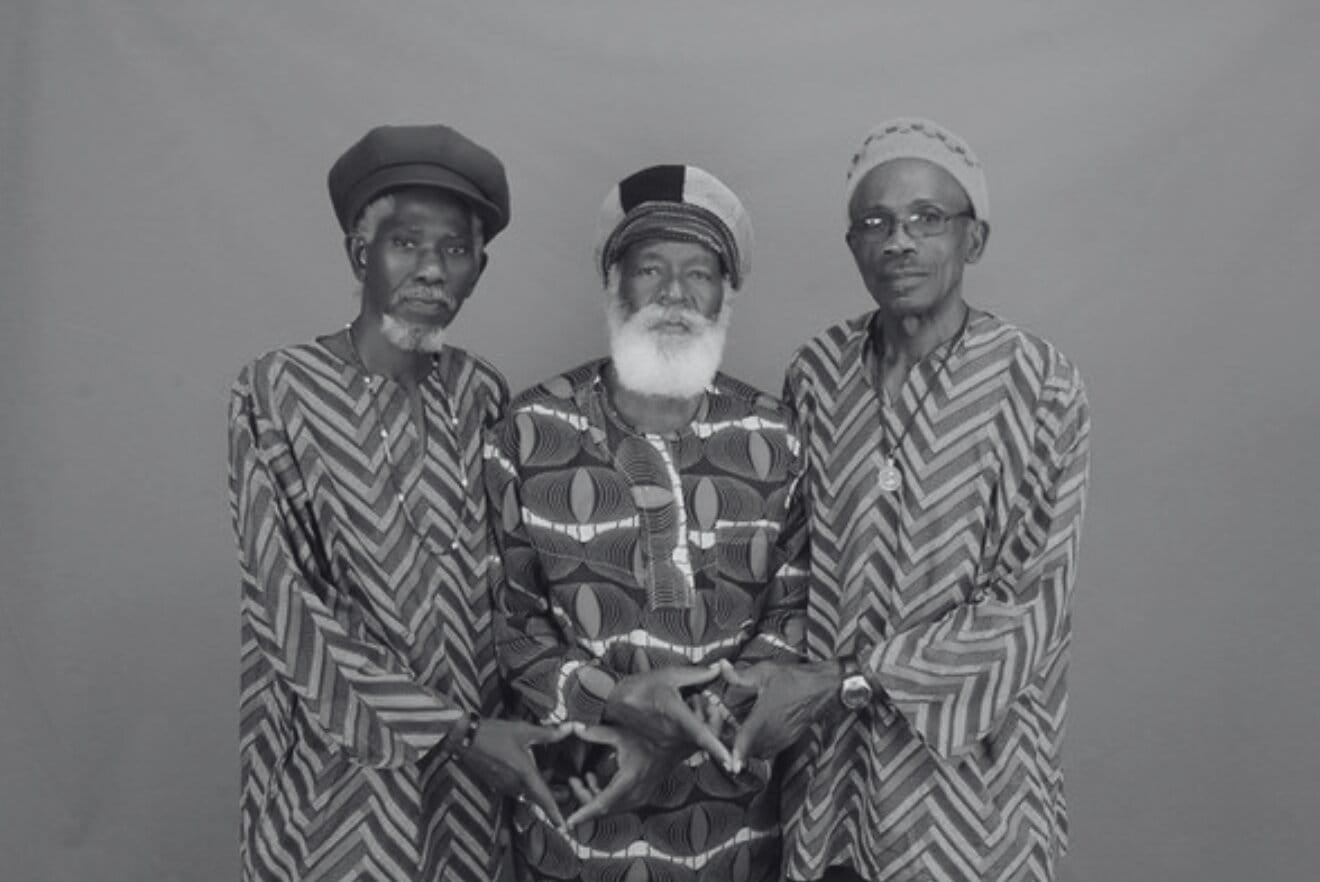
The Abyssinians, hailing from Jamaica, are one of the most influential roots reggae groups to emerge in the late 1960s and early 1970s. Known for their rich harmonies and deeply spiritual lyrics, the trio—Bernard Collins, Donald Manning, and Lynford Manning—crafted a sound that was both soulful and deeply rooted in Rastafarian beliefs. Their music often reflects themes of African heritage, spirituality, and social consciousness, which resonated strongly during a period of political and cultural change in Jamaica.
Their landmark track, “Satta Massagana,” is often cited as one of the most important songs in reggae history. The song, recorded in 1969, is sung primarily in Amharic, the ancient Ethiopian language, and it became an anthem for the Rastafarian movement. The Abyssinians’ use of Amharic and their focus on Ethiopian themes helped popularise the connection between reggae music and Rastafarian culture, influencing countless artists within the genre.
The Abyssinians drew inspiration from earlier Jamaican artists like The Wailers and The Heptones, while also incorporating traditional African rhythms and melodies into their sound. Their influence has extended far beyond Jamaica, with bands such as Steel Pulse and Culture acknowledging the Abyssinians as a major inspiration for their own roots reggae music. The spiritual depth and musical craftsmanship of the Abyssinians have made them a touchstone for generations of reggae musicians.
One famous anecdote about the band involves the initial reluctance of record labels to release “Satta Massagana” due to its use of Amharic, which was considered risky and unconventional at the time. However, once the song hit the airwaves, it quickly gained a cult following and became a staple in sound system culture. This success helped cement the Abyssinians’ reputation as pioneers who were unafraid to push boundaries in reggae music.
Despite periods of inactivity and lineup changes over the decades, the Abyssinians have maintained a loyal following and continue to perform and record. Their enduring legacy lies not only in their timeless songs but also in their role in shaping the spiritual and cultural identity of roots reggae, making them a band that transcends generations and borders.