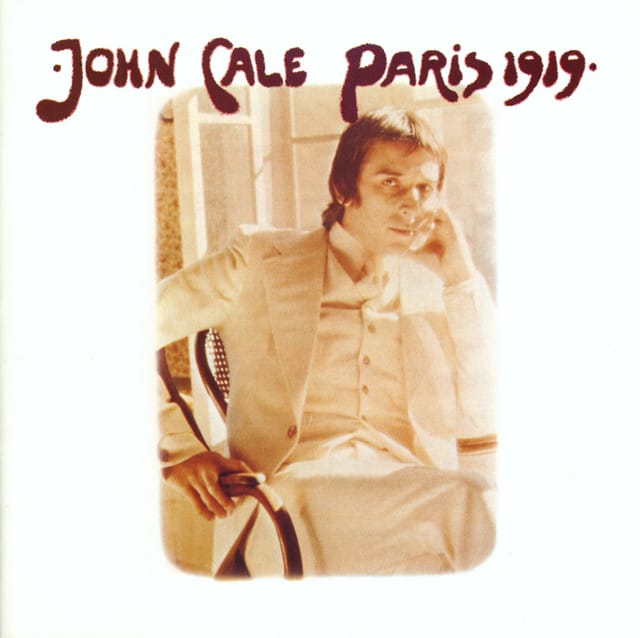

John Cale and Brian Eno, two towering figures in the world of experimental and avant-garde music, represent a collaboration that bridges the raw, gritty edge of rock with the ethereal textures of ambient soundscapes. John Cale, originally from Wales, first made his mark as a founding member of The Velvet Underground, where his classical training and avant-garde sensibilities helped to shape the band’s groundbreaking sound. Brian Eno, hailing from England, carved a unique niche as a pioneer of ambient music and a visionary producer, working with artists like David Bowie and Talking Heads. Their collaboration is a meeting of minds that transcends conventional genre boundaries, blending Cale’s intense, often dark musicality with Eno’s atmospheric and innovative production techniques.
The duo’s work together is steeped in a rich tapestry of influences, from the minimalist compositions of La Monte Young and the experimental rock of The Velvet Underground to the electronic explorations of Kraftwerk. Both Cale and Eno have expressed admiration for the sonic possibilities found in the avant-garde and the avant-garde’s ability to challenge traditional song structures. This shared appreciation for pushing musical limits is evident in their joint projects, where the lines between rock, classical, and ambient music blur into something uniquely compelling. Their sound is a dialogue between the structural and the abstract, reflecting their deep understanding of and respect for the experimental music tradition.
Their influence extends far beyond their own recordings. Numerous artists and bands across genres cite Cale and Eno as pivotal influences. For instance, the post-punk and alternative scenes owe much to Cale’s work with The Velvet Underground and his solo career, while Eno’s ambient innovations have informed generations of electronic musicians and producers. Bands like Radiohead and U2 have openly acknowledged the impact of Eno’s production work and aesthetic philosophy, with Cale’s fearless approach to composition also resonating with many contemporary artists who seek to blend genres and experiment with sound. This cross-pollination of ideas underscores the duo’s importance not just as individual artists but as cultural touchstones in modern music.
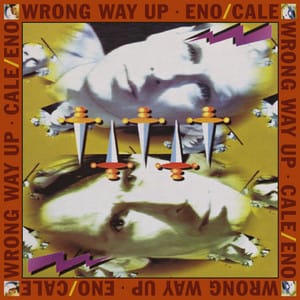
One famous anecdote that captures the spirit of their collaboration involves their work on the 1990 album Wrong Way Up. During the recording sessions, Eno and Cale reportedly embraced a playful yet meticulous approach, often swapping roles and instruments, blurring the lines of traditional band dynamics. This fluidity allowed them to create a sound that was both polished and spontaneous, reflecting their mutual respect and willingness to explore new creative territories. The album stands as a testament to their ability to merge their distinct styles into a cohesive artistic statement, balancing accessibility with experimentation.
In sum, John Cale and Brian Eno represent a rare artistic partnership where two visionary musicians from the UK come together to challenge and redefine the boundaries of contemporary music. Their work is a testament to the power of collaboration between two artists who are unafraid to explore the unknown, drawing from a deep well of influences while leaving an indelible mark on the generations that follow. Whether through their individual legacies or their joint projects, Cale and Eno continue to inspire musicians and listeners alike to rethink what music can be.