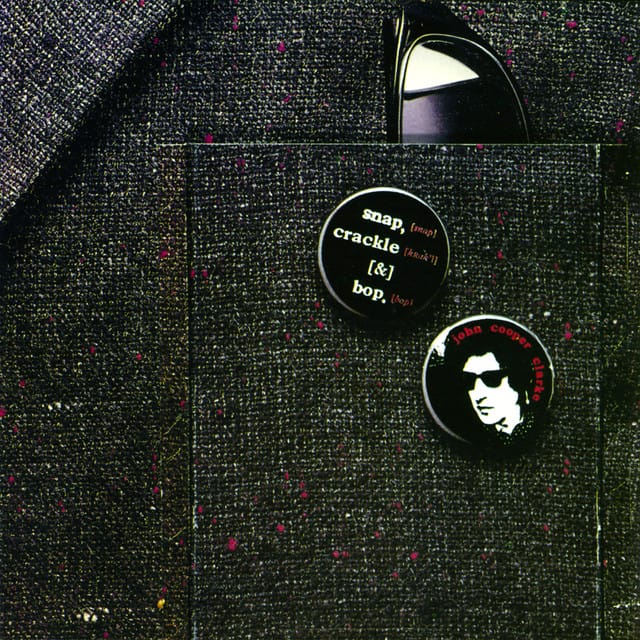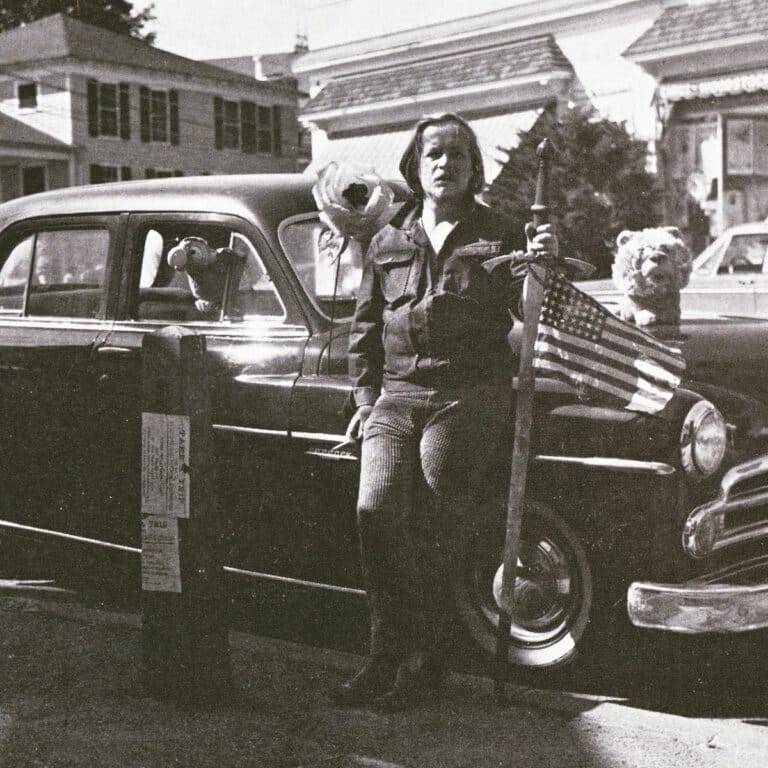
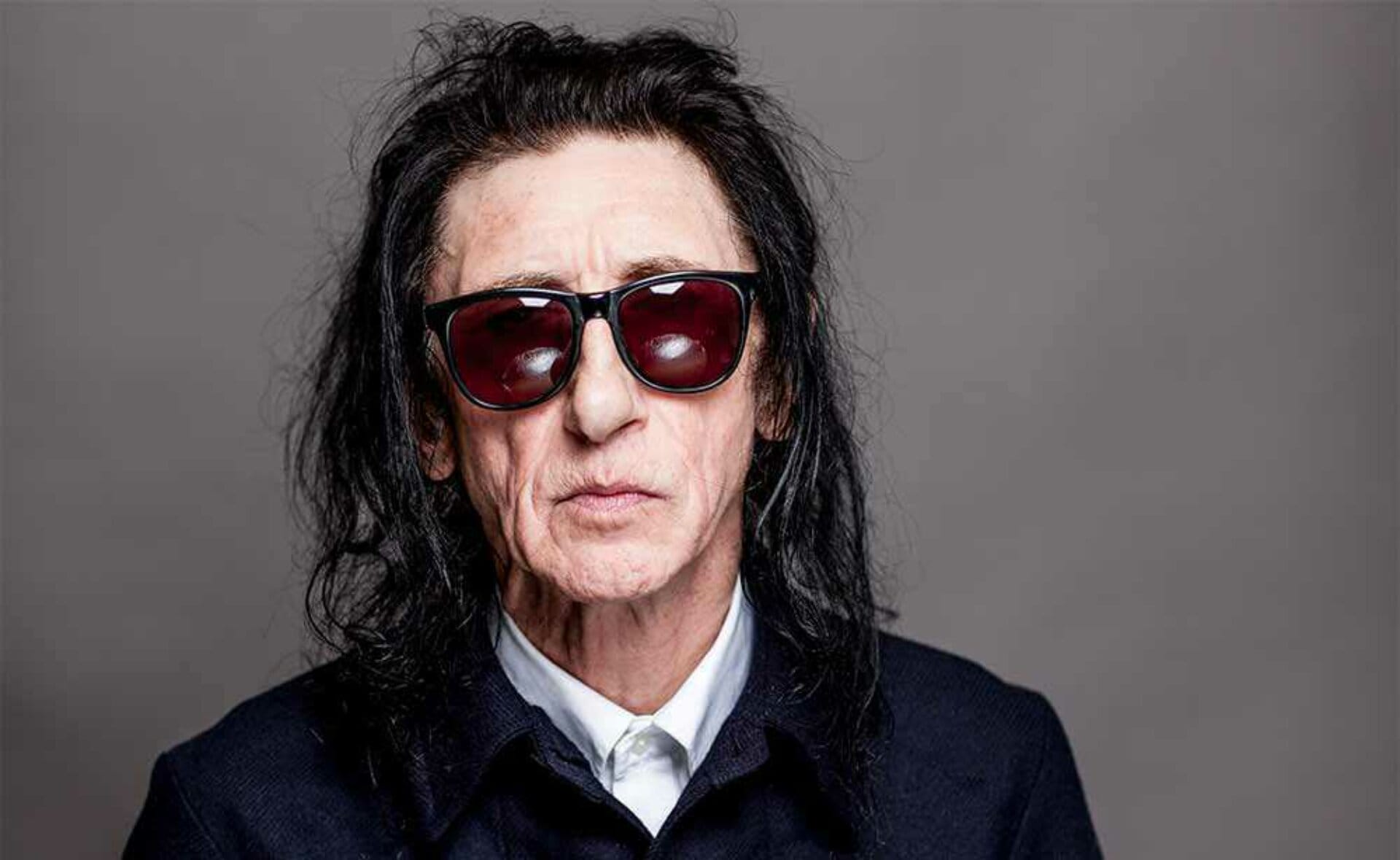
John Cooper Clarke, often hailed as the “punk poet,” emerged from the gritty industrial backdrop of Salford, England, in the late 1970s. Unlike traditional musicians, Clarke carved a unique niche by blending rapid-fire spoken word with the raw energy and attitude of punk rock. His performances were more akin to a high-octane poetry slam set to a minimalist punk soundtrack, a style that set him apart from his contemporaries. His sharp wit and biting social commentary made him a defining voice of the post-punk era, capturing the frustrations and absurdities of working-class life with a linguistic dexterity that few could match.
Clarke’s influences are a fascinating mix, ranging from the Beat poets like Allen Ginsberg and Linton Kwesi Johnson to punk icons such as The Sex Pistols and The Clash. This blend of literary and musical inspiration gave his work a distinctive edge, combining the rhythmic cadence of poetry with the anarchic spirit of punk. His ability to articulate the zeitgeist of the late 70s and early 80s Britain through verse attracted a cult following, with his poems often performed over minimalist backing tracks, most notably with the band The Invisible Girls, featuring Martin Hannett and members of Joy Division and The Durutti Column.
Many bands and artists have acknowledged Clarke’s influence, particularly in the realms of punk, post-punk, and alternative music. The Arctic Monkeys, for instance, have cited him as an inspiration for their lyrical style and storytelling approach. His impact is also evident in the spoken word scenes and among artists who blur the lines between poetry and music. Clarke’s ability to convey complex social commentary with humour and sharpness paved the way for future generations of lyricists and performers who see poetry as a vital component of musical expression.
One of the most famous anecdotes about Clarke involves his rapid rise to prominence in the punk scene, where his performances would often steal the spotlight from the bands themselves. At one legendary gig supporting The Sex Pistols, Clarke’s witty and acerbic delivery won over audiences who initially came for the music. His poem “Evidently Chickentown,” with its relentless rhythm and bleak depiction of urban decay, became an anthem of disaffected youth and was later famously used in the film “Control,” about Joy Division’s Ian Curtis, further cementing Clarke’s cultural significance.
Despite his sometimes confrontational style, Clarke’s work carries a deep empathy for the struggles of ordinary people, expressed through a sharp, often humorous lens. His longevity in the music and poetry world is a testament to his unique voice and the timelessness of his themes. Still active today, John Cooper Clarke remains a vital figure, bridging the worlds of punk music and poetry with a wit and insight that continues to resonate in contemporary culture.