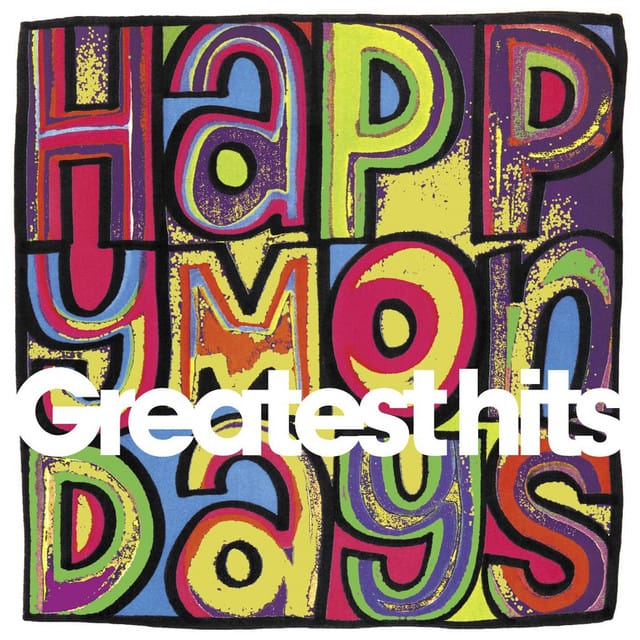

Happy Mondays, hailing from Salford, Greater Manchester, stand as one of the pivotal bands in the Madchester scene of the late 1980s and early 1990s. Their sound was a heady fusion of alternative rock, acid house, and funk, which perfectly captured the zeitgeist of a city in the throes of rave culture and post-industrial reinvention. Unlike many of their contemporaries, Happy Mondays managed to blend the rawness of indie rock with dance rhythms, creating a groove-laden, euphoric atmosphere that was both chaotic and deeply infectious.
The band’s influences are as eclectic as their sound. They drew inspiration from the Rolling Stones’ swagger, the funk of Parliament-Funkadelic, and the psychedelic explorations of The Velvet Underground. This melting pot of styles was filtered through the prism of the burgeoning Manchester club scene, where DJs like Paul Oakenfold and the Hacienda’s resident DJs were spinning house and acid tracks that would seep into the Mondays’ music. Shaun Ryder’s lyrics, often surreal and fragmented, reflected the drug-fuelled, hedonistic lifestyle that surrounded them, making their work a raw document of their time and place.
One of the most famous anecdotes about Happy Mondays involves their chaotic relationship with the Hacienda nightclub, the epicentre of the Madchester movement. The band’s live shows were legendary for their unpredictable energy, often descending into near-riotous scenes. Their 1990 album, Pills ‘n’ Thrills and Bellyaches, produced by Paul Oakenfold and Steve Osborne, is widely regarded as a high point of the era, featuring tracks like “Step On” and “Kinky Afro” that still resonate as anthems of British indie dance music.
Happy Mondays’ influence has been acknowledged by a diverse array of artists. Bands such as Oasis and The Stone Roses, who also emerged from Manchester’s fertile music scene, have cited the Mondays as an inspiration for their fusion of rock and dance elements. More recently, artists within the electronic and alternative scenes have recognised the band’s pioneering role in breaking down genre barriers. Their sound helped pave the way for the big beat and electronic rock movements of the late 1990s and early 2000s.
Despite their tumultuous history, marked by drug problems and lineup changes, Happy Mondays remain a symbol of a unique cultural moment where rave culture and rock music collided. Their legacy is not just in their recordings but in the spirit they embodied—one of reckless abandon, creative freedom, and the joyous collision of disparate musical worlds. Even decades on, the band’s music continues to inspire a sense of liberation and communal celebration, maintaining their status as icons of British music history.