
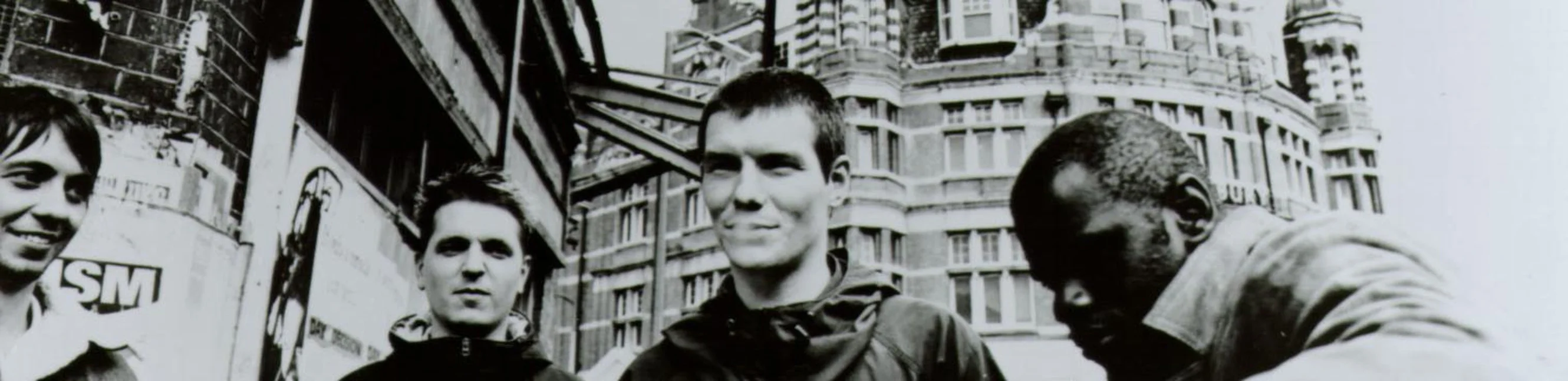
Audioweb, hailing from Manchester, England, carved a unique niche in the 1990s British music scene with their eclectic blend of alternative rock, reggae, and soul. Formed in 1991, the band’s sound was a vibrant reflection of the city’s rich musical heritage, drawing from the post-punk energy of bands like The Smiths and the rhythmic pulse of reggae legends such as Bob Marley. This fusion created a sonic identity that was both danceable and introspective, setting Audioweb apart from many of their contemporaries.
Anecdotally, Audioweb’s rise was marked by their close ties with the Manchester music community, sharing stages and friendships with bands like The Stone Roses and Happy Mondays. Their 1996 album Fireworks City is often cited as a cult classic, showcasing their ability to merge socially conscious lyrics with infectious grooves. Critics at the time praised the band for their refusal to be pigeonholed, with lead singer Martin Merchant’s distinctive voice adding a raw, emotional edge to their sound.
Influences on Audioweb’s music are notably broad, spanning from the dub and reggae traditions of Lee “Scratch” Perry to the psychedelic rock explorations of The Beatles. This diverse palette allowed them to experiment with genre boundaries, a quality that has been acknowledged by later bands in the indie and alternative scenes. While not always in the mainstream spotlight, Audioweb’s impact can be traced in the work of artists who blend genres and embrace a similarly eclectic ethos.
Interestingly, members of the band have spoken in interviews about their admiration for the political and social messaging in the music of Public Enemy and The Clash, which informed some of their more pointed lyrics. This blend of musicality and message gave their work a depth that resonated with fans looking for more than just catchy tunes. Their live performances were known for their energy and connection with audiences, often turning gigs into communal experiences.
Though Audioweb never achieved massive commercial success, their influence lingers, particularly within the Manchester music scene and among musicians who appreciate genre fusion. They remain a respected name for those who understand the subtle ways in which they pushed musical boundaries and challenged expectations. Their story is a reminder that impact isn’t always measured in chart positions but in the lasting impression left on peers and devoted fans alike.