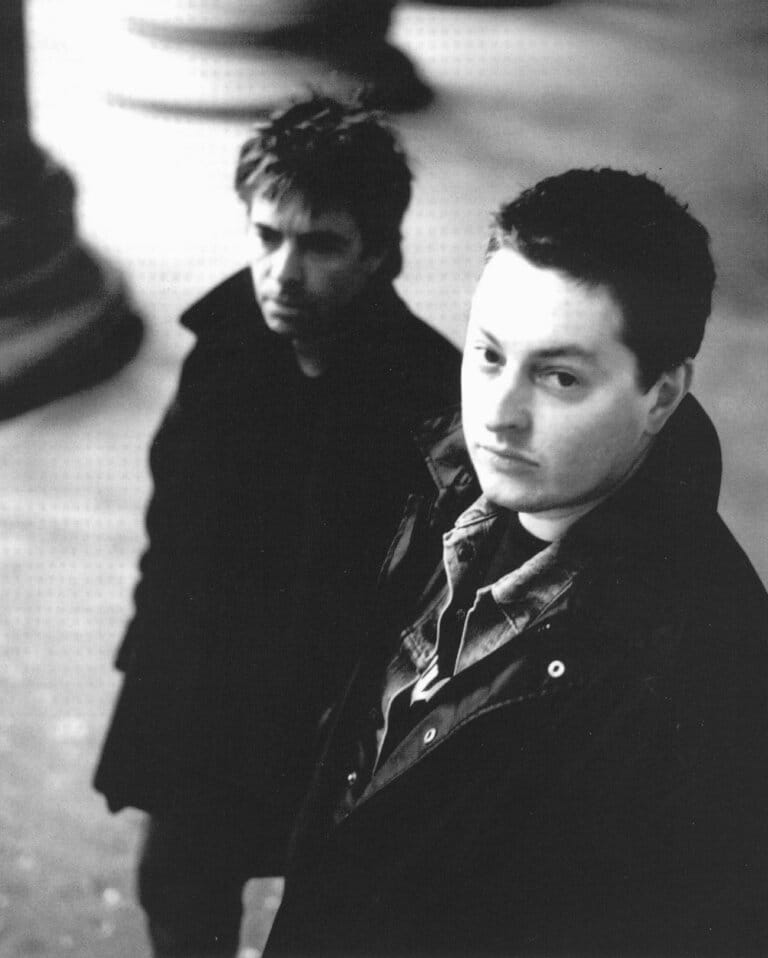
The Waterboys are a band formed in 1983 in London by Scottish musician Mike Scott; from the start they refused to be pinned to one scene, shifting between big‑guitar “Big Music”, Celtic folk revivalism and intimate singer‑songwriter work over four decades. Mike Scott’s restless aesthetic meant the group was often less a fixed line‑up than a vehicle for his songwriting and sonic experiments — early collaborators like Anthony Thistlethwaite (saxophone, mandolin) and Karl Wallinger helped shape the band’s sound, while an almost revolving cast of players across the 1980s and 1990s allowed Scott to pursue very different projects under the same name. Despite that fluidity, the Waterboys retained a recognisable identity: anthemic choruses, ragged‑hewn rhythms and a lyrical love of landscape and spiritual yearning that tied their disparate phases together.
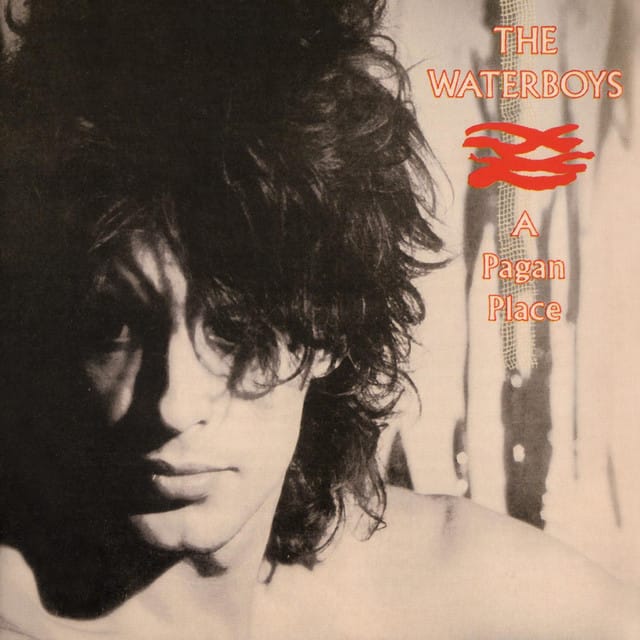
Their origins in London and Scott’s Scottish roots are essential to understanding their music. The band’s early records — including the eponymous 1983 debut and 1985’s A Pagan Place — are coloured by post‑punk and art‑rock ambitions filtered through the spacious production that became known as the “Big Music”: huge drums, swelling guitars and saxophone lines that give tracks like “A Girl Called Johnny” and “The Big Music” a cathedral‑like sweep. By the late 1980s, Scott’s move to Dublin and later to the west coast of Ireland deeply shifted the band’s palette; Fisherman’s Blues (1988) and Room to Roam (1990) absorb Irish traditional forms, acoustic textures and more direct storytelling, signalling a sincere turn towards folk that still carried the band’s dramatic intensity.
Influences on the Waterboys are wide but specific: gospel and soul inform the emotional directness and occasional organ swells; the pastoral and bardic strands of folk — both English and Irish — feed Scott’s lyrical preoccupations; and rock figures from Van Morrison to The Who can be heard in the band’s vocal phrasing and use of dynamics. Scott has repeatedly acknowledged the spiritual and musical influence of Van Morrison (particularly Morrison’s Celtic soul and improvisatory tendencies) while the band’s early maximalism nods to the stadium ambitions of 1980s rock. In turn, the Waterboys have been cited by a number of later artists who admire that bridging of rock and folk — acts in the British and Irish indie‑folk scenes, and solo singer‑songwriters who favour big arrangements and literate lyrics, often point to Fisherman’s Blues as formative.
There are a few famous anecdotes that capture the band’s volatile creativity: the chaotic sessions that produced Fisherman’s Blues are now part of Waterboys lore — recorded in a sequence of jams, pub sessions and formal studio takes in Dublin, they gave the record a spontaneous, community‑driven feel that contrasted with the meticulous production of their earlier work. Another oft‑told story concerns Karl Wallinger, who left the band in 1985 to form World Party after clashing over musical direction; Wallinger went on to score hits in his own right, and that split underlines how the Waterboys functioned as a crucible for strong, divergent musical personalities. More recently, Mike Scott’s open embrace of pilgrimage and spiritual searching — he’s undertaken literal pilgrimages and often writes about sacred sites — has become central to the band’s mythos, giving their later work an almost devotional bent.
Across their career the Waterboys have been both influential and resistive to easy categorisation: critics and fans respect them for refusing neat reinvention while also maintaining a continuity of voice. Songs like “The Whole of the Moon” secured them mainstream recognition and remain touchstones on radio and compilation albums, yet the band has also been credited with helping to normalise the melding of rock’s grandeur with folk’s intimacy in the British Isles. That cross‑pollination — and Mike Scott’s uncompromisingly literate songwriting — is why contemporary artists who blend acoustic tradition with rock dynamics still point back to the Waterboys as a reference, even when the band themselves continue to surprise by shifting course.