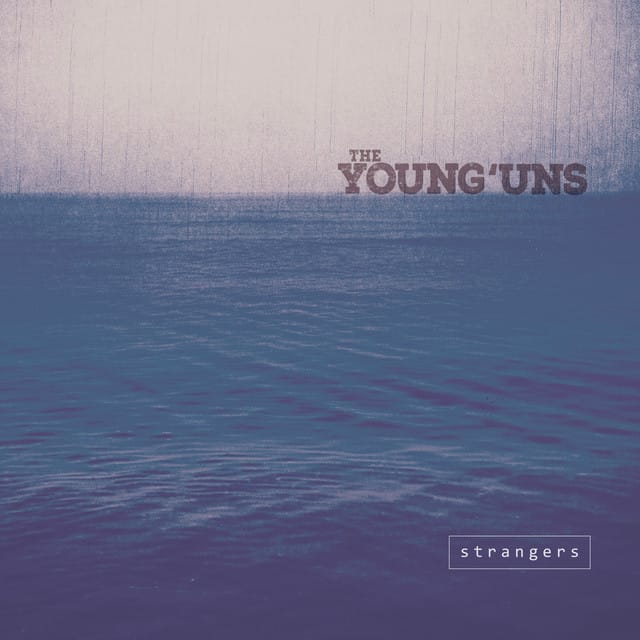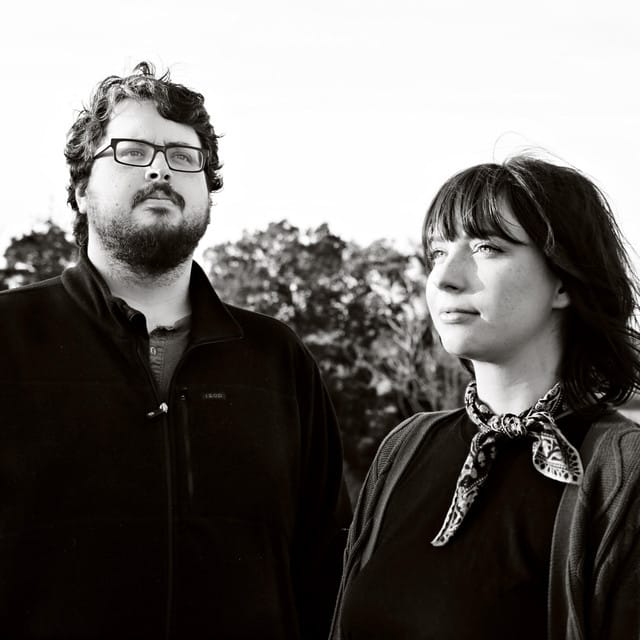

The Young’uns are a three-piece folk group from Stockton-on-Tees in Northeast England, formed in 2006. Their sound sits in the long British tradition of narrative folk — close three-part harmony over sparse acoustic instrumentation — but it bears the rough-edged character of their Teesside roots: working-class accents, direct phrasing and a storyteller’s impatience with artifice. They’re best known for songs that look outward and backward at social history and labour struggles, yet avoid dourness by finding wit, irony and human detail in every subject. Live, their voice-led arrangements create a kind of communal performance where the audience often becomes a fourth voice, joining choruses or responding to the anecdotes that precede songs.
Influences that surface in their work include classic English and Irish folk traditions — the storytelling drive of Ewan MacColl and the narrative sweep of Woody Guthrie — but they also draw from more local material: mining and shipbuilding ballads, colliery songs and the Geordie/Teesside singer-songwriting lineage. They’ve said in interviews that they admire the warbling, plainspoken clarity of British folk revivalists and the political ballast of American protest singers; that mix explains why their repertoire moves from tender laments to pointed, modern-day critiques. Their arrangements keep the instrumentation minimal — guitar, bodhrán, occasional accordion or double bass — so the words and harmonies stay front and centre.
Other contemporary UK acts have acknowledged The Young’uns’ influence, particularly newer folk ensembles and community choirs who’ve taken inspiration from the group’s focus on place and social history. Bands in the post-revival folk scene — especially those combining harmony-driven singing with explicitly local subject matter — frequently cite The Young’uns as a model for balancing accessibility and seriousness. Their approach to live performance, which treats gigs as a mixture of concert and communal storytelling session, has also been echoed by other grassroots folk collectives who aim to bring working-class narratives to festival stages and village halls alike.
A famous anecdote about the band involves their repeated success at the BBC Radio 2 Folk Awards: in 2014 they won Best Group after a run of critically praised albums and hard touring, which felt to many fans like overdue recognition for a group that had built its reputation outside industry gloss. Another memorable moment came from a show where they performed “You Won’t Find Me” — a song about the 1911 Transport Strike in Teesside — following a Q&A with local schoolchildren; the youngsters sang back a verse later, leaving the band visibly moved. Stories like that illustrate how their work often intersects with education and community memory-keeping as much as with the commercial folk circuit.
Beyond awards and anecdotes, The Young’uns have carved out a role as cultural archivists as much as performers: they research local history for song material, revive near-forgotten labour hymns, and commission new writing about the Northeast. That labour gives their albums and shows a documentary feel — each song is built from detail that resists cliché — and it’s why they enjoy a loyal audience who come for music but stay for the context and conversation.