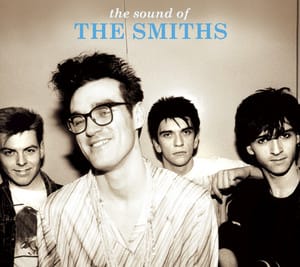

The Smiths, hailing from Manchester, England, emerged in the early 1980s as one of the most distinctive and influential bands in British indie music. Fronted by the enigmatic Morrissey and guitarist Johnny Marr, their sound was a unique blend of jangly guitars, melancholic lyrics, and Morrissey’s unmistakable croon. Unlike many of their contemporaries who leaned towards synth-heavy or post-punk sounds, The Smiths carved out a niche that was both retro and modern, drawing heavily from 1960s rock and punk, but filtered through a distinctly British lens of wit and social observation.
Johnny Marr’s guitar work was heavily influenced by the likes of The Beatles and The Kinks, yet he brought a shimmering, intricate style that set the band apart. Morrissey, meanwhile, drew lyrical inspiration from literary figures such as Oscar Wilde and Shelagh Delaney, as well as from the bleak realities of working-class English life. This fusion of highbrow literary references with everyday struggles gave The Smiths’ songs a depth that resonated deeply with their audience. One of the most famous anecdotes about the band involves Morrissey’s penchant for controversy and his sharp tongue; his public disputes, especially with the music press and later with Johnny Marr, added to the band’s mythos and sense of tragic brilliance.
The Smiths’ influence on subsequent generations of musicians is immense and well-documented. Bands like Radiohead, The Stone Roses, and Oasis have all cited The Smiths as a key inspiration, particularly in terms of songwriting and attitude. The Smiths’ ability to combine jangly pop melodies with introspective and often bleak lyrics opened the door for alternative rock bands in the 1990s and beyond to explore more nuanced emotional landscapes. Morrissey’s unique vocal style and persona have also been widely imitated, though rarely matched, making him a figure both revered and polarising in music history.
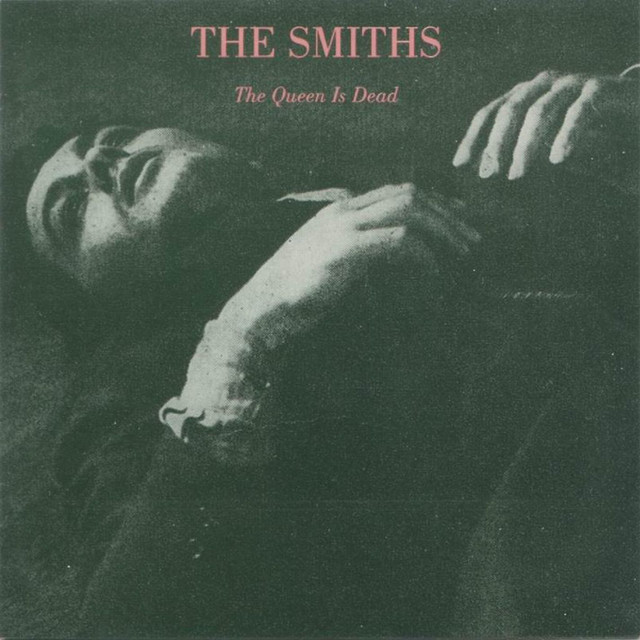
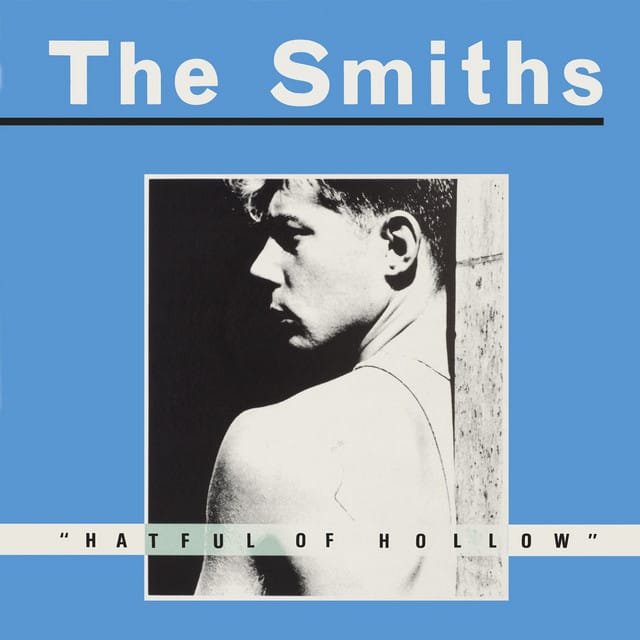
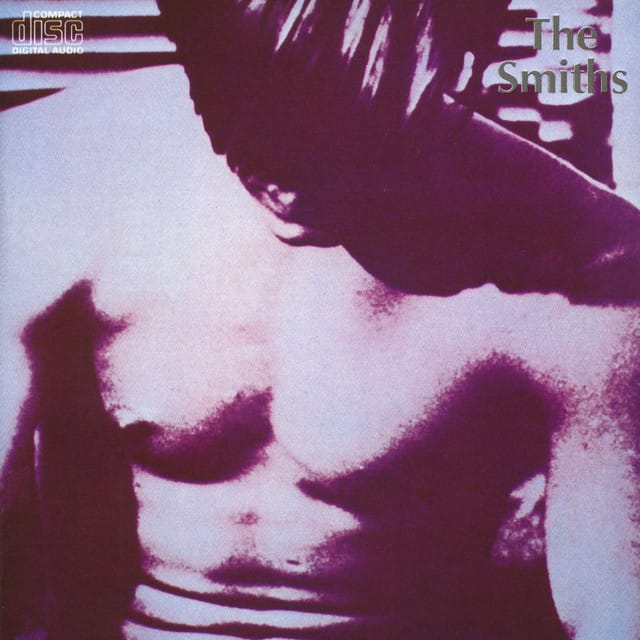
One of the more intriguing stories about The Smiths is their album cover choices, which often featured obscure or classic film stars and provocative imagery. The cover of their debut album, for instance, shows a cropped photo of the 1960s film star Joe Dallesandro, a nod to Morrissey’s fascination with underground cinema and pop culture. This attention to visual detail was part of the band’s broader aesthetic strategy, blending music, literature, and art to create a fully realised cultural statement rather than just a collection of songs.
Despite their relatively short career, The Smiths’ legacy is enduring. They never achieved massive commercial success in the United States during their active years, but their cult status only grew over time. Their breakup in 1987, largely due to tensions between Morrissey and Marr, left fans yearning for more, and the band’s music has since been continuously rediscovered by new generations. The Smiths remain a touchstone for anyone interested in the power of music to express complex emotions and social realities with both humour and heartbreak.