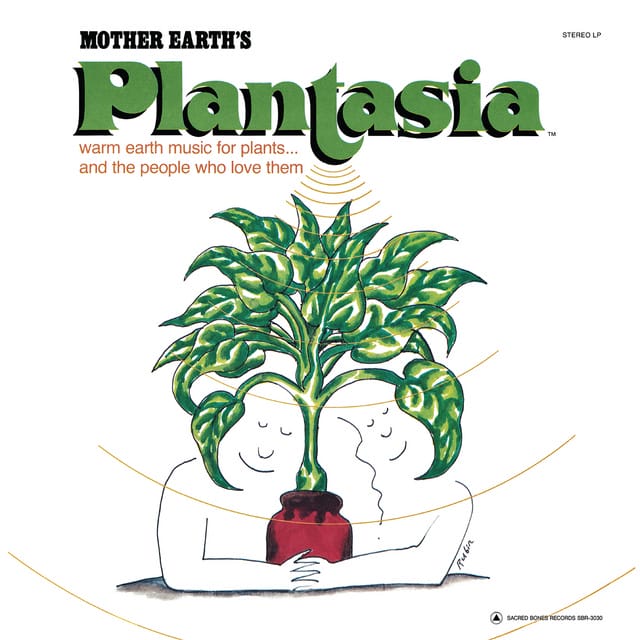
Mort Garson was a pioneering figure in electronic music, known primarily as a composer and synthesist rather than a traditional band. Born in Montreal, Canada, Garson’s work stands out for its early and innovative use of synthesizers at a time when electronic music was still in its infancy. He was one of the first musicians to harness the Moog synthesizer extensively, producing albums that blurred the lines between pop, classical, and experimental music. His 1976 album “Mother Earth’s Plantasia” is a cult classic, designed specifically to be music for plants, which has since gained a devoted following for its quirky concept and lush, melodic synthesizer textures.
Garson’s influences were deeply rooted in classical music, jazz, and the emerging electronic sounds of the 1960s and 70s. He was inspired by the avant-garde composers of the time but brought a more accessible and melodic sensibility to his work. His ability to blend the warmth of analog synths with structured compositions set him apart from many of his contemporaries. Interestingly, Garson also worked as an arranger and composer for pop artists like The Monkees and The Beach Boys, which gave him a unique perspective on integrating electronic sounds into mainstream music.
Despite his significant contributions, Garson remained somewhat under the radar during his lifetime, but his influence has been increasingly recognised by modern electronic and ambient musicians. Artists in the chillwave and synthwave genres often cite Garson’s pioneering work as foundational in shaping the textures and moods they aim to create. The resurgence of interest in vintage synthesizers and analogue recording techniques has also brought renewed attention to his catalogue, with “Plantasia” becoming a staple in the playlists of electronic music aficionados and even being sampled in contemporary tracks.
One famous anecdote about Mort Garson involves the creation of “Plantasia,” which was originally commissioned by a plant food company. Garson took the brief seriously, creating music that he believed would actually benefit plants’ growth, combining scientific curiosity with artistic experimentation. This concept album was largely overlooked upon release but has since become a symbol of the playful and exploratory spirit of early electronic music. The album’s cover art, featuring a smiling plant in a pot, has become iconic and is often referenced in discussions about the intersection of music and nature.
Mort Garson’s legacy is that of a quiet innovator whose work laid groundwork for electronic music’s evolution. Though he never achieved widespread fame, his albums remain treasured by collectors and musicians alike. His ability to fuse technology, nature, and melody continues to inspire new generations, proving that sometimes the most influential artists are those who work behind the scenes, pushing boundaries without the need for the spotlight.