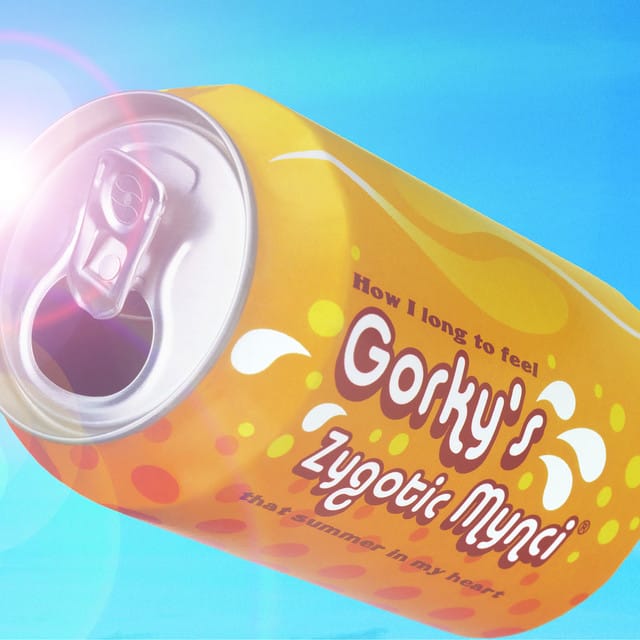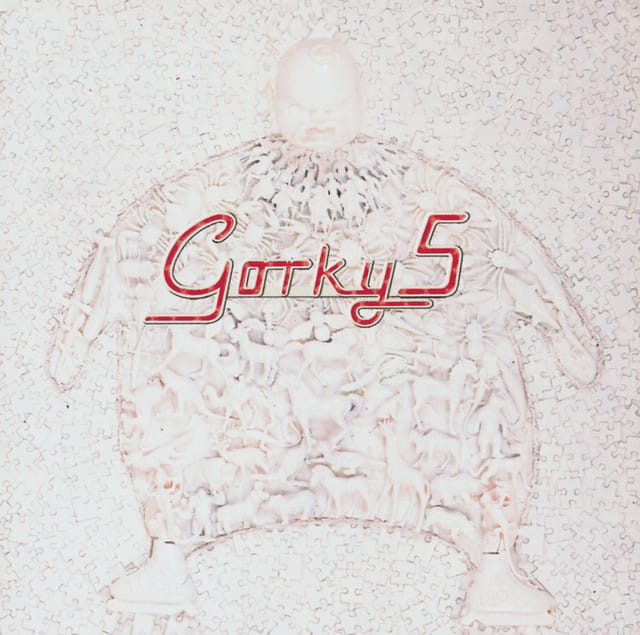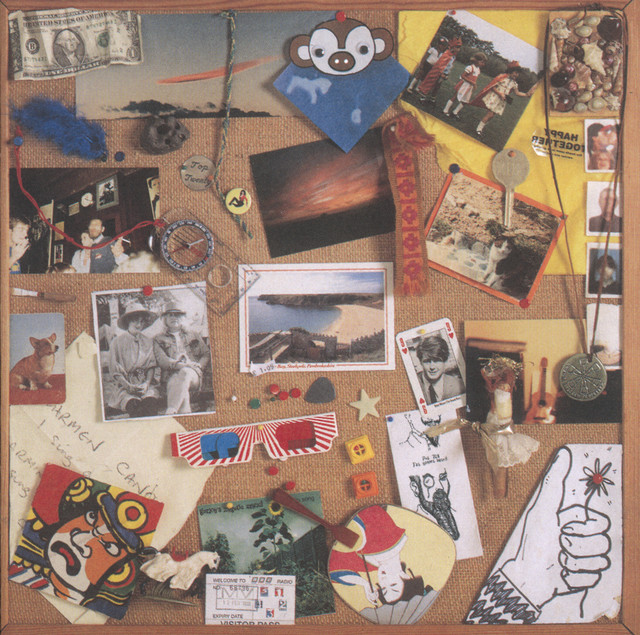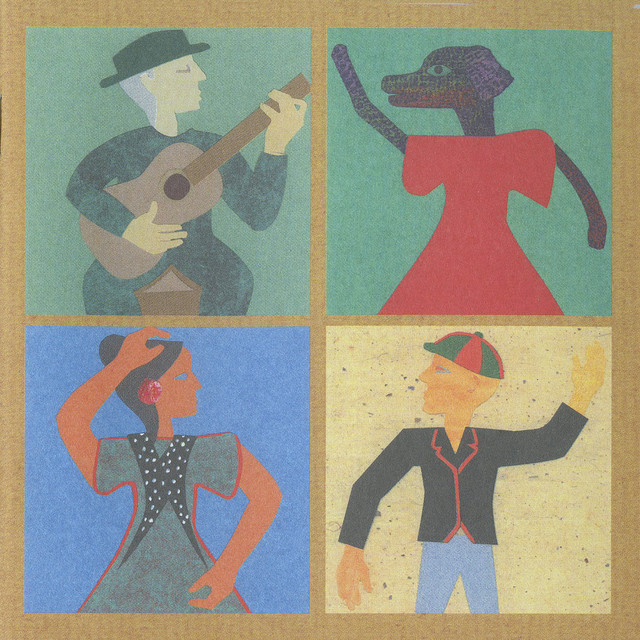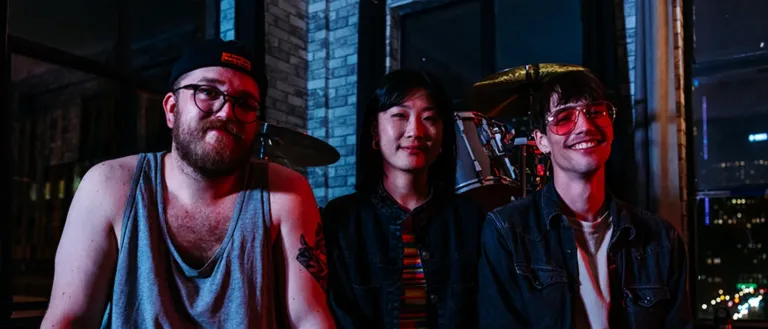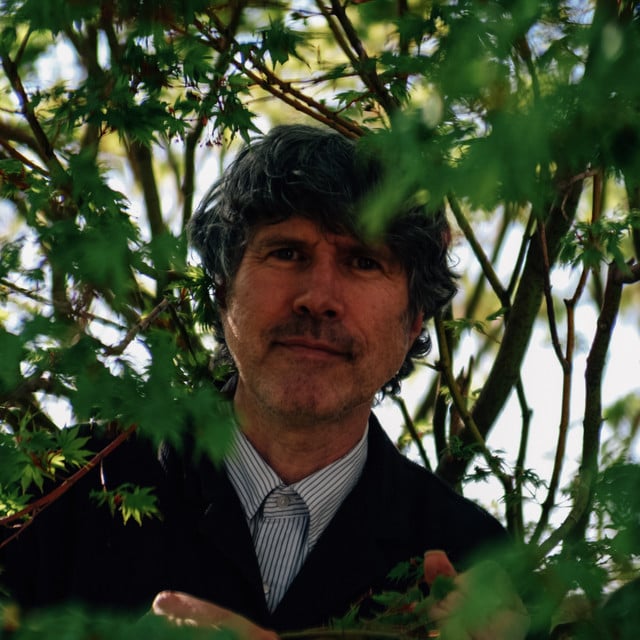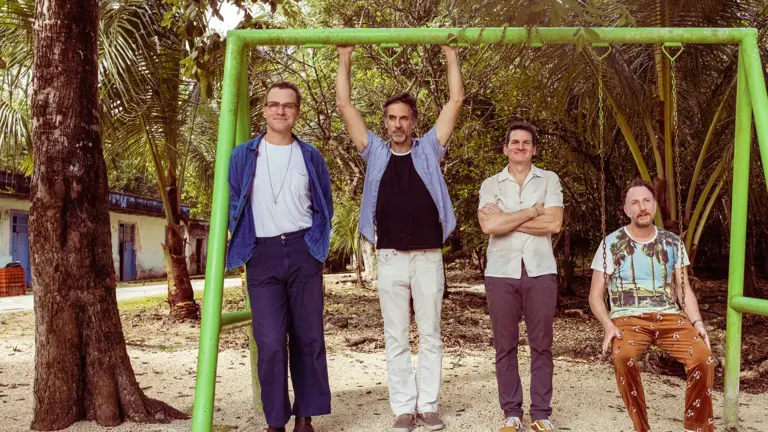
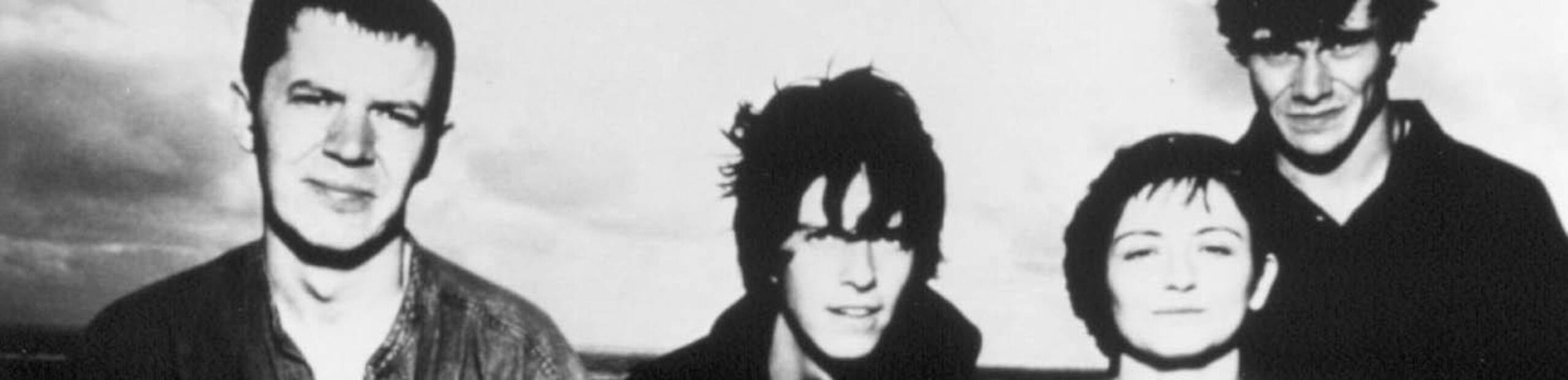
Gorky’s Zygotic Mynci, hailing from Carmarthen in Wales, carved a unique niche in the 1990s British indie scene with their eclectic blend of psychedelic folk, pop, and Welsh traditional music. Their sound was a kaleidoscope of influences, ranging from the whimsical psychedelia of The Beatles and Syd Barrett to the pastoral folk of Donovan and the experimental edges of the Incredible String Band. What made Gorky’s Zygotic Mynci stand out was not just their musical fusion but their commitment to singing in both English and Welsh, which gave their work a distinctive cultural resonance rarely matched in the indie circuit.
The band’s roots in Welsh culture were not just a backdrop but a living, breathing part of their music. This connection to their heritage helped them gain a cult following both in Wales and beyond, with their albums often featuring lyrics steeped in mythology, nature, and folklore. Their 1996 album Barafundle is often cited as a high point, showcasing their ability to blend surreal, childlike wonder with sophisticated songwriting. It’s worth noting that their approach influenced a wave of Welsh bands who sought to integrate their native language and cultural identity into contemporary music, a trend that bands like Super Furry Animals and Catatonia also helped popularise.
One of the more famous anecdotes about Gorky’s Zygotic Mynci involves their early days, where the band members were still teenagers playing gigs in local Welsh venues, often to small but fiercely loyal crowds. Their DIY ethos and the warmth of their live performances created an almost mystical aura around the band. Despite never achieving massive commercial success, their influence permeated the indie and folk scenes, with artists such as Gruff Rhys of Super Furry Animals openly acknowledging Gorky’s as a formative influence on their own work.
The band’s willingness to experiment with unconventional song structures and instrumentation also set them apart. They frequently incorporated instruments like the harpsichord, flute, and even toy instruments, which contributed to their whimsical and sometimes otherworldly sound. This adventurous spirit resonated with a niche audience that appreciated music that defied easy categorisation, and it helped pave the way for later acts who sought to blend folk traditions with modern indie sensibilities.
Although Gorky’s Zygotic Mynci disbanded in the mid-2000s, their legacy endures, particularly within the Welsh music community. Their work remains a touchstone for musicians interested in exploring the intersections of language, culture, and genre. While they might not be a household name globally, their impact is felt deeply among those who value music that challenges the mainstream while remaining heartfelt and rooted in place.