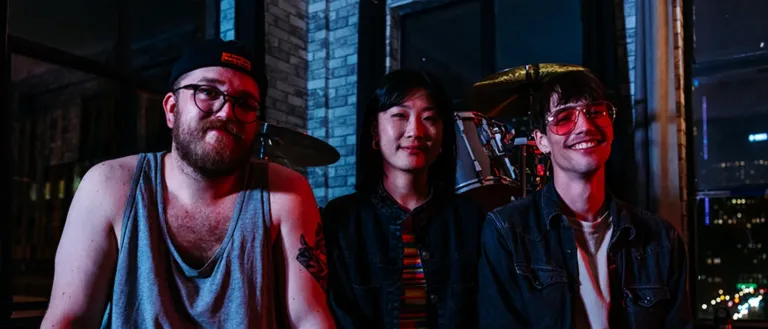

Guster formed in 1991 at Tufts University in Medford, Massachusetts, beginning as Adam Gardner (guitar, vocals), Ryan Miller (guitar, lead vocals), and Brian Rosenworcel (percussion). Unlike many college bands that quickly chase major-label attention, Guster built a devoted following through relentless touring and intimate, college-town shows that highlighted their organic harmonies and distinctive percussion—Rosenworcel often plays with hand drums rather than a full drum kit, giving their rhythm a warm, acoustic pulse that became a signature. Their early DIY ethic and the intimacy of venues where fans could see the subtle interplay between percussion and acoustic guitar helped them cultivate a loyalty that carried the band through stylistic shifts over decades.
Sonically, Guster blends indie rock with pop sensibilities and touches of folk and chamber pop; they cite influences ranging from Paul Simon’s lyrical craftsmanship to the melodic instincts of XTC and the rhythmic innovation of world percussion traditions. That eclectic mix is audible across albums like Lost and Gone Forever (1999) and Keep It Together (2003), where lush arrangements and harmonic layering coexist with crisp pop hooks. Over time they’ve worked with producers such as Steve Lillywhite and Joe Pisapia, each bringing different textures — Lillywhite emphasised bigger, stadium-ready dynamics while Pisapia helped craft more experimental timbres.
Guster’s influence is subtle but present: several indie-pop and acoustic-driven bands of the 2000s have acknowledged how Guster’s melodic approach and vocal harmonies shaped their own songwriting priorities. Their peer respect is notable among fellow New England acts; contemporaries have pointed to Guster’s ability to translate earnest songwriting into engaging live shows as a model for sustainable, audience-focused careers. While Guster didn’t spawn an identifiable “school” of imitators, their commitment to percussion-forward arrangements and handcrafted studio ornamentation left fingerprints on bands that prioritise rhythm and intimate vocal interplay.
Famous anecdotes about Guster often highlight both quirky moments and their persistence. One well-known story concerns the band’s unconventional approach to drumming—Brian Rosenworcel famously refused to adopt a standard kit for many years, insisting his hand percussion was integral to their sound; he eventually added more drums but kept the percussive identity intact. Another fan-favourite anecdote involves Guster’s 2004 “Guster’s Good Will Hunting” moment: after the band members graduated from Tufts, they retained strong ties to their college roots, once performing a benefit concert that raised funds for the very campus spaces where they began, a sentimental full-circle moment that reinforced their image as a band that never forgot humble beginnings.
Across a career spanning indie hits, soundtrack placements, and a reputation for engaging, personable live shows, Guster has shown an unusual blend of DIY roots and evolving studio ambition. Their discography reflects steady growth rather than sudden reinvention, and while they may not always dominate headlines, they have maintained a quietly influential presence in the indie-pop world—respected by peers, cherished by fans, and distinguished by rhythmic creativity and warm, melodic songwriting.