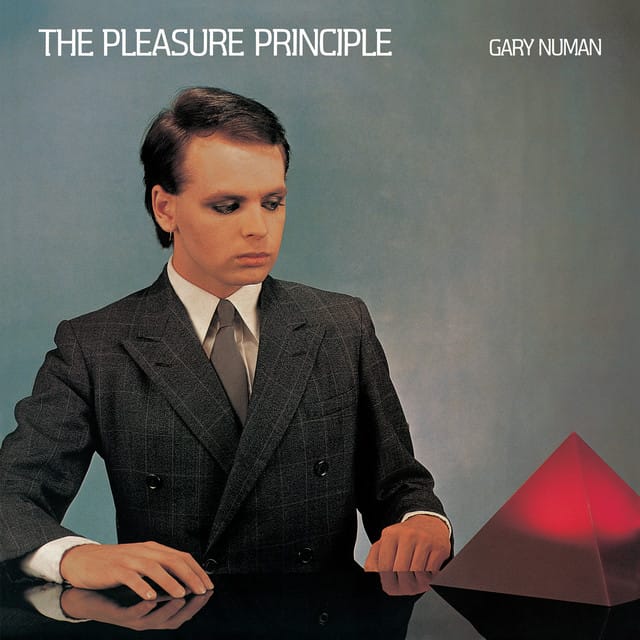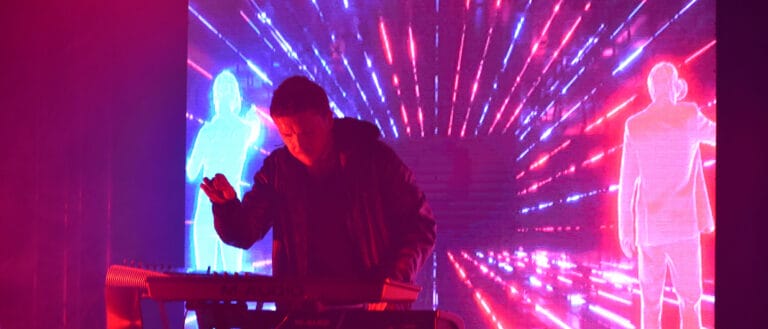

Gary Numan, a pioneering figure in electronic music, hails from London, England. Emerging in the late 1970s, Numan quickly distinguished himself with a sound that fused cold, synthesised textures with a robotic vocal delivery, laying foundational stones for what would become synth-pop and industrial music. His early work with Tubeway Army, particularly the breakthrough hit “Are ‘Friends’ Electric?”, showcased a futuristic aesthetic that was both alien and deeply emotive, setting him apart from the punk and rock scenes dominating the UK at the time.
Numan’s influences are as eclectic as his sound. He has openly credited the likes of Kraftwerk for their pioneering electronic work, as well as David Bowie for his theatricality and innovation. The influence of science fiction and dystopian themes is palpable throughout his work, inspired not only by literature but also by the burgeoning technology culture of the late 20th century. This blend of human vulnerability and mechanised soundscapes became a signature that many later artists would draw upon.
His impact on future generations of musicians is profound. Bands like Nine Inch Nails, Marilyn Manson, and The Prodigy have cited Gary Numan as a key influence on their approach to blending electronic music with darker, more aggressive tones. Trent Reznor of Nine Inch Nails, in particular, has spoken about Numan’s work as a catalyst for his own career, highlighting how Numan’s music showed the potential of synthesizers beyond pop conventions.
A famous anecdote about Gary Numan involves his 1979 performance on the BBC’s “Top of the Pops,” where his robotic stage presence and cold, detached delivery shocked audiences and critics alike. It was a stark contrast to the more flamboyant or raw performances typical of the era, and it cemented his image as an outsider and innovator. Despite initial mixed reactions, this performance is now seen as a defining moment that helped bring electronic music into the mainstream.
Over the decades, Numan has maintained a cult following while continuing to evolve his sound, never fully conforming to commercial trends. His resilience and ability to reinvent himself have earned him respect not just as a nostalgia act but as a continually relevant artist. His legacy is not just in his music but in his demonstration that electronic music can be both emotionally resonant and intellectually challenging.