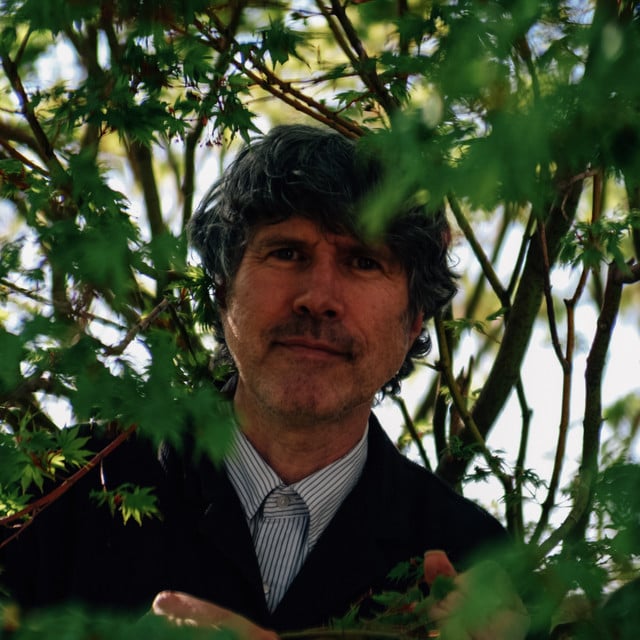

Gaijin Smash were an alternative rock band from New York City, formed by singer and guitarist Naoki Sato and bassist Tomoko Sato. Their name played on the Japanese term gaijin—meaning foreigner or outsider—and the band’s music reflected that sense of cultural dislocation. They became associated with New York’s late-1990s underground scene, where their jagged guitars, brisk tempos and wry, self-aware lyrics stood apart from the more polished post-grunge sound then dominating American rock radio.
The group’s most distinctive feature was the tension between punk directness and a deliberately awkward, almost theatrical sense of humour. Their songs often treated language, identity and everyday embarrassment as material rather than hiding behind conventional rock posturing. That quality made Gaijin Smash feel closer to a sharply observed downtown performance than to a straightforward guitar band: scrappy, funny and knowingly uncomfortable, with the clash between Japanese and American cultural references built into their point of view.
Specific, reliable accounts of the band’s stated influences are limited, so it would be misleading to attach an authoritative list of favourites to them. Their sound nevertheless sits in recognisable conversation with New York punk and alternative rock, particularly the wiry, economical approach associated with bands that valued attitude and verbal precision as much as technical display. The band’s cross-cultural perspective also gave those familiar ingredients a different emphasis, but available documentation does not support a firm claim that any particular artist directly shaped Gaijin Smash.
There is similarly little well-substantiated evidence that prominent later bands publicly cited Gaijin Smash as a major influence. They appear to have occupied a relatively local and specialised position rather than becoming a widely acknowledged reference point for subsequent rock acts. That is not a judgement on their importance: some bands matter because they articulate a scene, a friendship network or a particular cultural experience with unusual clarity, even when their influence is difficult to trace through formal interviews and liner notes.
The most memorable anecdote attached to Gaijin Smash is arguably the premise contained in their name itself: a band formed in New York by Japanese musicians, using a term for outsiders while making music about the comic friction of belonging in more than one culture. Beyond that, the historical record is sparse, and stories about their line-up, recording sessions or live shows should be treated cautiously unless supported by contemporary interviews or archival sources. What can be said with confidence is that Gaijin Smash were an idiosyncratic New York band whose value lies less in a documented chain of influence than in the specificity of their voice.