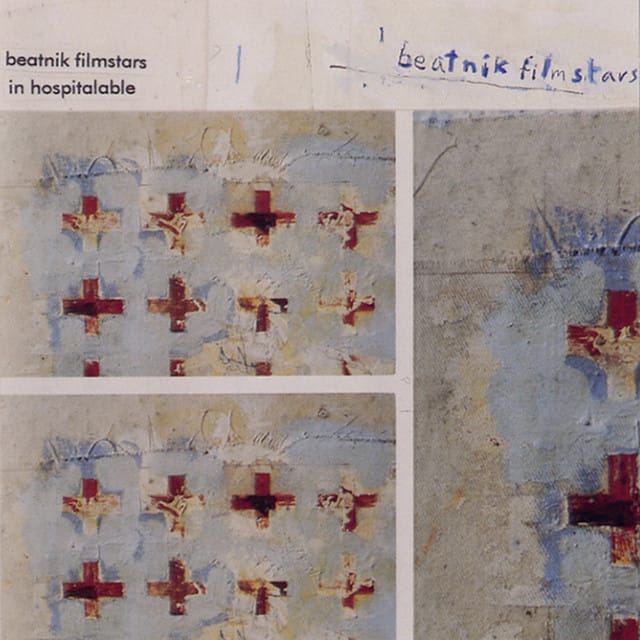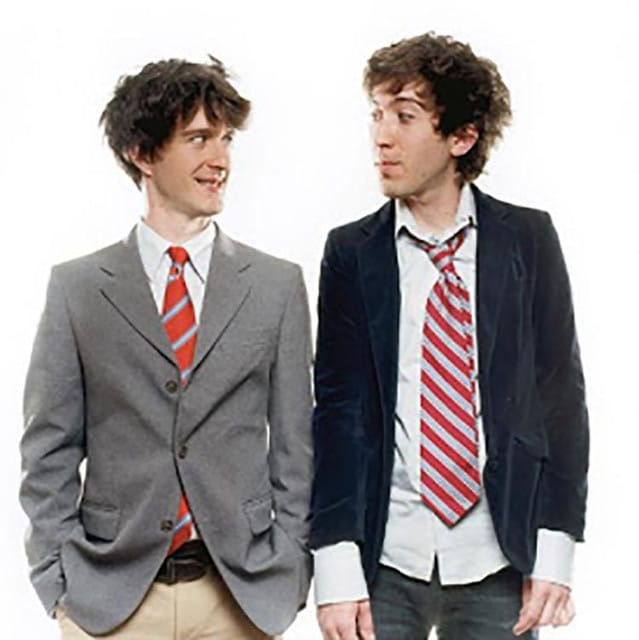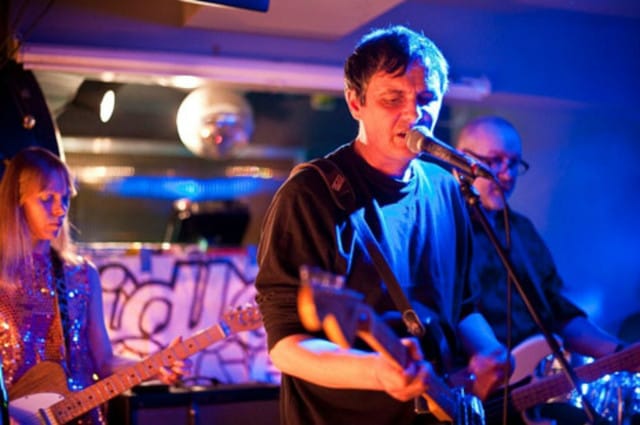

Beatnik Filmstars are an indie pop/rock band formed in the mid-1990s in Bristol, England, who made a point of sounding both comforting and slightly off-kilter — like a familiar tune hummed in an unfamiliar key. Their core was fronted by Andrew Arthur Baker (often credited simply as Andy Baker), whose day-to-day steering of the band around a revolving cast of musicians produced a catalogue that kept one foot in classic British guitar-pop and the other in jangly, psychedelic-tinged experimentation. Unlike one-note revivalists, Beatnik Filmstars mixed Kinks-style observational songcraft, Velvet Underground drones and a Beatlesque ear for melody with a scrappy DIY ethic inherited from the indie scene that followed the shoegaze period.
Bristol’s musical backdrop — a city better known for trip hop and a thriving post-punk legacy — made Beatnik Filmstars feel like an odd, rewarding island. They drew clear influences from 1960s pop (the Beatles, the Kinks), 1970s art-rock and late-1980s/early-1990s British indie: think the melodic impulses of Teenage Fanclub, the offbeat lyrical eye of Julian Cope and the ever-present low-key experimentalism of artists associated with Creation and similar labels. Their sound also carried traces of American college-rock and the Velvets’ affable menace; it’s fitting that their records often flirted with lo-fi textures and home-studio immediacy that gave the songs a lived-in warmth.
Although Beatnik Filmstars never achieved mainstream chart breakthroughs, their records earned consistent respect among critics and fellow musicians. Bands in later UK indie and power-pop circles have acknowledged the kind of melodic, slightly left-field template Beatnik Filmstars helped keep alive through the 1990s and 2000s — particularly smaller outfits who prized hooky songwriting over trend-chasing. They weren’t typically name-checked in the same breath as the era’s flashier success stories, but within the network of independent labels and fanzine culture their work functioned as a quiet reference point for craft-focused songwriting.
The band’s history is threaded with anecdotal flourishes that speak to a committed underground career rather than overnight fame. One oft-repeated detail is the way the group would self-release or work with small labels, producing records that were sometimes regionally limited or pressed in modest runs — a fact that made original vinyl and early CD issues prized by collectors. Another familiar story is Andy Baker’s restless reconfiguration of the lineup; the rotating personnel reinforced an image of Beatnik Filmstars as an idea and a voice rather than a fixed four-piece, which both frustrated and fascinated listeners who followed their output closely.
If there’s a political edge to their profile, it’s more implicit than propagandistic: a left-leaning sensibility registers in their emphasis on community venues, DIY distribution and a refusal to chase easy commercial templates, rather than in didactic lyric sheets. They sit comfortably in a tradition of British independent bands who saw music-making as part of a broader cultural conversation — prioritising accessibility, cooperation and artistic autonomy. For listeners who care about understated craft and the pleasures of small, persistent musical projects, Beatnik Filmstars remain a rewarding band to rediscover.