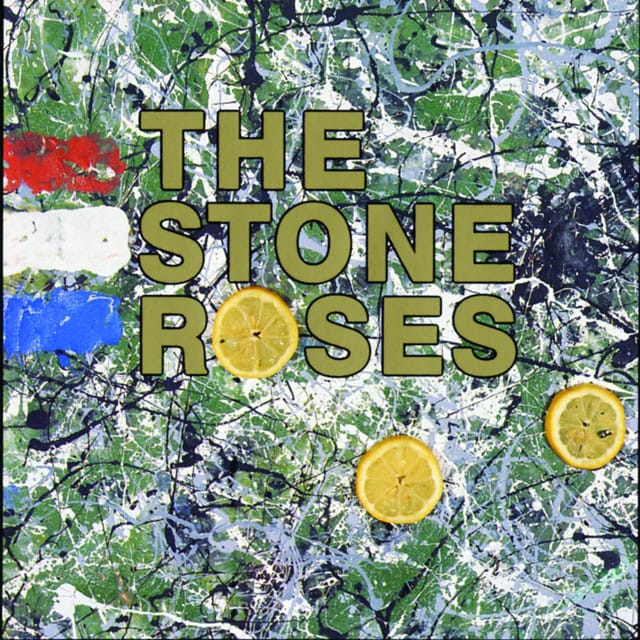

The Stone Roses, hailing from Manchester, England, are often credited with catalysing the Madchester movement of the late 1980s and early 1990s, a vibrant fusion of alternative rock, psychedelic sounds, and dance rhythms. Their eponymous debut album, released in 1989, is widely regarded as a landmark record that challenged the post-punk and indie rock landscape with its distinctive blend of jangly guitars, groove-laden basslines, and Ian Brown’s hypnotic vocals. Drawing heavily from 1960s psychedelia and the funk-infused grooves of artists like James Brown, the band crafted a sound that was both retro and refreshingly modern, bridging gaps between rock and dance music in a way that few had attempted before.
The Stone Roses’ influences are as eclectic as their sound. They openly acknowledged the impact of the Beatles, particularly in their melodic sensibilities and studio experimentation. The influence of the funk and soul scenes, especially the grooves of Sly and the Family Stone and the rhythmic flair of The Meters, can also be heard throughout their work. This fusion of styles was not just a nod to the past but a deliberate effort to create a new sonic identity that resonated with the youth culture of Manchester, a city already steeped in musical history through bands like Joy Division and The Smiths.
Their impact on subsequent generations of musicians is profound. Bands such as Oasis and Blur have cited The Stone Roses as a significant influence, with Noel Gallagher famously describing their debut as a “turning point” for British rock music. The Roses’ ability to blend rock with dance rhythms paved the way for the Britpop explosion of the mid-1990s, and their legacy can be traced in the work of countless indie and alternative bands that followed. The band’s influence extends beyond just sound; their aesthetic, from John Squire’s Jackson Pollock-inspired album artwork to their laid-back, almost nonchalant stage presence, helped redefine what it meant to be a rock band in that era.
One of the most famous anecdotes about The Stone Roses revolves around the legendary 1990 Spike Island concert, often dubbed “the British Woodstock.” Despite organisational chaos and poor weather, the gig became a defining moment for the band and their fans, symbolising the peak of the Madchester scene. Another notable story is their protracted legal battle with their record label, Silvertone, which delayed their follow-up album for several years, frustrating fans and critics alike. This legal wrangling, combined with internal tensions, led to their initial split in 1996, but the mystique surrounding the band only grew during their years apart.
The Stone Roses’ reunion in 2011 was met with enormous excitement, proving the enduring power of their music and the loyalty of their fanbase. Though their later work never quite matched the groundbreaking impact of their debut, the band’s influence remains embedded in the DNA of British rock. Their story is one of creative brilliance, cultural significance, and a certain enigmatic charm that continues to captivate music lovers and historians alike.