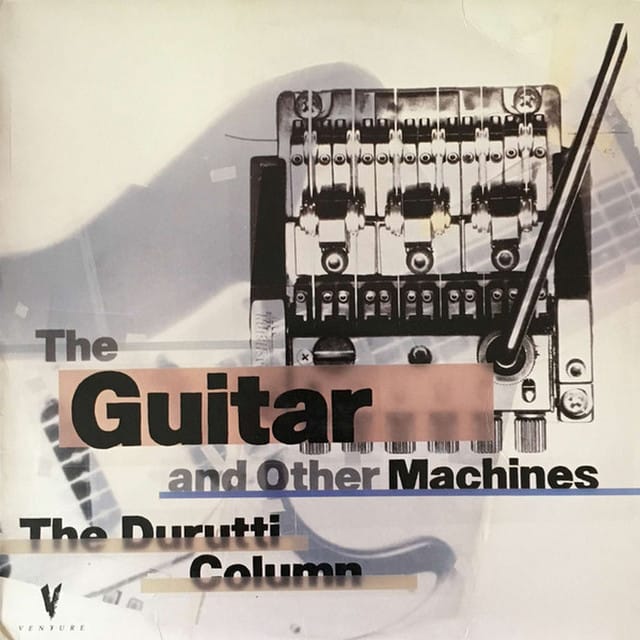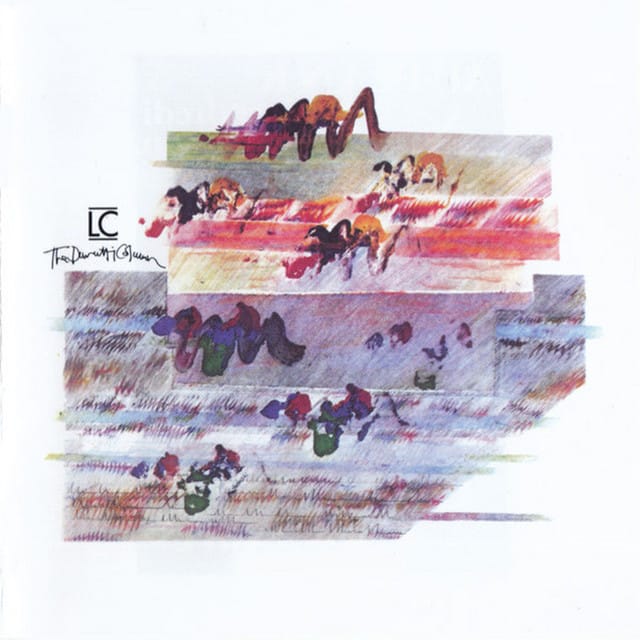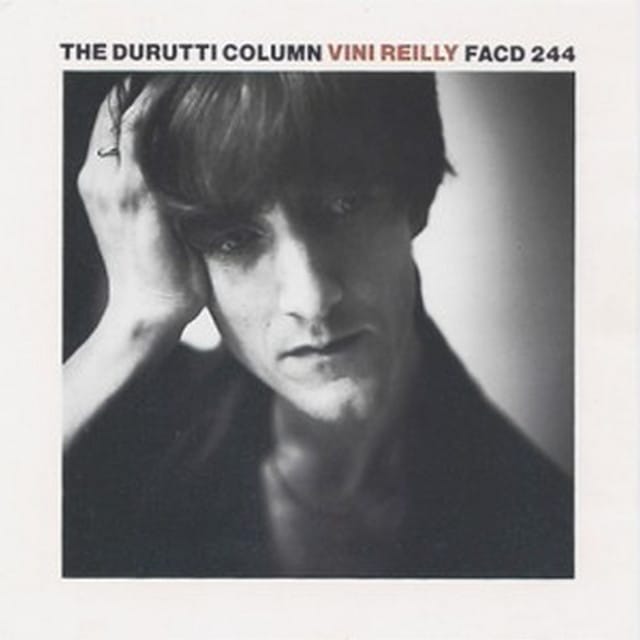
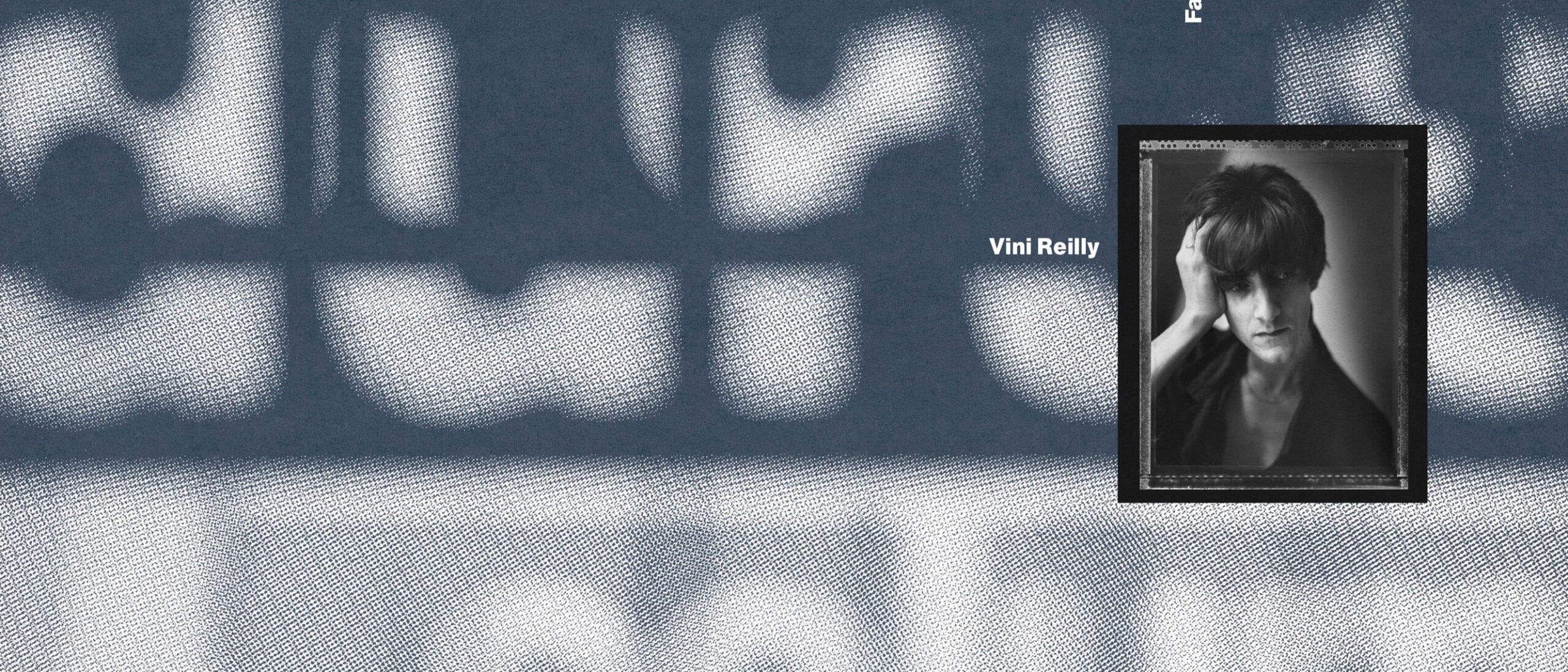
The Durutti Column is the brainchild of Vini Reilly, a guitarist and composer hailing from Manchester, England, whose work has become synonymous with the post-punk and indie scenes of the late 1970s and beyond. Unlike many of their contemporaries, The Durutti Column carved out a niche that leaned heavily on minimalism and atmospheric soundscapes, often eschewing traditional rock structures in favour of delicate guitar work intertwined with ambient textures. This approach set them apart from the more abrasive or dance-oriented bands emerging from Manchester at the time, such as Joy Division or The Fall.
Reilly’s influences are eclectic yet deeply rooted in guitar innovation and mood-driven music. He has often cited the likes of jazz guitarists Jim Hall and Bill Frisell, as well as classical composers, as key inspirations for his intricate fingerpicking style and expansive sonic palette. The band’s name itself, taken from a Spanish anarchist military unit during the Spanish Civil War, hints at the intellectual and political undercurrents that subtly inform their work, though the music remains largely instrumental and emotionally evocative rather than overtly political.
The Durutti Column’s impact on other musicians is significant, even if it remains somewhat under the mainstream radar. Bands such as The Smiths and later indie acts like The National have acknowledged the influence of Reilly’s ethereal guitar work and the atmospheric qualities he brought to post-punk music. Morrissey, in particular, was a fan of The Durutti Column’s early work on Factory Records, which helped cement the band’s cult status. Their association with Factory Records places them at the heart of one of the most innovative music scenes of the late 20th century, alongside iconic acts like New Order and Happy Mondays.
One famous anecdote about The Durutti Column involves their debut album, “The Return of the Durutti Column,” which was initially intended to be a collaborative project with Factory Records founder Tony Wilson. The album’s sparse and haunting sound was a stark contrast to the label’s more dance-driven output, and it reportedly caused some confusion and frustration among Factory’s staff who expected something more conventional. Yet, this debut became a defining statement of the label’s willingness to embrace experimental and boundary-pushing music.
Over the decades, The Durutti Column has maintained a consistent output, with Reilly’s guitar work evolving but never losing that signature blend of fragility and complexity. Their music has often been described as cinematic, capable of conjuring vivid emotional landscapes with minimal instrumentation. This quality has not only earned them a dedicated following but also respect from musicians and critics who appreciate the subtle artistry behind Reilly’s compositions. The Durutti Column remains a unique and enduring voice in British music, quietly influencing generations of guitarists and indie musicians.