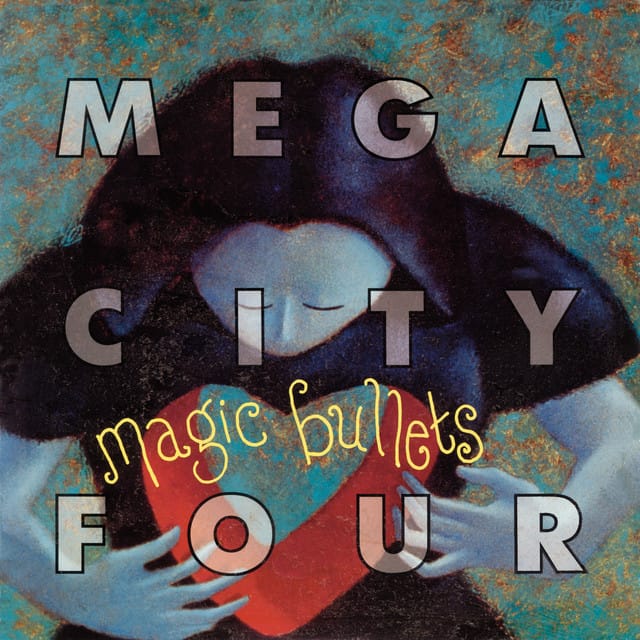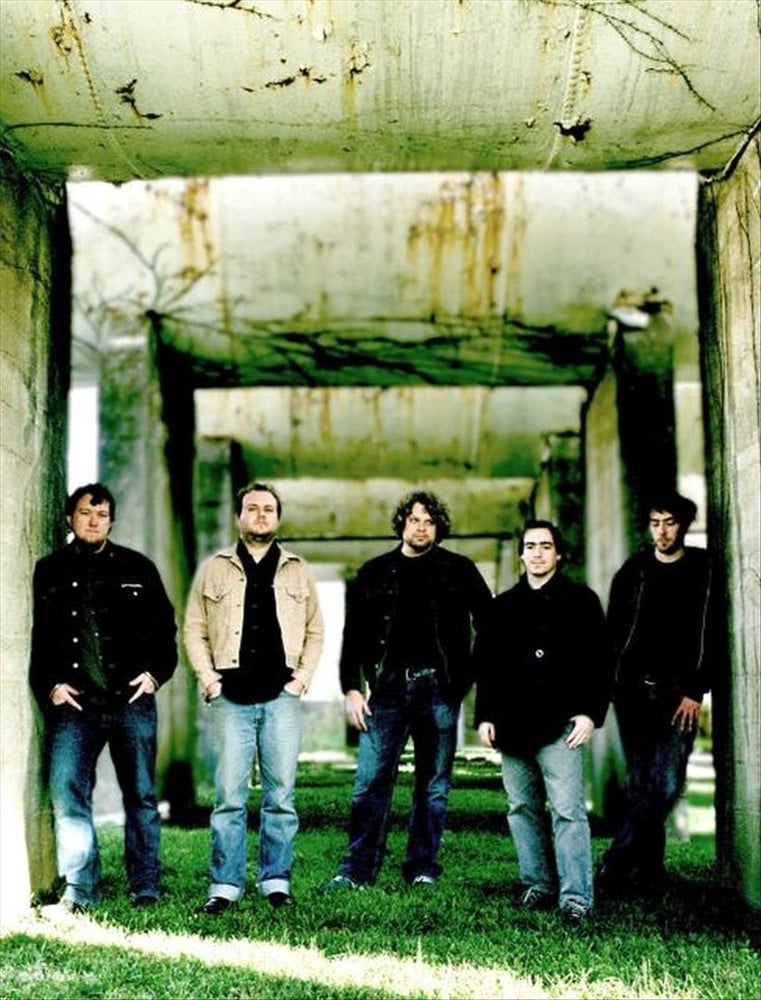
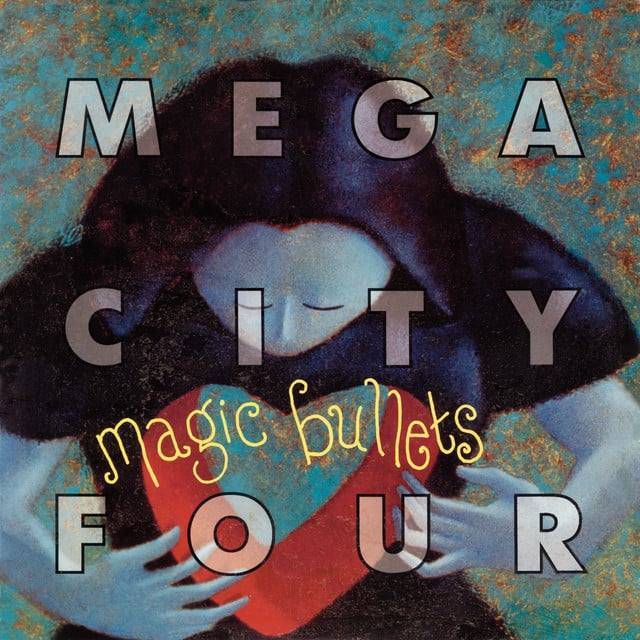
Mega City Four emerged from the vibrant alternative scene of Farnborough, Hampshire, England, in the late 1980s. The band carved out a distinctive niche within the post-punk and indie rock circles, blending punchy, melodic guitar work with earnest, often introspective lyrics. Their sound was characterised by a raw energy that managed to be both anthemic and intimate, capturing the restless spirit of their generation without veering into cliché. Unlike some of their contemporaries, Mega City Four never chased mainstream success aggressively, which has contributed to their enduring cult status.
The band’s influences are rooted deeply in the punk and post-punk traditions, drawing inspiration from groups like The Jam and The Clash, but also weaving in the melodic sensibilities reminiscent of The Smiths and The Replacements. This fusion gave their music a unique edge — simultaneously urgent and tuneful. Their songwriting revealed an ability to balance social commentary with personal reflection, often delivered through frontman Wiz’s distinctive vocal style. This blend of influences made them a favourite among fans who sought more substance than what the mainstream offered during the early 1990s.
Mega City Four’s impact on the indie and alternative scenes is subtle but significant. While they never achieved widespread commercial success, they have been cited by several later bands as a key influence, particularly within the UK punk and emo scenes of the late 1990s and early 2000s. Bands such as Biffy Clyro and Hundred Reasons have acknowledged the band’s role in shaping their approach to blending melodic hooks with punk energy. This lineage underscores Mega City Four’s importance as a bridge between the post-punk era and the more emotive alternative rock that followed.
One of the more famous anecdotes about Mega City Four involves their relentless touring ethic. They were known for their gruelling schedules, often playing multiple shows in a week across small venues and clubs. This DIY approach helped them build a fiercely loyal fanbase and earned them respect among peers. Their live performances were noted for their raw intensity and connection with the audience, a factor that contributed to their reputation as one of the most honest and hardworking bands of their time. This work ethic was both a strength and a challenge, as it eventually took a toll on the band members.
Tragically, the band’s trajectory was cut short when frontman Wiz, whose real name was Darren Brown, passed away in 2006. His death was a significant loss to the alternative music community, and it prompted many retrospectives on the band’s underrated contribution to British indie rock. Despite their relatively brief career, Mega City Four remains a touchstone for fans and musicians who value authenticity and passion in their music. Their legacy is one of fervent creativity and a reminder of the power of grassroots music scenes.