SF0217 50 Years On – Punk Rock 76-77

It’s 50 years since the first explosion of punk rock. Here’s a selection of tracks from 1976 and 1977.
There’s more to be written about the legacy of punk and the fact it was a bit of a musical cul-de-sac, and that post-punk was more interesting musically. But I’ll just put down a few thoughts here on why punk happened when it did.
By the mid-1970s, Britain was in genuine crisis. The post-war consensus, most happily symbolised by the National Health Service, was disintegrating. Denis Healy went “cap-in-hand”, as historians put it, to the International Monetary Fund to ask for a loan. In 1975 inflation had reached 26% which had shades of the Weimar Republic or third world nations. Youth unemployment was relentlessly on the rise.
What we hear nowadays – certainly in Australia, as it happens – is that this is the first cohort of young people for a generation for whom there is no plausible path to the prosperity their parents had expected. But it’s arguable and honestly, from a pretty high base. That sense of a blocked future in mid-70s UK was, by contrast, very real. Punk wasn’t just alienation as a pose, it was genuine for kids growing up in the old industrial towns. Hence Johnny Rotten and “No Future”.
We did a separate episode on the interconnection of punk and post-punk with reggae and dub music, and that was significant too. Jamaican music – brought to British cities by Caribbean immigrant communities – had a huge influence on punk’s attitude, tempo, and stripped-back aesthetic. The two scenes sometimes overlapped, particularly in Notting Hill and Brixton, and they shared an outsider’s anger. Hence The Clash’s cover of ‘Police and Thieves’ or The Slits’ dubby version of ‘Heard it through the Grapevine’.
It wasn’t just the economy. We had Yes albums, one called Tales of Topographic Oceans, running to 40 minutes of side-long symphonic epics, stadium tours with laser shows, and musicians who seemed hopelessly distant from the 17-year-old on the dole queue. Prog rock – to name one culprit – had lost any connection to the rawness that made Elvis and Jerry Lee Lewis so compelling 20 years earlier. Punk was a deliberate rejection of virtuosity as a value.
Plus contingency – or just local factors. Malcolm McLaren and Vivienne Westwood’s SEX shop on the King’s Road became an incubator of ideas and aesthetics, drawing on Situationist theory, of all things. McLaren had had a dry run managing the New York Dolls in New York, and Westwood was the doyenne of the DIY fashion world.
Then the NME and music press amplified things rapidly. Ironically while the BBC’s relative conservatism – along with other elements of the class-riddled establishment – created something to rebel against, it was John Peel’s relative freedom on the BBC Radio 1’s late night show that also created a platform for the embryonic genre. In a world without the internet, it was the only way to hear punk rock before you invested money in it. And then the Bill Grundy incident propelled punk to the front pages.
One slightly overlooked element is the dawn of fanzines which also spread the word. DIY publications written on wonky typewriters were enabled by a recent invention: the office photocopier. Punk might have been opposed to intricate effects pedals, but this humble technical innovation, as so often in musical history, helped people engage with the genre. And it gave us one of the great front covers of any magazine: the chord diagram — “here’s one chord, here’s two more, now form a band”. Fanzines and punk rock shared one thing in common, overwhelmingly: the possibilities of genuine democratisation. A bit like podcasts a generation later, you might say.
So, the reason 1976-77 UK punk feels different from the New York or LA punk scene (though both are showcased in this episode) is because the British version fused economic anger with aesthetic revolt. American punk was mostly aesthetic and art-school. British punk had genuine class fury running through it, which gave it a different voltage entirely. Early Clash and Pistols were almost a perfect crystallisation of this — the musical rebellion and the political anger were inseparable.
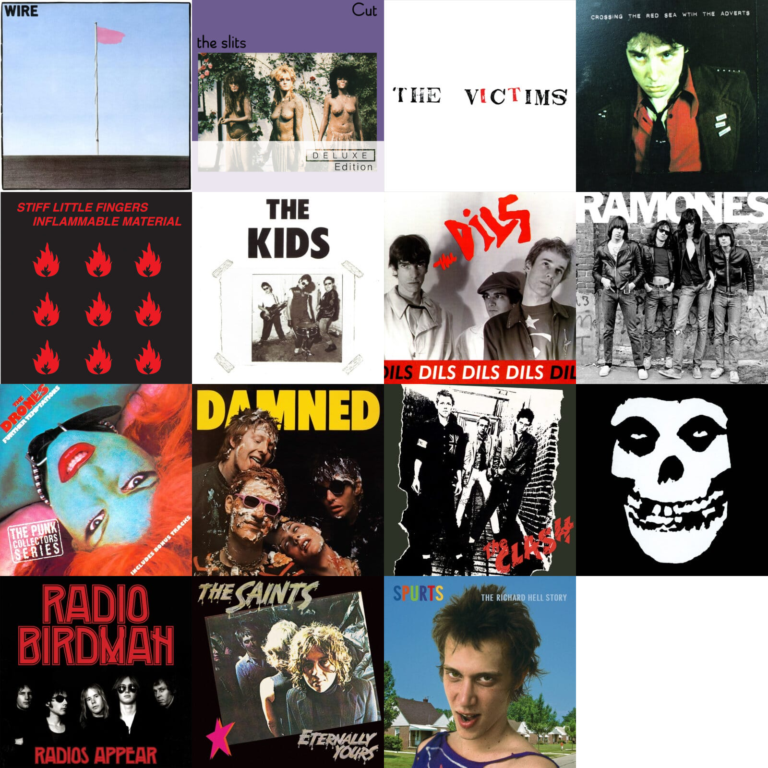
And let’s not overlook the rest of the world and Australia in particular. Acts like The Saints, Radio Birdman and the Victims, all featured here, were actually ahead of the curve in the mid-70s. Australia is more strung out as a country which made it harder to focus the righteous anger of punk. Plus, the economic conditions were different. But the rejection of a bloated musical orthodoxy was the same. There were other pockets of insurrection around the world. I’ve included examples here from Slovenia and Belgium.
Anyway, I hope you enjoy the tracks I’ve selected. It all still sounds pretty fresh.
Tracklisting (20 songs)
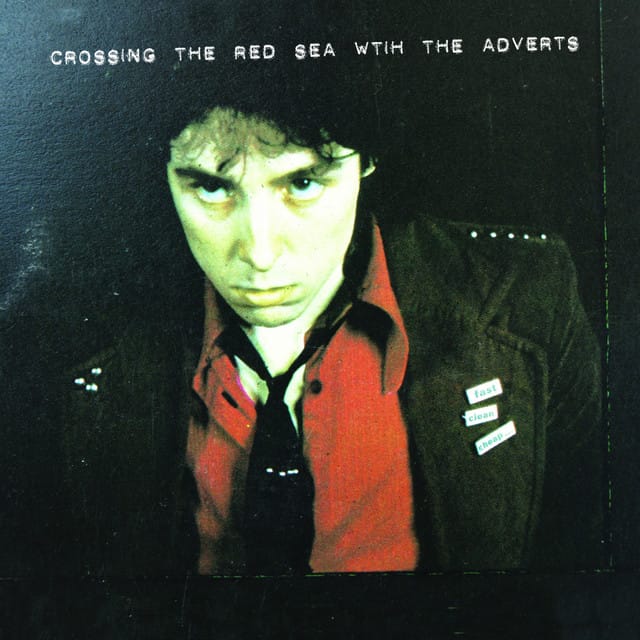
One chord wonder
- Band/Artist:
- The Adverts

Last caress
- Band/Artist:
- Misfits
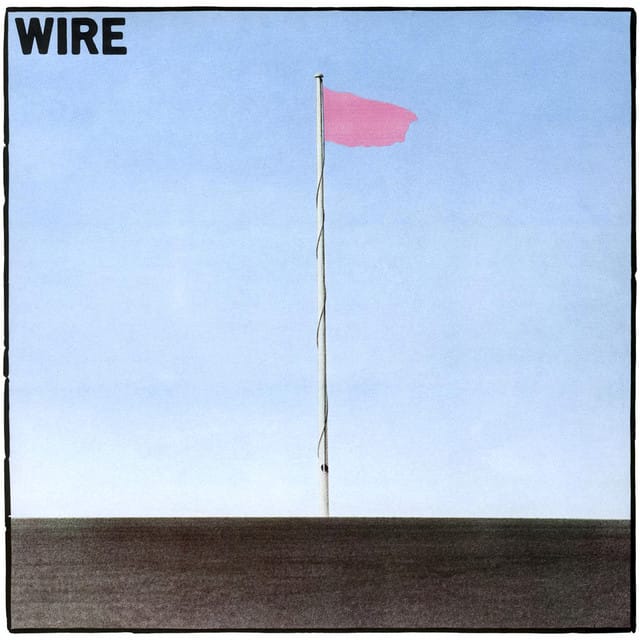
Ex lion tamer
- Band/Artist:
- Wire
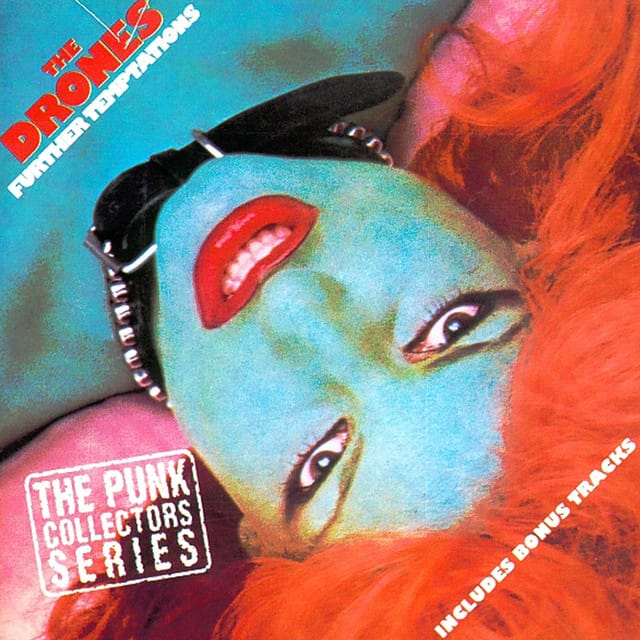
Bone idol
- Band/Artist:
- The Drones
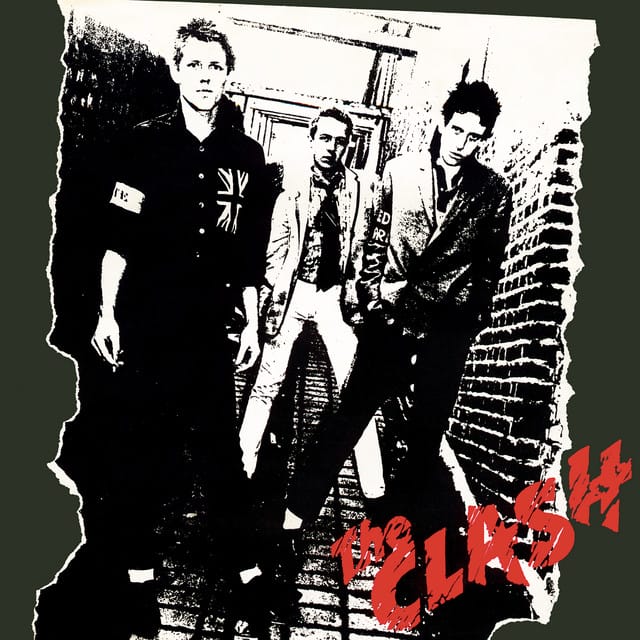
Janie Jones
- Band/Artist:
- The Clash
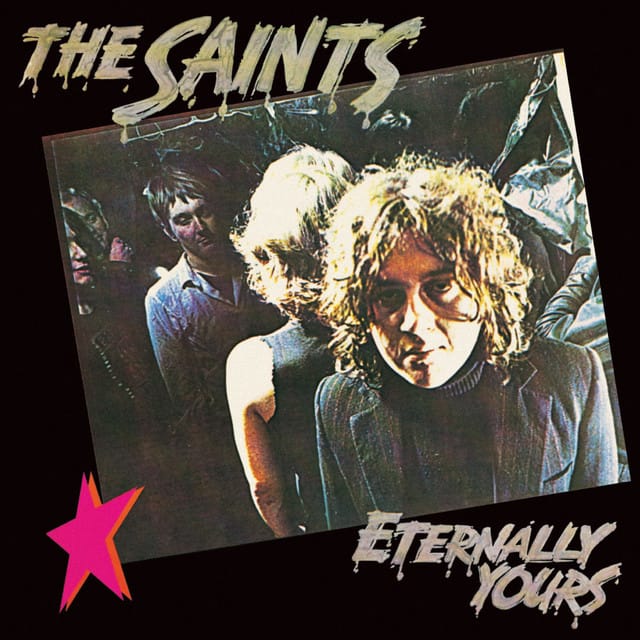
This perfect day
- Band/Artist:
- The Saints
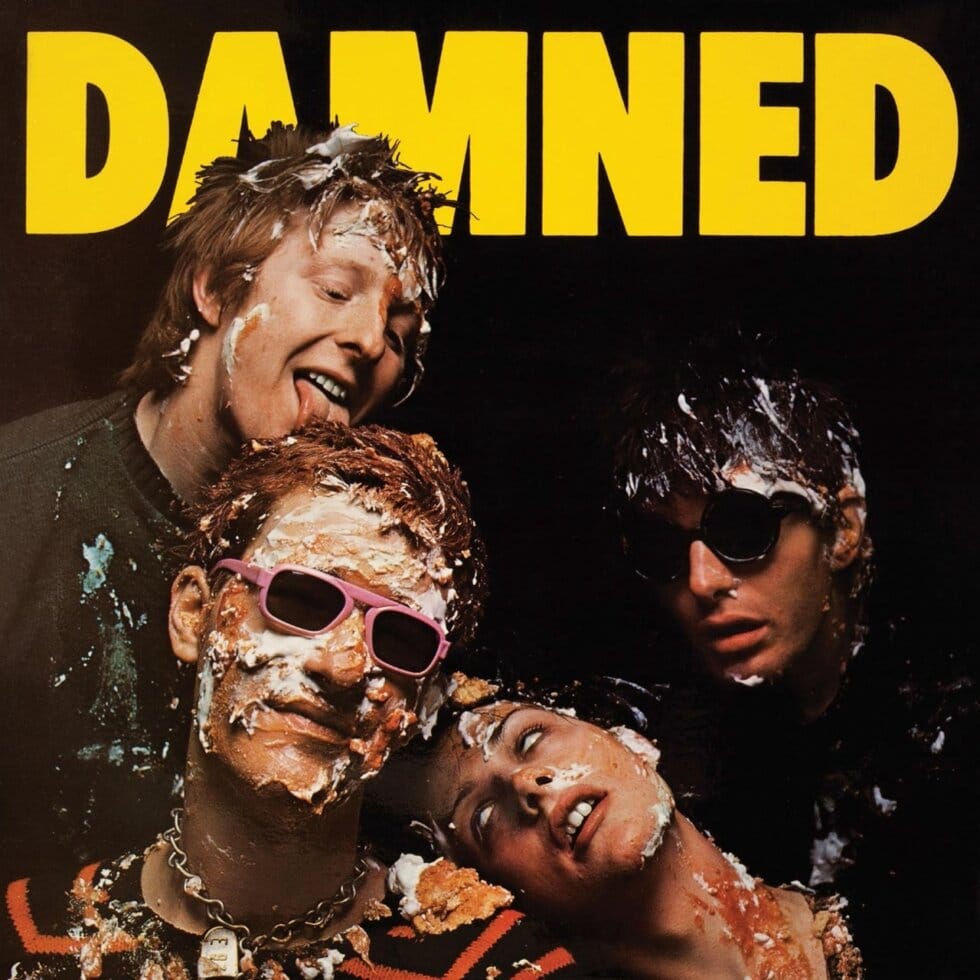
Neat neat neat
- Band/Artist:
- The Damned
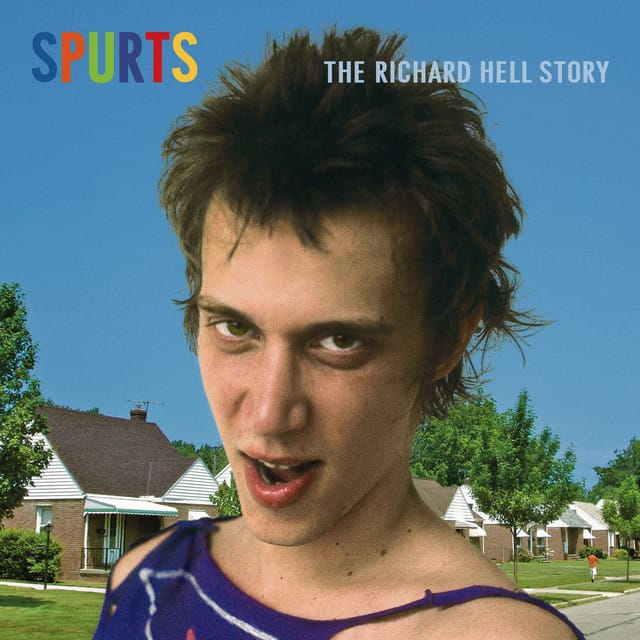
Love comes in spurts
- Band/Artist:
- Richard Hell
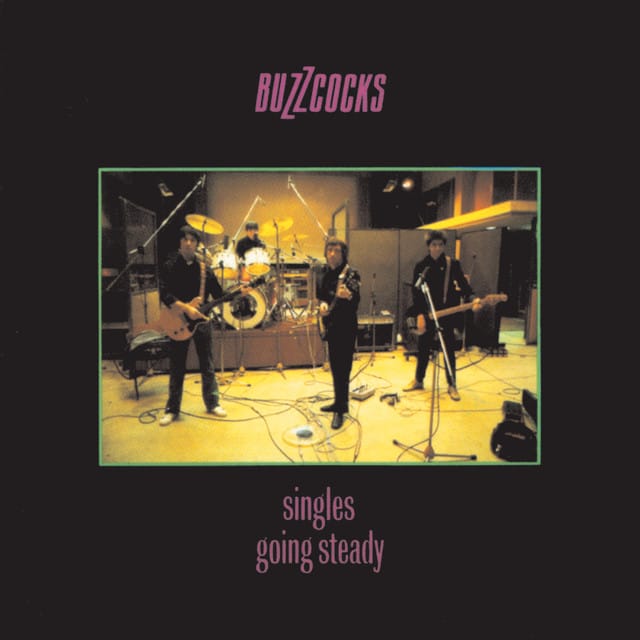
Orgasm addict
- Band/Artist:
- Buzzcocks
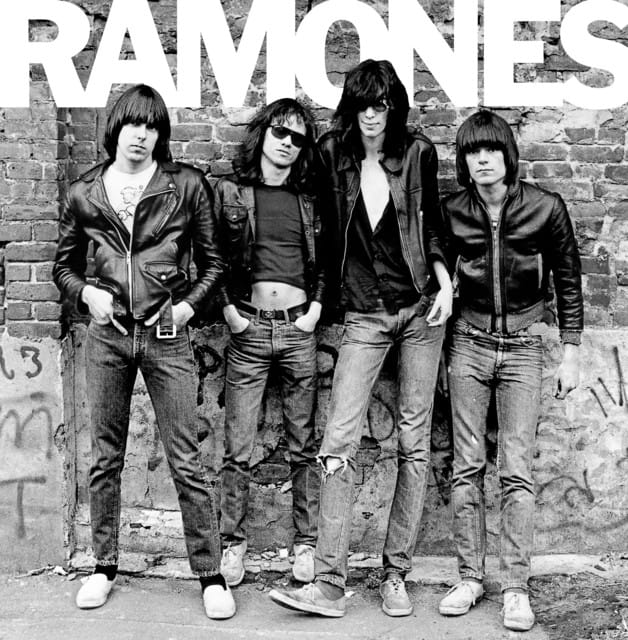
Today your love, tomorrow the world
- Band/Artist:
- The Ramones
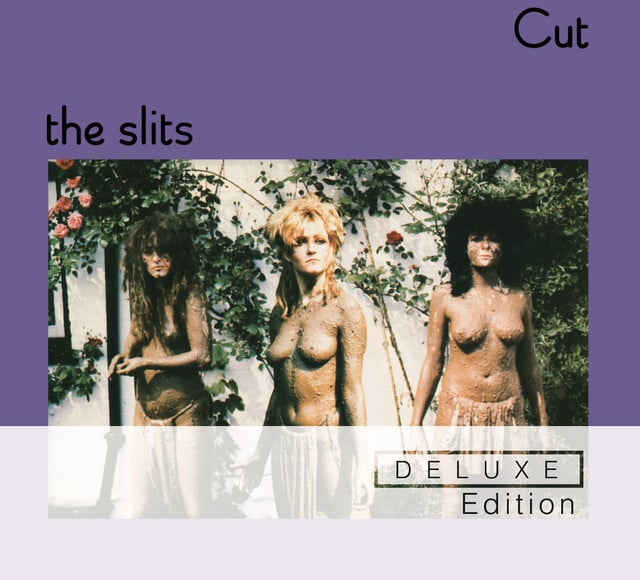
Love and romance
- Band/Artist:
- The Slits
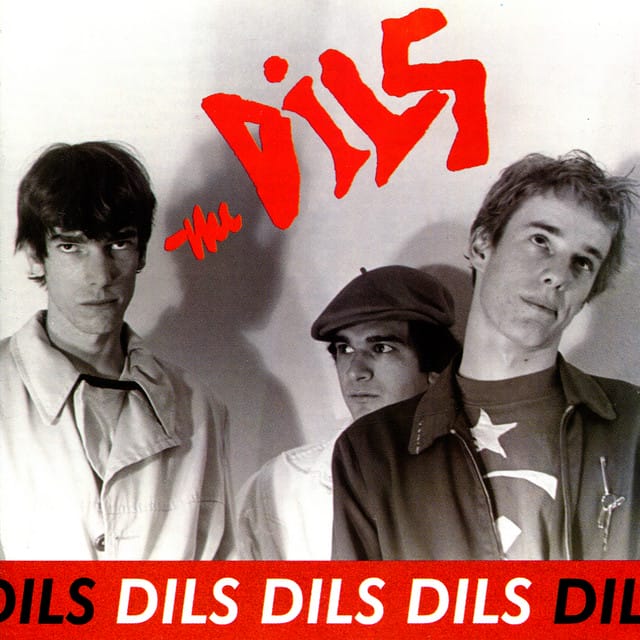
I hate the rich
- Band/Artist:
- The Dils
Lublana je bulana
- Band/Artist:
- Pankrti
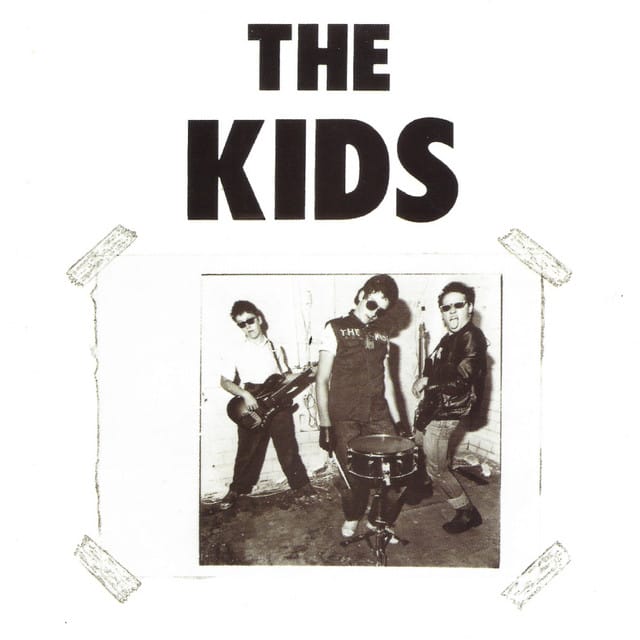
Bloody Belgium
- Band/Artist:
- The Kids

Suspect device
- Band/Artist:
- Stiff Little Fingers
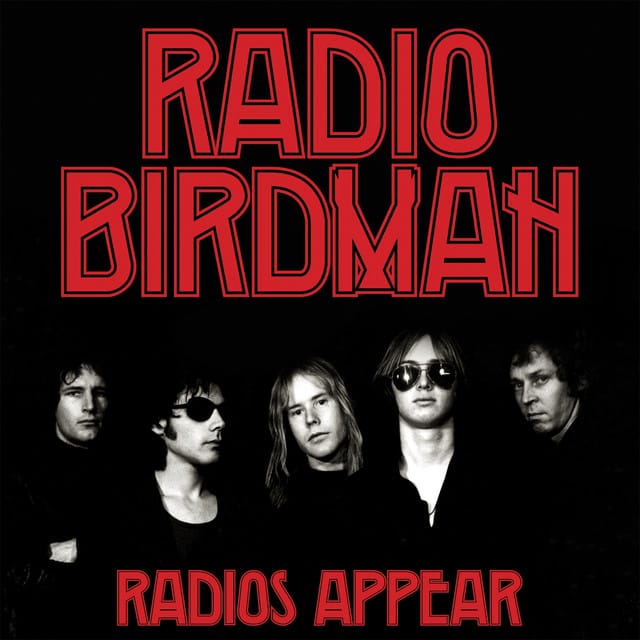
Murder city nights
- Band/Artist:
- Radio Birdman

Television addict
- Band/Artist:
- The Victims
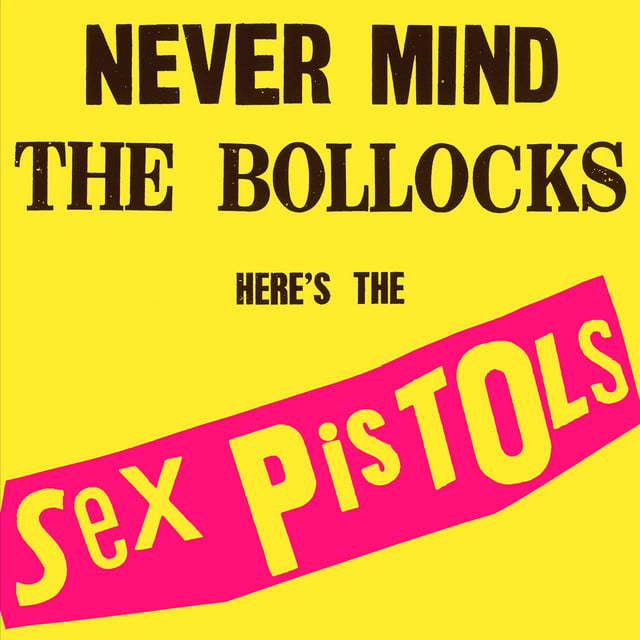
Anarchy in the UK
- Band/Artist:
- The Sex Pistols