SF0219 The Comedy of Errors (Shakespeare Part 1)

First in a trilogy, with tunes based on Shakespeare’s plays. First up, The Comedy of Errors.
My wife and I had half an hour available before we were meeting friends at a restaurant last weekend. We opted to indulge ourselves in a glass of wine at a local bar. The gentleman serving us, after we had conversed for a while, asked me whereabouts in northern England I hailed from. I thanked him, and while agreeing that I do identify as a northerner, nevertheless revealed that my hometown was the Midlands city of Coventry. A look of astonishment crossed his face.
I discovered that he himself was a Stratford-upon-Avon man, and an avid fan of the Sky Blues. We proceeded to discuss the fortunes of our club (to burnish my credentials I whipped out a team beanie from my pocket, at which point he came around from the counter and gave me a big hug), which I accept readers may not find the most riveting topic. But mention of Stratford had sparked a thought in my mind. I enjoyed putting together our Graham Greene trilogy last year, and thought – why not put together a Shakespearean trilogy?
The task then became to identify three plays, or themes, on a Shakespearean basis. I identified The Comedy of Errors as a play title with excellent potential (two more to follow). And so it has proved. For those unfamiliar with the play, a few contextual words.
For centuries, scholars have found little thematic depth in The Comedy of Errors. Harold Bloom however, the doyen of Bard critics, wrote that it “reveals Shakespeare’s magnificence at the art of comedy”, and praised the work as showing “such skill, indeed mastery – in action, incipient character, and stagecraft – that it far outshines the three Henry VI plays and the rather lame comedy The Two Gentlemen of Verona”. Also worth noting is that, along with The Tempest, it adheres to the classical unities of time, place and action. Eric Heinze argues that particularly notable in the play is a series of social relationships in flux as society moves from the old feudal forms to confronts the market forces of early modern Europe.
In terms of the tunes in this episode, they are all errors, with some comedy. I think it entirely possible that ‘Former Farmer’ by Crash the Superyacht contains the most unlikely subject narrative for any song we’ve ever played.
The final song is by The Mountain Goats. Three weeks ago my very old friend Les Binet was in town for a conference from London and we naturally met up. Les very kindly gave me a copy of the book ‘This Year’ by John Darnielle of The Mountain Goats as a gift: 365 of his own songs annotated, one for every day of the year. Thanks, Les! You’re my favourite econometrician.
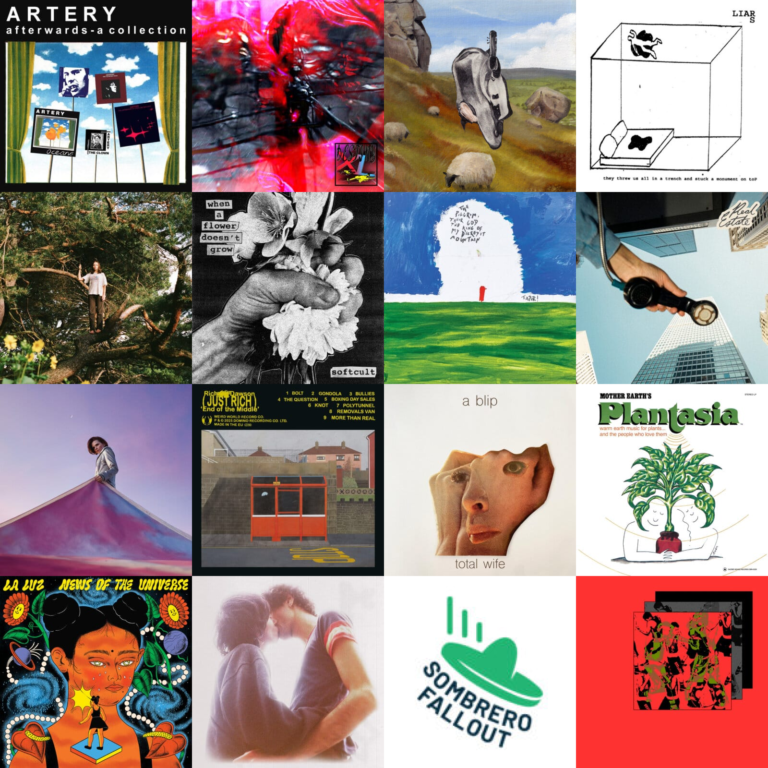
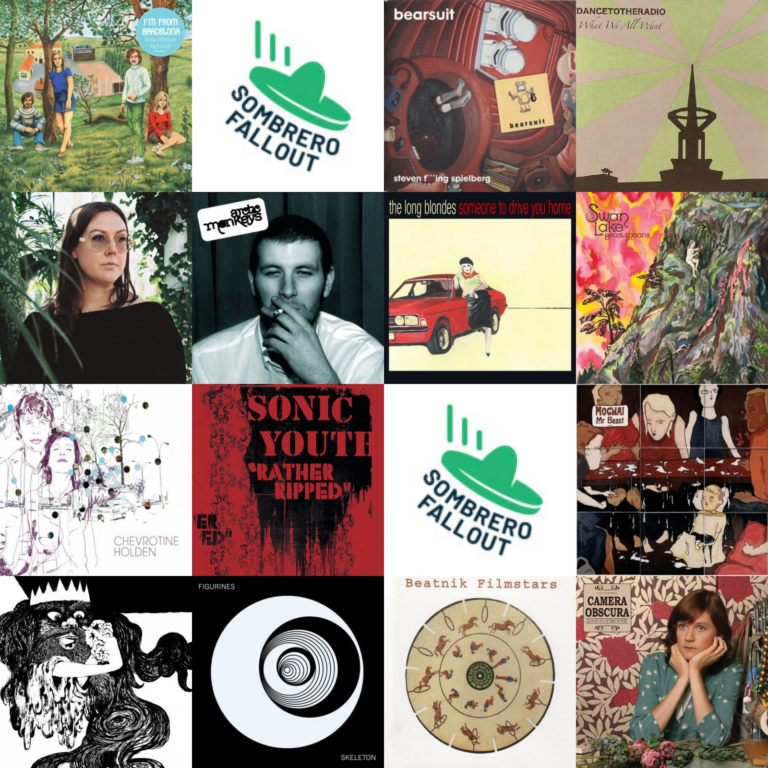
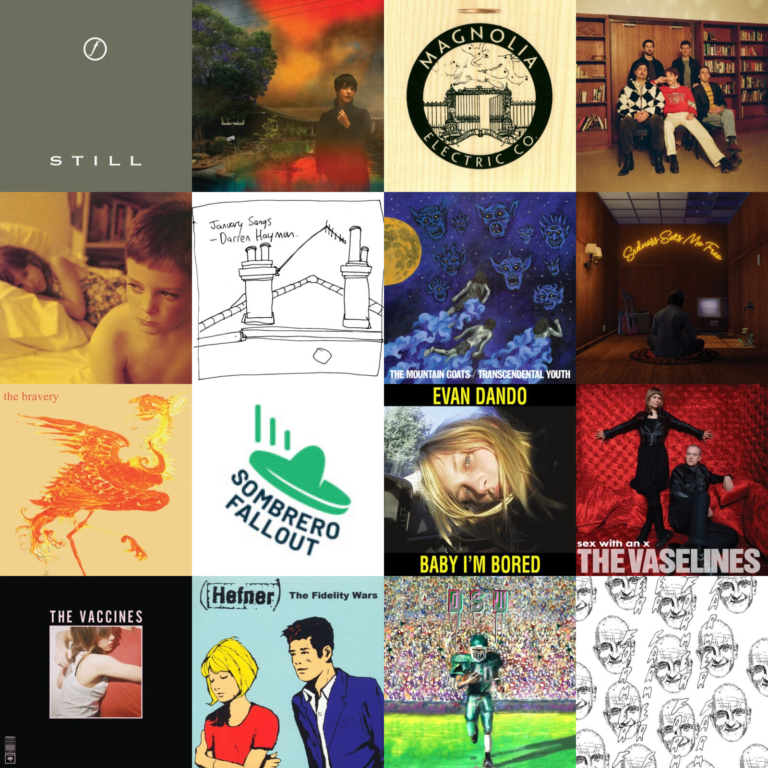
Tracklisting (15 songs)
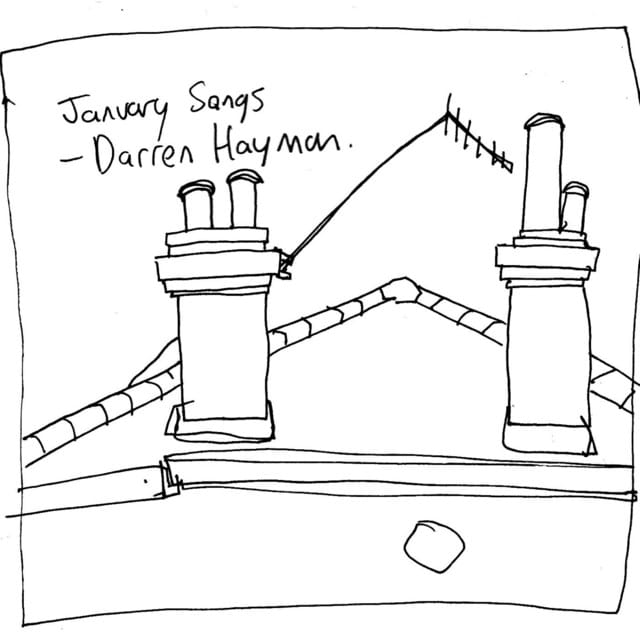
I Know I Fucked Up
- Band/Artist:
- Darren Hayman
North Star
- Band/Artist:
- Magnolia Electric Co.

Why Do You Do This to Yourself
- Band/Artist:
- Evan Dando

Mistakes
- Band/Artist:
- Caamp
Mistakes
- Band/Artist:
- Sharon van Etten
An Honest Mistake
- Band/Artist:
- The Bravery
Bad Friend
- Band/Artist:
- Gruff Rhys

Post Break-Up Sex
- Band/Artist:
- The Vaccines
Sex With An X
- Band/Artist:
- The Vaselines

Former Farmer
- Band/Artist:
- Crash the superyacht
The Hymn for the Things We Didn’t Do
- Band/Artist:
- Hefner
Sorry
- Band/Artist:
- Alex G
Debonair
- Band/Artist:
- Afghan Whigs
The Only Mistake
- Band/Artist:
- Joy Division
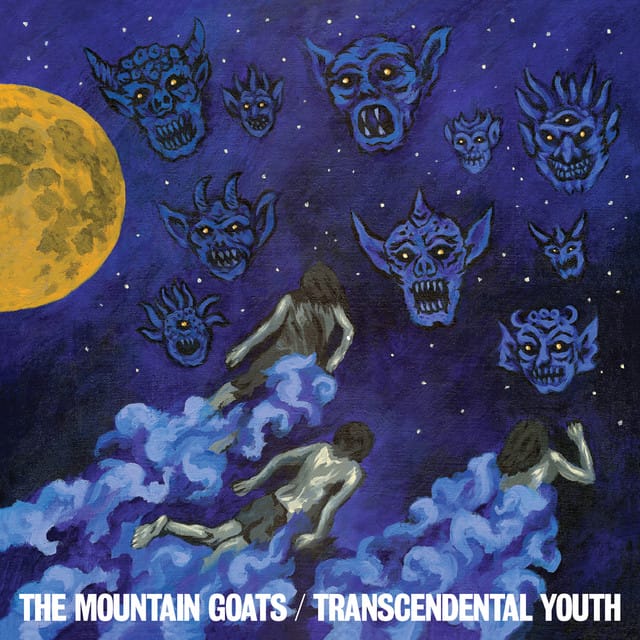
Cry for Judas
- Band/Artist:
- The Mountain Goats