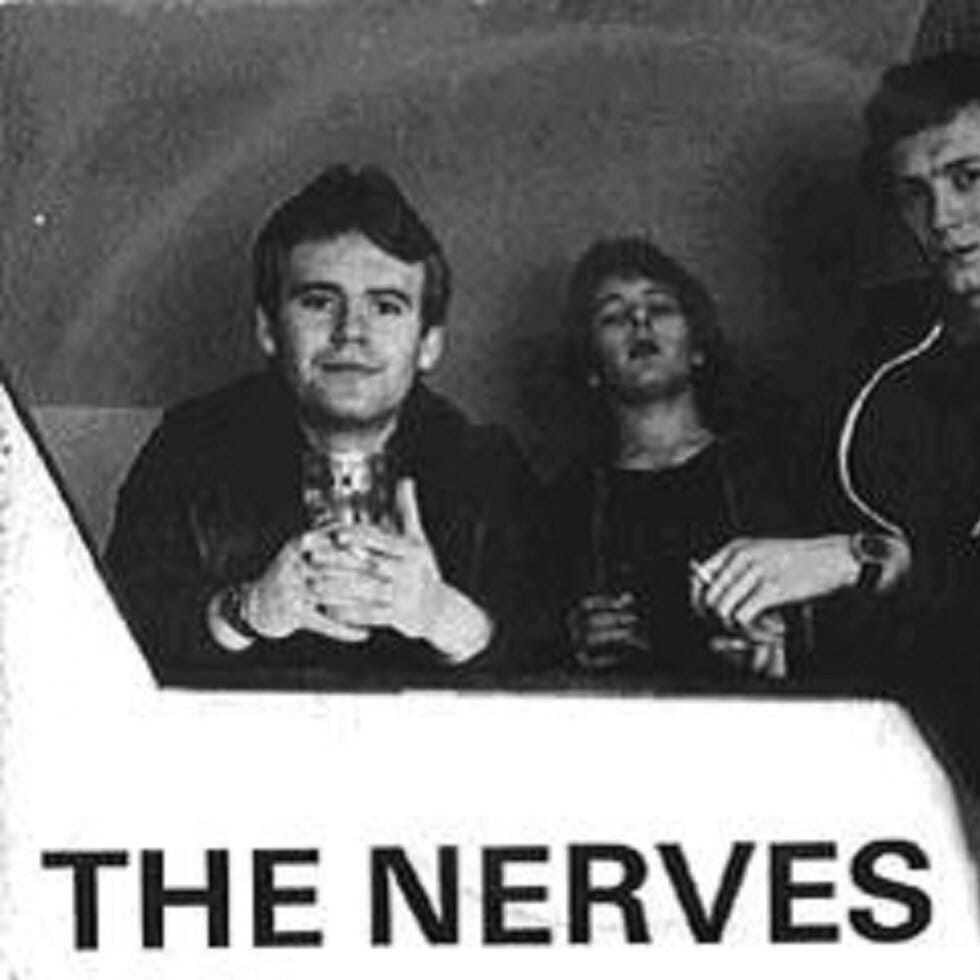
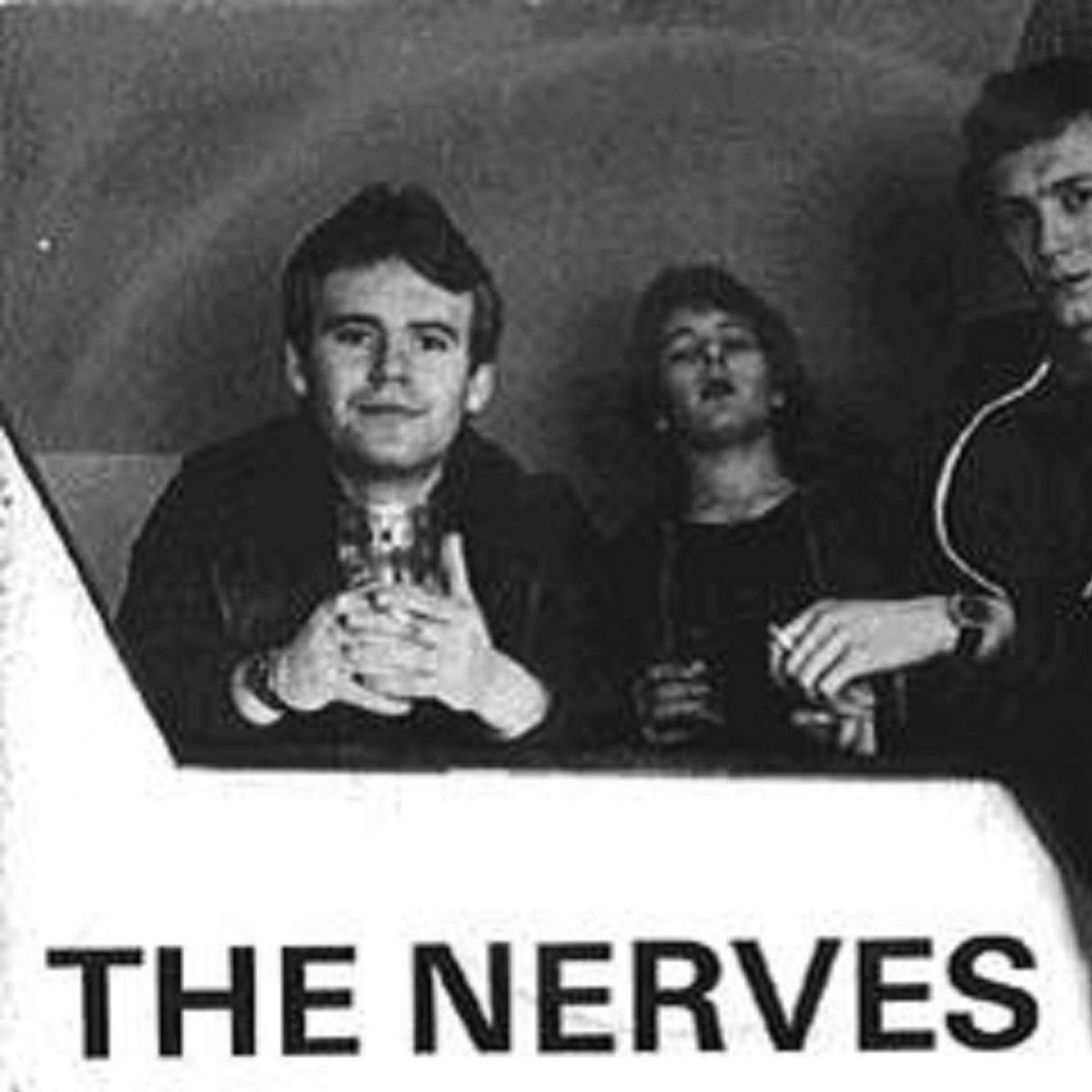
The Nerves, a seminal power pop trio from Los Angeles, carved out a distinct niche in the late 1970s music scene with their razor-sharp melodies and stripped-down sound. Though their career was brief, the band’s influence has echoed through decades, resonating with both fans and musicians alike. Comprised of Peter Case, Paul Collins, and Jack Lee, The Nerves were pioneers of the indie DIY ethic long before it became a widespread movement, recording and releasing their own music independently. Their 1976 self-titled EP, featuring the now-classic “Hanging on the Telephone,” remains a touchstone for power pop enthusiasts.
Drawing inspiration from British Invasion bands like The Beatles and The KinksThe Kinks, as well as American garage rock and early punk, The Nerves blended these influences into a sound that was both nostalgic and refreshingly original. Their music combined the immediacy and energy of punk with the melodic hooks of classic pop, which set them apart from many contemporaries. Jack Lee’s songwriting, in particular, was noted for its economy and catchiness, crafting songs that felt both timeless and urgent.
One of the most famous anecdotes surrounding The Nerves is the journey of “Hanging on the Telephone.” The song gained wider recognition when Blondie covered it on their 1978 album Parallel Lines, bringing the track to a much larger audience. This cover helped cement The Nerves’ legacy, even as the band itself had already disbanded. Blondie’s version is often credited with popularising the song, but it remains a testament to The Nerves’ songwriting prowess that it could be so effectively reinterpreted.
Despite their short lifespan, The Nerves have been cited as an influence by numerous bands, particularly in the power pop and indie rock scenes. Groups like The Bangles, The Replacements, and even contemporary acts have acknowledged the trio’s role in shaping a melodic yet edgy sound that balances rawness with pop sensibility. Their DIY approach and commitment to songwriting craft continue to inspire musicians who seek to marry accessibility with authenticity.
The Nerves’ impact is perhaps most remarkable considering their limited discography and brief period of activity. They never released a full-length album during their existence, yet their music has endured, often rediscovered by new generations of listeners. This enduring appeal speaks to the band’s unique position as a bridge between the garage rock of the 1960s and the burgeoning alternative scenes of the late 20th century, marking them as one of Los Angeles’ most influential underground acts.