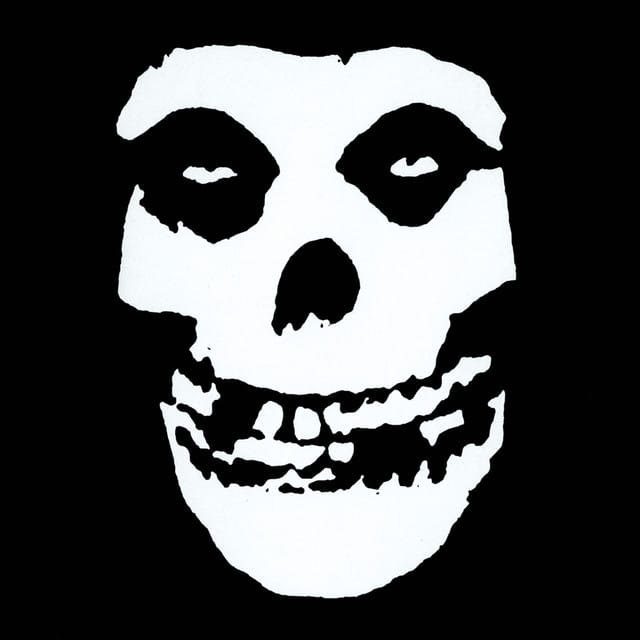
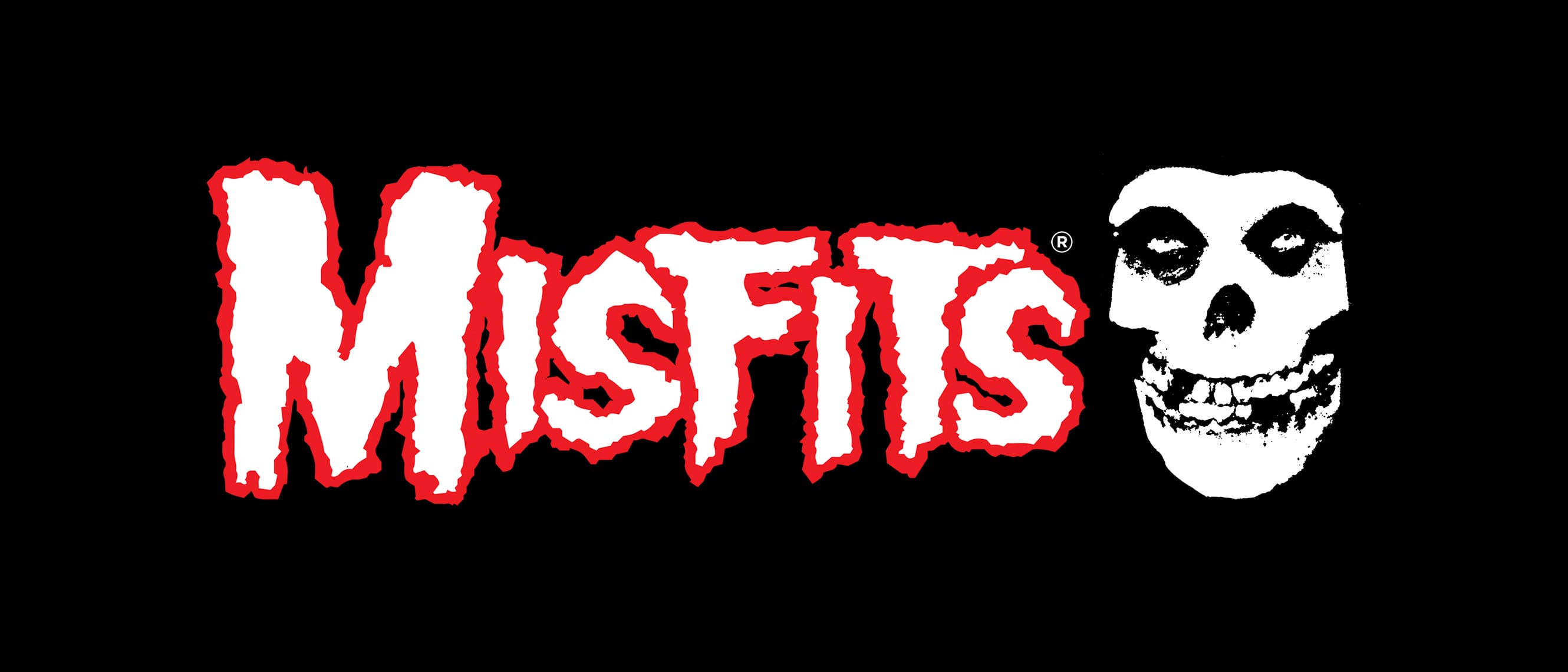
The Misfits, hailing from Lodi, New Jersey, are more than just a band—they are the architects of horror punk, a genre that blends the raw aggression of punk rock with macabre and B-movie horror themes. Formed in 1977 by Glenn Danzig, the Misfits carved out a niche that was as visually striking as it was sonically aggressive, thanks to their iconic “Crimson Ghost” skull logo and theatrical stage presence. Their music, characterised by fast tempos, catchy melodies, and Danzig’s distinctive vocal delivery, set them apart from their contemporaries and created a cult following that persists decades later.
The band’s influences are a fascinating mix, drawing from the primal energy of early punk bands like the Ramones and the Stooges, while also weaving in the dark, gothic atmospheres of horror films and literature. Glenn Danzig’s fascination with horror and sci-fi cinema heavily shaped the lyrical content, making each song feel like a mini horror story, complete with references to cult films and supernatural themes. This fusion of punk ethos and horror aesthetics not only defined their sound but also influenced the visual and thematic direction of countless bands that followed.
The Misfits’ impact on the music world is vast, with bands across genres citing them as a foundational influence. Metallica, for example, famously covered several Misfits songs and have spoken openly about how the band’s raw energy and distinctive style inspired their own approach to music. Similarly, punk and alternative bands from the 1990s and beyond, such as Green Day and NOFX, have acknowledged the Misfits’ role in shaping the punk landscape. Their influence extends beyond music into fashion and pop culture, where the Misfits’ skull logo remains a ubiquitous symbol of rebellious youth.
One of the most famous anecdotes about the band involves their tumultuous relationship with their own legacy. After the original lineup disbanded in the early 1980s, Glenn Danzig retained the rights to the Misfits name and music, leading to legal battles with former members Jerry Only and Doyle Wolfgang von Frankenstein. This feud culminated in the 1995 reunion of the band without Danzig, a move that divided fans but also introduced the Misfits to a new generation. The story highlights the complex dynamics of band ownership and the passionate attachment fans have to the original lineup’s work.
Beyond their music and legal dramas, the Misfits have maintained a mystique that keeps them relevant. Their live shows, often featuring horror-themed theatrics and a dedicated fanbase known as the “Fiend Club,” create an immersive experience that transcends typical punk concerts. This connection to their audience, combined with their distinct aesthetic and uncompromising sound, ensures that the Misfits are not just a band frozen in time but a continuing influence on the culture of punk and beyond.