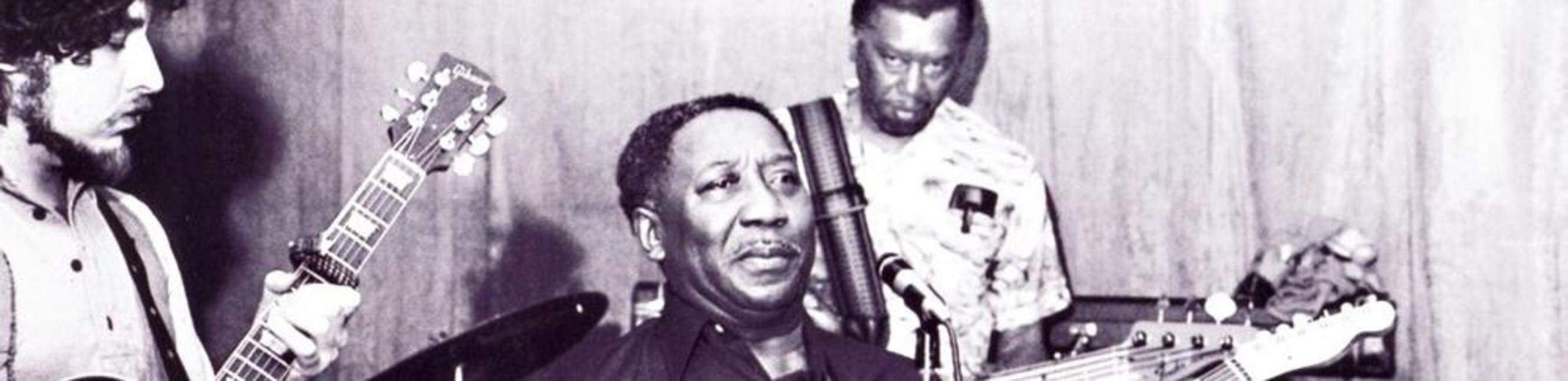
Muddy Waters, born McKinley Morganfield in Mississippi, is often hailed as the father of modern Chicago blues, a genre that shaped the very foundation of rock and roll. His journey from the Mississippi Delta to the bustling urban landscape of Chicago mirrors the migration of blues itself, evolving from acoustic country blues into a more electrified, urban sound. This transformation not only defined Muddy Waters’ signature style but also laid the groundwork for countless musicians who followed. His mastery of the slide guitar and his deep, resonant voice created a raw, powerful sound that captured the struggles and spirit of African American life in the mid-20th century.
The influences on Muddy Waters were deeply rooted in the Delta blues tradition, with legends like Son House and Robert Johnson playing pivotal roles in shaping his musical identity. Waters absorbed their haunting, emotive storytelling and rhythmic complexity but injected a new energy with his electrified band that included future stars like Little Walter and Buddy Guy. His ability to blend traditional blues with urban sensibilities made his music accessible to a wider audience, bridging the gap between rural blues and the burgeoning rock scene.
Muddy Waters’ impact on other artists is monumental. The Rolling Stones famously took their name from Waters’ song “Rollin’ Stone,” and they openly credited him as a primary influence in their early sound. Similarly, Eric Clapton, The Yardbirds, and Led Zeppelin all drew heavily from Waters’ music, often covering his songs or citing him as a key inspiration. This cross-Atlantic influence helped to globalise the blues, turning it into a cornerstone of rock music worldwide. Waters’ music also inspired the British blues boom of the 1960s, which in turn influenced generations of rock musicians.
One of the most famous anecdotes about Muddy Waters involves a 1958 performance at the Newport Jazz Festival, where his electrified blues set a precedent for the integration of blues into mainstream music festivals. This performance is often credited with helping to legitimise blues music in the eyes of a predominantly white audience, breaking down racial and musical barriers. It was a pivotal moment that showcased the power and appeal of electric blues, influencing the festival circuit and the music industry’s approach to blues artists.
Despite his profound influence, Muddy Waters remained deeply connected to his roots, often returning to Mississippi and maintaining a sense of humility and authenticity throughout his career. His legacy is not just in the notes he played but in the cultural bridge he built between the rural South and the urban North, between African American musical traditions and mainstream popular music. Muddy Waters didn’t just play the blues—he transformed it, ensuring its survival and relevance for future generations.