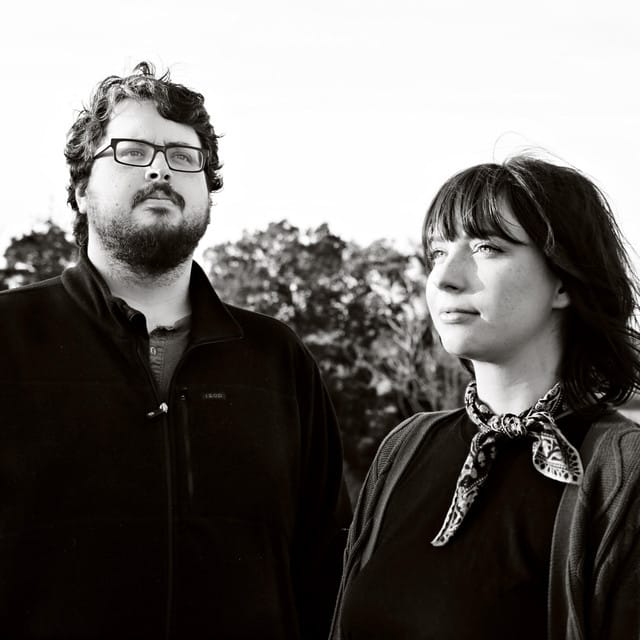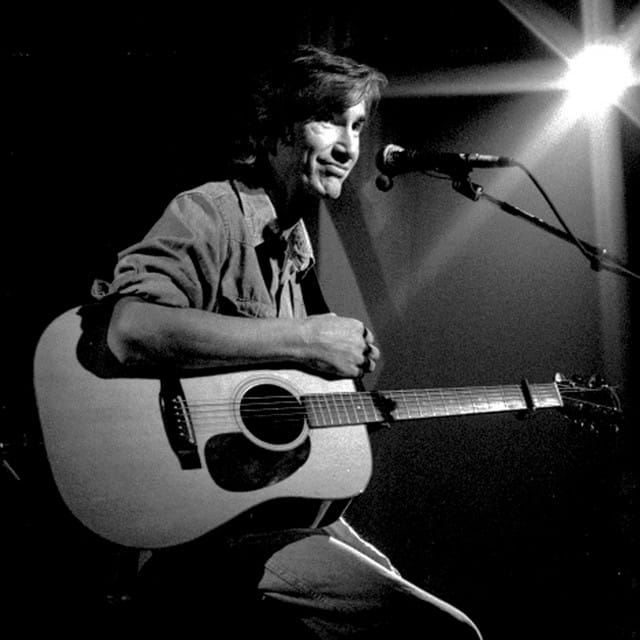
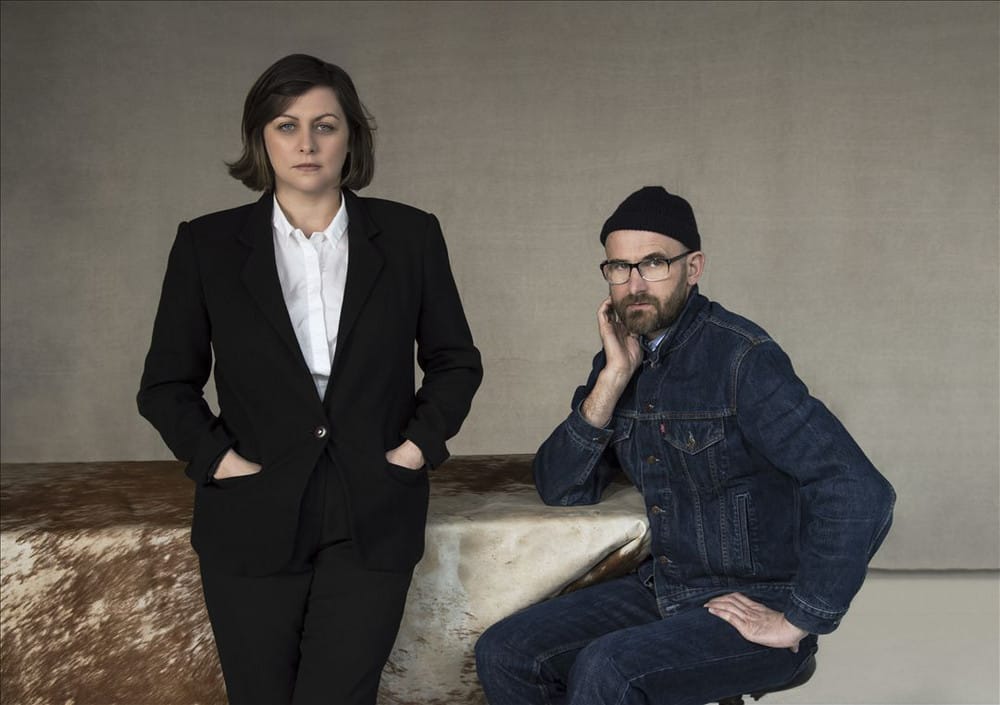
Tracyanne & Danny are a Glasgow-based duo formed by Tracyanne Campbell (formerly of Camera Obscura) and Danny Coughlan (who records as Crybaby). Their partnership officially surfaced in 2018 after years of mutual admiration and intermittent collaboration; the self-titled debut album, released in 2018, captures a small-club intimacy that feels exactly like two experienced songwriters stripping back to what matters — melody, conversational lyricism, and the chemistry of voice meeting guitar. Glasgow’s long tradition of literate, melancholic pop informs their sound without smothering it: the city’s history of DIY community and civic-minded arts practice is audible in the record’s careful arrangements and in the way the songs prioritise empathy over spectacle.
Influences are plainly visible without ever being parroted. Tracyanne’s Camera Obscura pedigree brings a lineage of 1960s-inspired pop and the Northern soul-inflected tenderness of late ’00s indie, while Coughlan’s writing carries the smoky noir of Tom Waits and the widescreen romanticism of Scott Walker. They share a love for classic pop-structure — think Burt Bacharach’s compositional elegance — but temper it with the spare, confessional economy of Nick Drake or early PJ Harvey. That blend gives their music a timeless quality: you hear references and touchstones, yet the arrangements and vocal interplay keep each song singular rather than pastiche.
Other artists have praised Tracyanne & Danny’s work, particularly those who value songwriting craft over radio-ready gloss. Members of the contemporary Scottish scene — younger indie songwriters and long-standing peers — frequently point to Tracyanne’s career (mostly through Camera Obscura) as proof that earnest pop can retain political and emotional intelligence. While there aren’t blockbuster lists of bands citing the duo specifically as a seismic influence yet, their reputations within songwriter circles—especially among female-fronted bands and those who combine literate lyrics with classic pop forms—are quietly significant. In short, their influence is cumulative and community-based: they model a way of writing and touring that foregrounds respect, collaboration and sustainability.
Anecdotes about the duo underline the low-key, humane character of the project. The record’s sessions were deliberately intimate — much of it recorded in smaller studios and living-room settings rather than high-budget facilities — reflecting both logistical pragmatism and an aesthetic choice to keep textures immediate and human. There’s a well-circulated story among fans about a spontaneous live performance in a tiny Glasgow bookshop where an audience member wept openly during a particular set; the band stopped between songs to reassure and talk about grief and recovery, transforming a gig into a genuine communal moment. That kind of domestic, politically aware hospitality — addressing mental health, care and community in small gestures rather than headline-grabbing manifestos — is central to how many supporters respond to them.
Politically, Tracyanne & Danny sit comfortably within a left-leaning, socially conscious tradition without converting their music into polemic. Their politics are embedded in practice: ethical touring choices, collaborative relationships with small independent labels and venues, and a refusal to chase trends. Musically and ethically they trace a line from Glasgow’s cooperative arts networks to broader debates about cultural infrastructure and artist welfare. For listeners who want songs that are both personal and public-minded, their work offers a model of how delicate, intelligent pop can still be an act of community building.