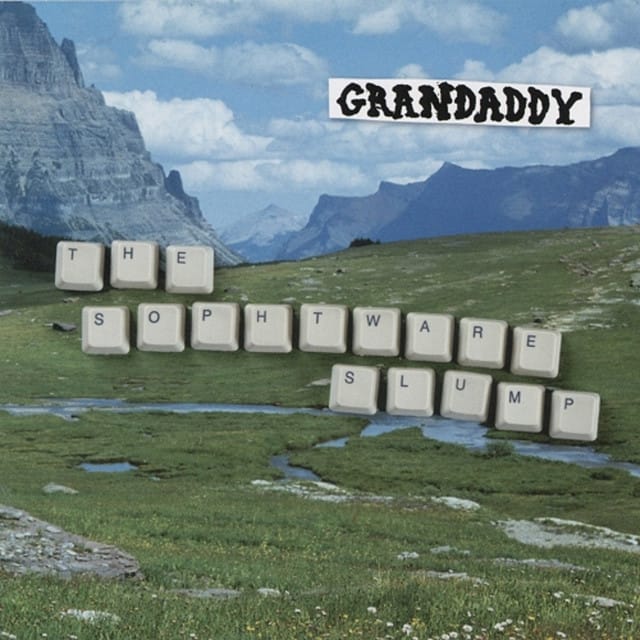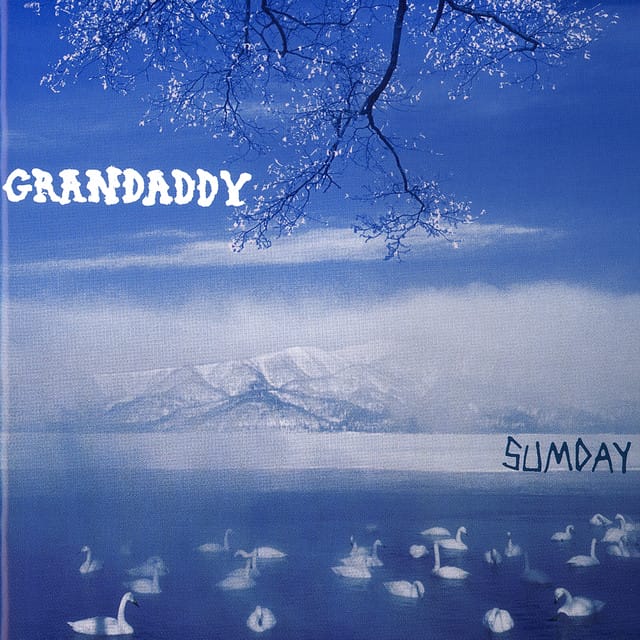
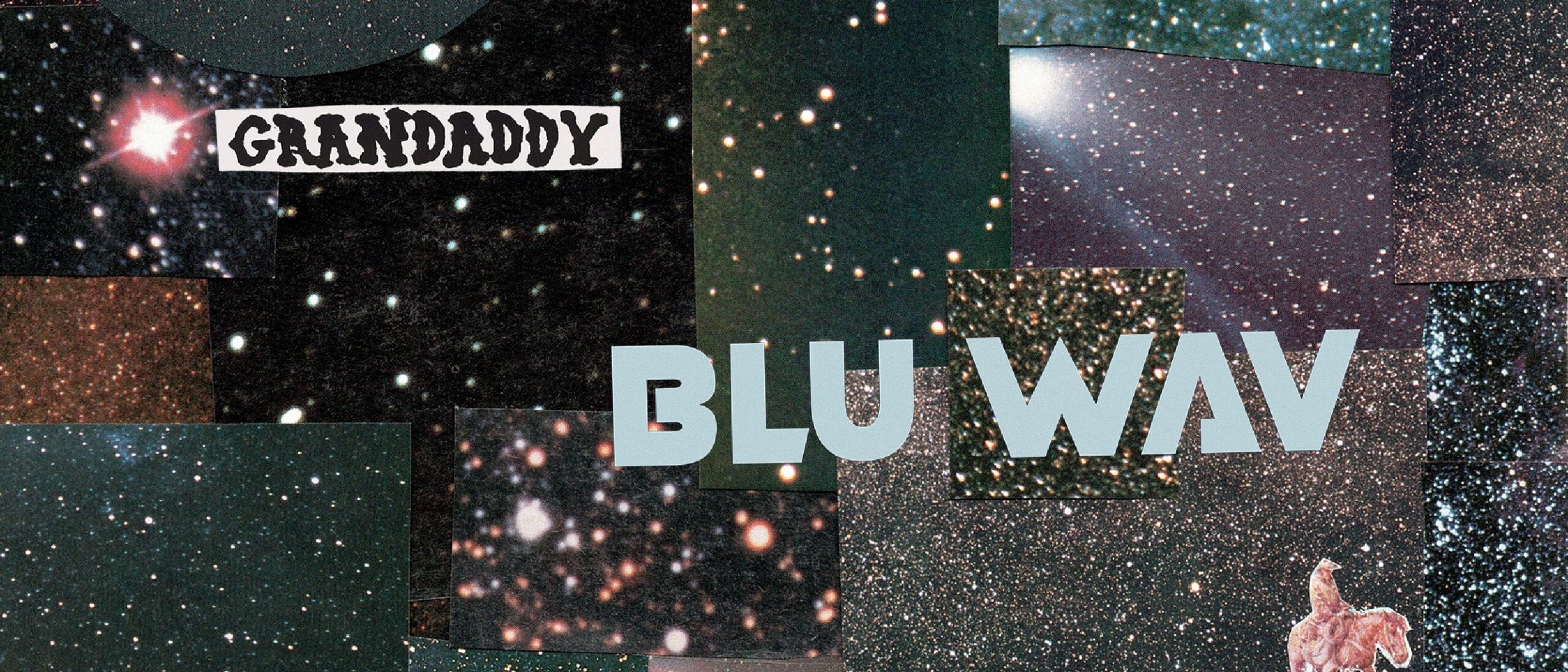
Grandaddy, hailing from Modesto, California, carved out a unique niche in the indie rock landscape with their blend of lo-fi aesthetics and lush, synth-driven melodies. Formed in the early 1990s by Jason Lytle, the band’s sound is a fascinating fusion of 70s progressive rock, electronica, and Americana, creating a wistful yet futuristic atmosphere in their music. Their 2000 album, The Sophtware Slump, is often hailed as a landmark in indie music, notable for its melancholic narratives about technology and human connection, themes that resonated deeply at the dawn of the new millennium.
Grandaddy’s influences are a curious mix, ranging from the pastoral folk of Neil Young to the electronic experimentation of Kraftwerk. Jason Lytle’s songwriting often reflects a deep affection for the natural world juxtaposed against the encroachment of technology, a motif that channels the spirit of bands like The Flaming Lips and Radiohead, though Grandaddy’s approach remains distinctly their own. Their sound incorporates vintage synthesizers and analog equipment, lending their records a warm, textured feel that contrasts with the often cold subject matter.
One of the more intriguing anecdotes about Grandaddy involves their near-mythical status among other musicians. The band’s influence has quietly permeated the work of artists such as Modest Mouse and The Shins, both of whom have acknowledged the impact of Grandaddy’s emotive storytelling and sonic experimentation on their own music. Despite never achieving massive commercial success, Grandaddy’s cult following and critical acclaim have ensured their place as a touchstone for indie bands exploring the intersection of nature, technology, and human emotion.
Their live performances have also become the stuff of legend, with Jason Lytle’s charismatic yet understated stage presence creating an intimate atmosphere that belies the often sprawling, cinematic quality of their studio work. A famous moment in their history occurred during a 2003 show when their equipment was stolen, forcing them to perform an impromptu acoustic set that fans still talk about for its raw emotional power and spontaneity.
After a hiatus beginning in 2006, Grandaddy reunited in 2012, much to the delight of their devoted fanbase. Their return was marked by new releases that maintained their signature sound while exploring fresh lyrical territory. This comeback not only reaffirmed their relevance but also introduced their music to a new generation, cementing Grandaddy’s legacy as one of the most quietly influential bands of their era.