
The Radio Dept. formed in Lund, Sweden, in 1995, initially around Johan Duncanson and Martin Larsson. Their name came from a Stockholm shop called Radioavdelningen, and the band’s music soon developed into a striking contrast: hazy, carefully layered pop that could sound romantic on the surface while carrying a distinctly sceptical view of politics, media and consumer culture underneath.
Their early recordings were shaped by British and American indie-pop, especially the shimmering guitar music associated with Sarah Records and Creation Records. The Jesus and Mary Chain’s feedback, My Bloody Valentine’s blurred textures, Broadcast’s retro-futurist cool and the C86 tradition all provide useful reference points, but The Radio Dept. never functioned as a simple revival act. They combined those influences with Swedish melancholy, electronic detail and a fondness for repetition, making songs that felt both intimate and strangely distant.
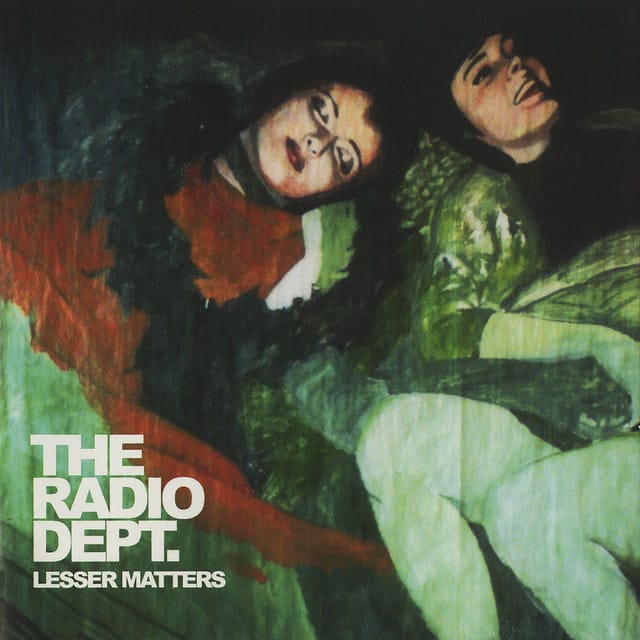
The band’s breakthrough came with Lesser Matters in 2003, an album assembled from earlier singles and recordings that gave their sound a fuller international audience. Its mixture of chiming guitars, drum machines and subdued vocals was often described as dream pop, though that label only tells part of the story. Tracks such as “Keen on Boys” and “Why Won’t You Talk About It?” use sweetness almost deceptively: beneath the soft-focus production are tensions about emotional withdrawal, sexual politics and the difficulty of communication.
One of the best-known stories attached to the group concerns Sofia Coppola’s 2006 film Marie Antoinette. The Radio Dept.’s “Pulling Our Weight” appeared on the soundtrack, alongside music by artists including New Order, Siouxsie and the Banshees and Bow Wow Wow. The placement introduced the band to listeners who might never have encountered their independent releases, while also fitting Coppola’s particular talent for using contemporary music to make historical settings feel psychologically immediate.
The Radio Dept. have also become known for maintaining a guarded, sometimes combative relationship with the music industry. Their later work, particularly Clinging to a Scheme and Running Out of Love, made the political element increasingly explicit, addressing subjects such as nationalism, austerity and corporate power without abandoning the band’s soft, meticulously controlled sound. They are frequently mentioned alongside the broader influence of Swedish indie pop, shoegaze and dream pop, but direct claims from major bands that The Radio Dept. were a defining influence are comparatively scarce; their impact is clearer in the many subsequent artists who adopted their combination of gauzy production, economical songwriting and quietly pointed lyrics.