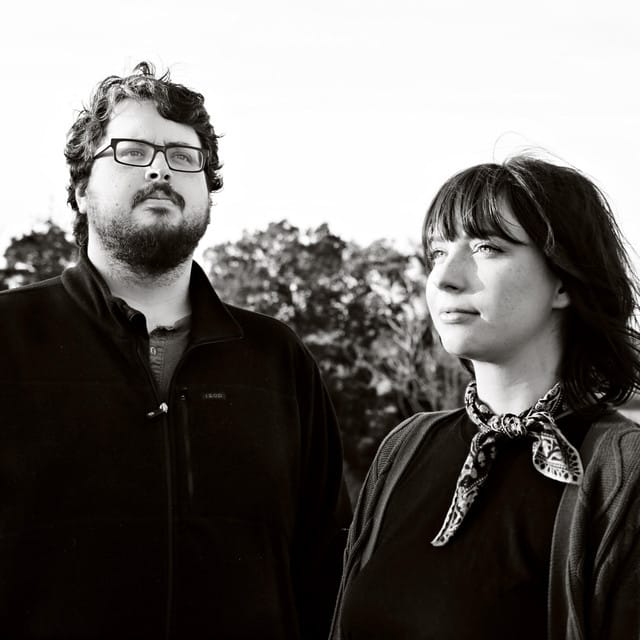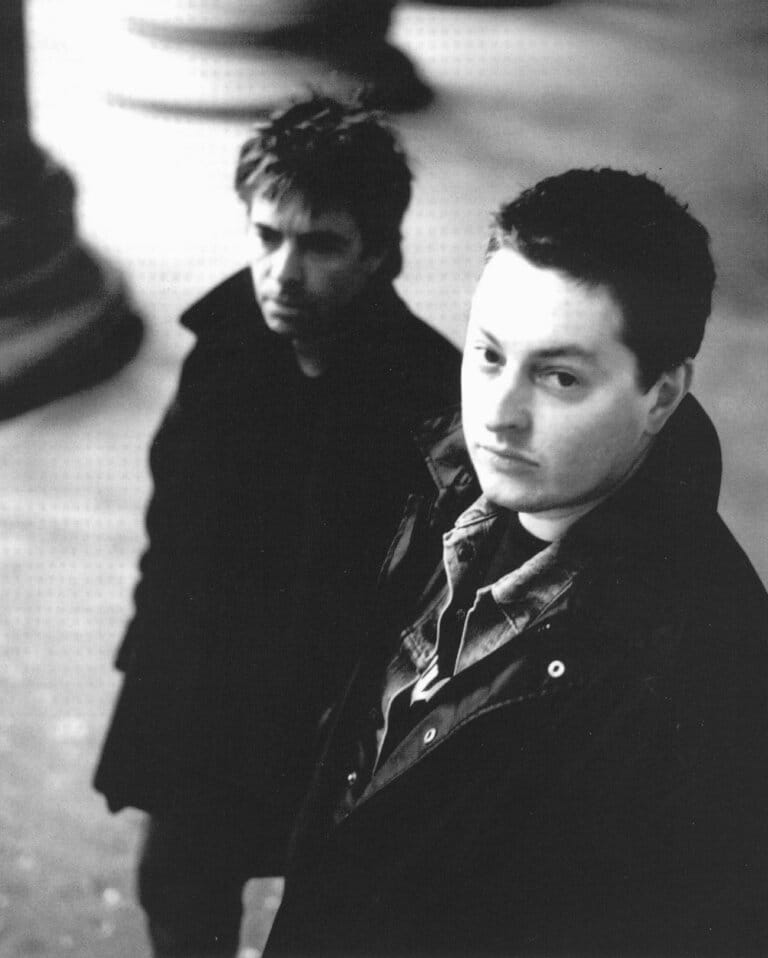

The Clientele formed in London in the mid-1990s, built around songwriter Alasdair MacLean, guitarist James Hornsey and drummer Mark Keen. Their music has always sounded unusually detached from the trends surrounding it: intimate, softly played and steeped in the sensation of walking through familiar streets after dark. Rather than treating London as a backdrop, the band turned it into a source of mood—its suburban pavements, railway lines, winter parks and half-lit rooms recur throughout their songs with the force of private memory.
Their influences reach back to British guitar pop and psychedelia, particularly the close harmonies and melodic economy associated with the Byrds, the pastoral strangeness of early Pink Floyd and the refined melancholy of 1960s pop groups such as the Zombies. There are also traces of French pop, jazz-inflected drumming and literary impressionism in their work. MacLean’s lyrics rarely explain themselves in a conventional narrative; instead, they gather details—weather, trees, empty stations, old photographs—until a song feels like a recollection whose meaning is just out of reach.
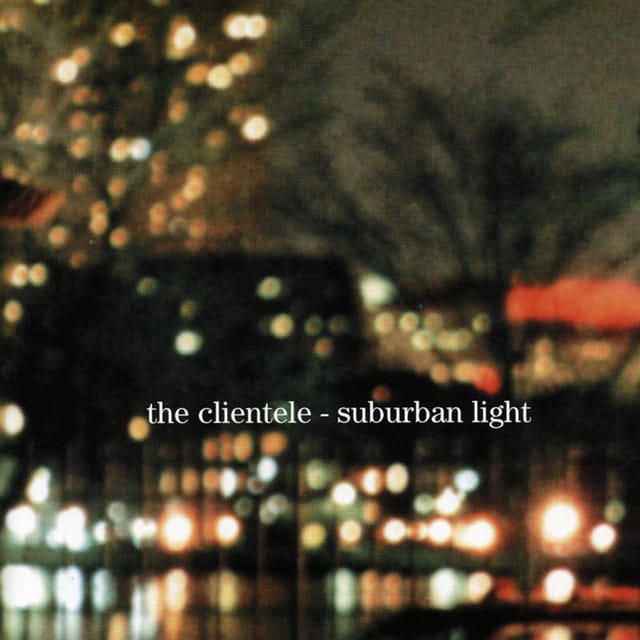
The Clientele’s early recordings helped establish their reputation through word of mouth rather than a major promotional campaign. Their first single, “I Had Too Much to Dream Last Night”, appeared in 1997 on the small label March Records, and the band’s early releases circulated among listeners drawn to obscure, carefully made guitar music. Their debut album, Suburban Light (2000), collected singles and recordings from that period and became the clearest statement of their aesthetic: chiming guitars, restrained performances and songs that seem to hover between waking life and dreams without ever becoming vague.
A notable part of the band’s history is the way MacLean’s songwriting developed alongside his interest in poetry, painting and the visual texture of ordinary places. The Clientele’s songs can feel almost cinematic, but they do not depend on grand arrangements; small shifts in guitar tone or harmony often do the work of a scene change. The group’s later records, including The Violet Hour and God Save the Clientele, expanded their palette with strings, woodwind and more intricate arrangements while preserving the fragile, homemade quality that had made the early singles distinctive.
The Clientele have been admired by musicians in the wider indie and psychedelic-pop community, although their influence is less often expressed through famous direct quotations than through the steady presence of their sound in later guitar music. Their work helped make room for bands that valued atmosphere, literary detail and understated musicianship over obvious revivalism. What remains most distinctive is their consistency: even when the arrangements become richer, The Clientele still sound like a band listening closely to a particular kind of silence—the moment when a London street, remembered years later, becomes more vivid than it ever was in reality.