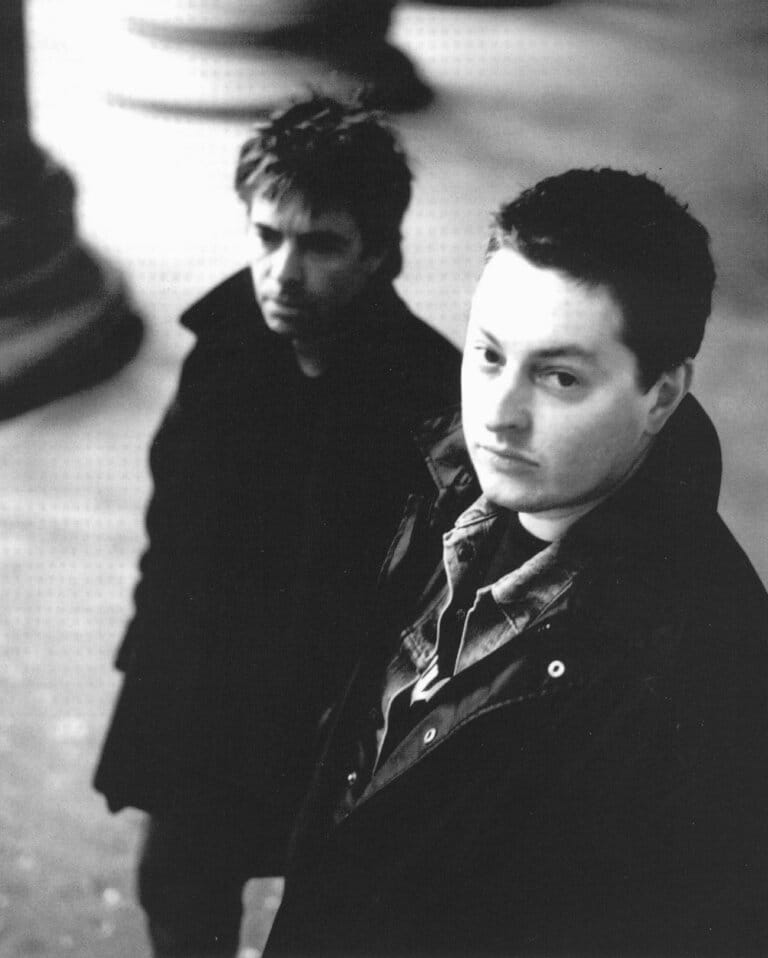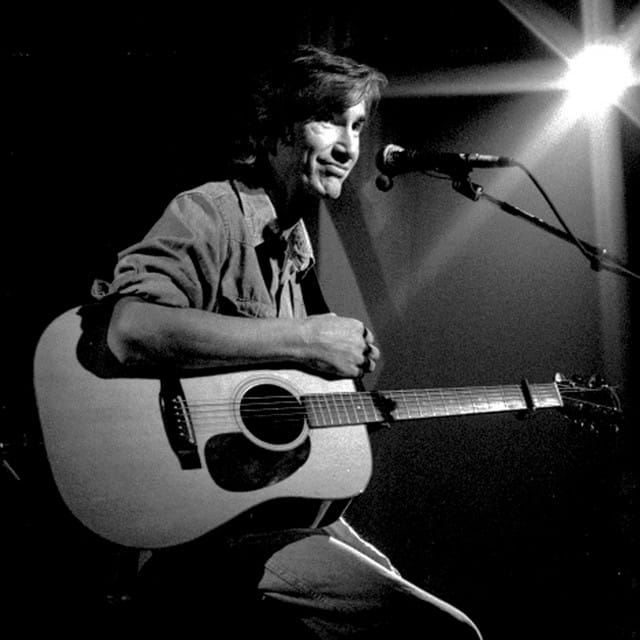

Formed in Glasgow in the late 1970s, The Blue Nile built one of the most distinctive catalogues in British pop without ever behaving like a conventional pop group. Paul Buchanan, Robert Bell and Paul Joseph Moore approached songwriting with unusual patience, allowing atmosphere, silence and carefully chosen electronic textures to carry as much weight as the melodies. Their music often sounds urban and nocturnal: streetlights, empty rooms, late trains and the emotional afterimage of a relationship become part of the arrangement.
The group’s early work was shaped by American soul and R&B, European electronic music, film soundtracks and the spacious production associated with artists such as Brian Eno. Buchanan’s voice—weathered, intimate and slightly behind the beat—gave even the most synthetic passages a human vulnerability. The Blue Nile were also attentive to the sophistication of classic pop and soul songwriting, but they avoided reproducing those influences literally; instead, they filtered them through drum machines, synthesizers and an almost painterly sense of restraint.
Their first album, A Walk Across the Rooftops (1983), arrived through Linn Records, a Glasgow company better known for high-end hi-fi equipment than for launching pop careers. That setting helped create one of the band’s most enduring stories: Linn’s founder, Ivor Tiefenbrun, reportedly became convinced that the group’s music could demonstrate the quality of the company’s equipment. The result was an album whose clarity became part of its identity, with songs such as ‘The Downtown Lights’ combining polished studio sound with a melancholy that no technical precision could disguise.
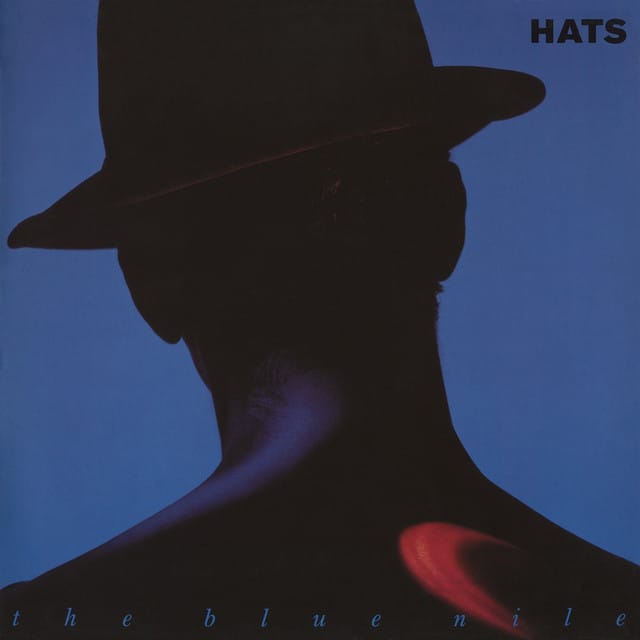
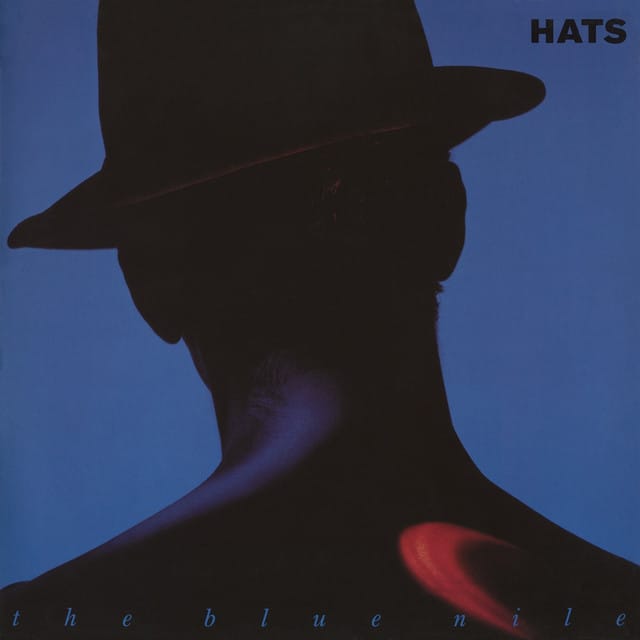
The Blue Nile’s relationship with recording was famously slow and exacting. Hats (1989), often regarded as their finest record, was made over an extended period and turns hesitation into an artistic method: its songs feel less like finished declarations than thoughts still unfolding. Buchanan has spoken about the difficulty of making records and about the pressure created by expectations, while the band’s sparse public profile encouraged listeners to focus on the work rather than on a carefully maintained mythology.
Their influence is most clearly heard in artists drawn to intimate, atmospheric songwriting and understated electronic production. The Blue Nile have been admired by musicians including Peter Gabriel, who became an important supporter, and have been cited or praised by acts such as The National and Annie Lennox; their wider impact can also be felt in the work of later artists who treat space, understatement and studio texture as central compositional tools. They never became a stadium-sized band, but that was part of their significance: The Blue Nile made emotionally expansive music while remaining stubbornly private, turning limitation, delay and quietness into a sound that still feels singular.