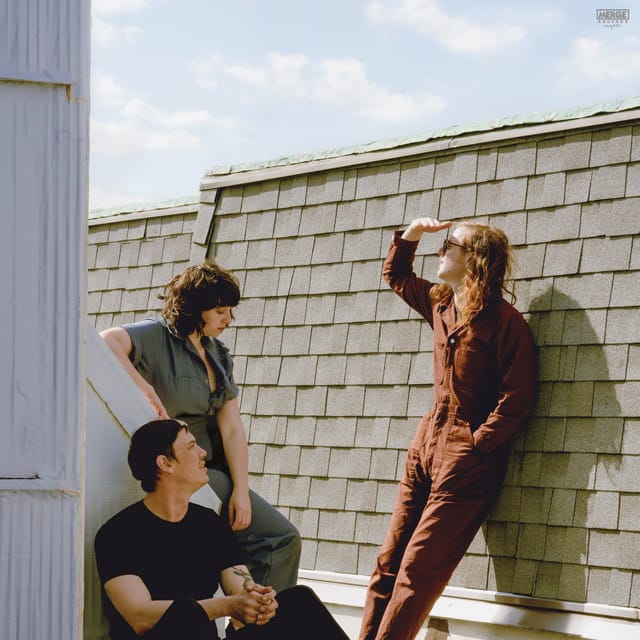
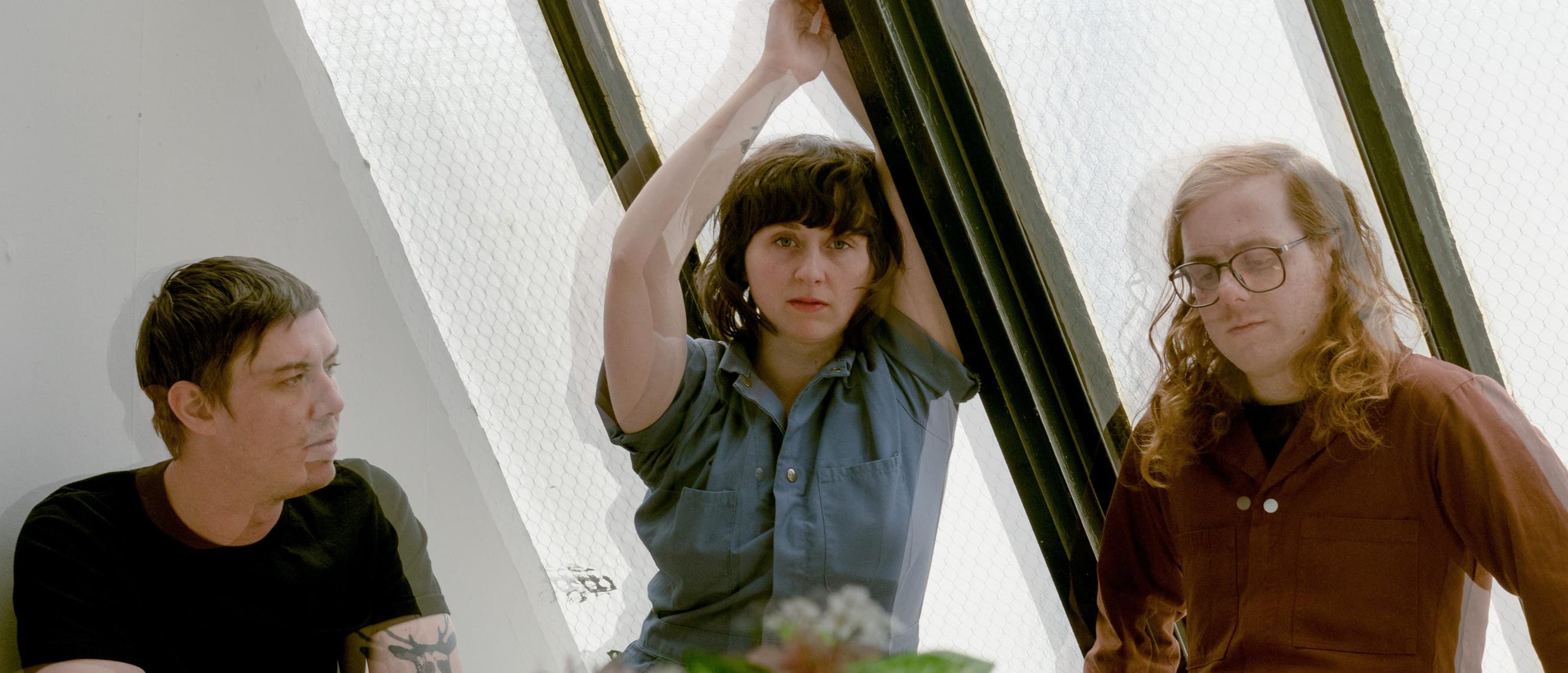
Swearin’ — a scrappy, tuneful outfit that grew out of Philadelphia’s fertile DIY scene in the late 2000s — made a habit of sounding both immediate and unsettled, like someone singing candidly right after a tense argument. Formed by Allison Crutchfield (vocals, guitar) and her then-partner Kyle Gilbride (guitar, production) after their time in earlier punk-adjacent projects, the band anchored itself in Philly but always felt interstate: steeped in the Northeast DIY circuit, borrowing stringency from Boston’s lo-fi tradition and the melodic urgency of Washington, D.C. indie scenes. Their early records — particularly their self-titled debut and 2011’s Surfing Strange — found a middle ground between ragged emotional honesty and a knack for big hooks, a combination that made them sound like a diary you couldn’t stop humming.
Influences are unmistakably rooted in the lineage of American underground guitar music: the melodic directness of early R.E.M. and the emotional bluntness of Yo La Tengo, mixed with the bite of Riot Grrrl and the rougher edges of early-90s alt-rock. Allison’s voice carries a clarity and conversational cadence that pairs well with Kyle’s jagged, chiming guitar textures; together they refracted those influences into tidy pop structures that still felt lived-in. Critics often placed them alongside contemporaries from the DIY world — bands that valued honesty and community over polish — but Swearin’ wrote songs that could have, in another life, been radio-ready without losing their raggedness.
The band’s place in the indie ecosystem is interesting because of what came after: Allison Crutchfield went on to form the more polished, synth-tinged project Swearin’ alum and sister-oriented project — and later entirely new work — while other members continued to circulate through Philadelphia’s collaborative scenes. Swearin’ themselves have been cited by younger acts who look to the group’s blend of vulnerability and pop craft as a model for doing both political and personal songwriting without sounding preachy. While they’re not commonly referenced in stadium-band origin stories, in the tighter circles of DIY and indie-pop, their approach to songwriting — concise, emotionally bright yet brittle — left a clear impression that you can trace in a number of 2010s singer-songwriter and guitar-pop bands. Interestingly, Allison’s twin sister is Katie Crutchfield of Waxahatchee fame.
There are a few memorable anecdotes that colour the band’s reputation. One oft-repeated story involves the intensity of their early touring ethos: shows where the band and audience blurred into the same conversation, sometimes literally — members would jump offstage mid-song to sing from the crowd, turning living rooms and basements into rooms of collective confession. Another moment that stuck was how the band handled lineup and personal changes with a mix of pragmatism and blunt honesty; their breakup and eventual reunions were never shrouded in mystique, but rather framed in interviews as the messy business of real relationships and logistical realities, which only reinforced their image as a group forged by the same contradictions their songs explore.
Politically, Swearin’ fit naturally into the left-leaning, DIY ethics of their scene: they played benefit shows, worked with small independent labels, and insisted on accessible ticket prices and community-minded touring values. That stance wasn’t a piece of marketing for them — it informed their aesthetics and the way they treated audiences and peers. Listening to their records now, you hear not just melodic craft but an embedded sense of accountability: songs that attend to small domestic truths while refusing to detach from the politics of belonging and care. For anyone tracing the arc of 2010s American indie — especially the strand that valued intimacy over spectacle — Swearin’ remains a vivid, instructive example.