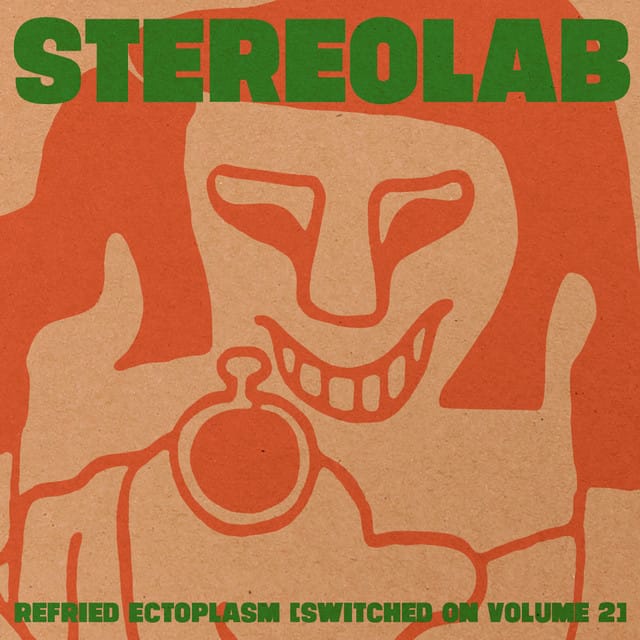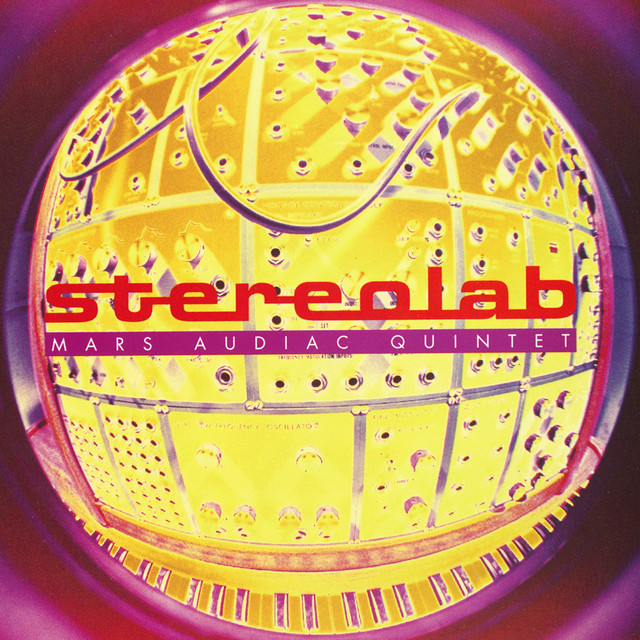

Stereolab, the band that emerged from London in the early 1990s, carved a unique niche in the indie and experimental music scenes by blending vintage pop sensibilities with avant-garde electronics and krautrock rhythms. Founded by Tim Gane and Lætitia Sadier, the group’s sound defies easy categorisation, merging influences as diverse as the motorik beats of Neu!, the lush arrangements of 1960s lounge music, and the politically charged ethos of 1970s post-punk. This eclectic fusion has made them a perennial favourite among listeners who crave something both cerebral and danceable.
One of the most fascinating aspects of Stereolab’s work is their deep engagement with political and philosophical ideas, often woven into their lyrics and album concepts. Lætitia Sadier’s French heritage and academic background in philosophy brought a distinctive intellectual edge to their music, which set them apart from many of their contemporaries. Their 1996 album Emperor Tomato Ketchup is often cited as a high point, showcasing their ability to marry catchy melodies with complex, layered production. The band’s approach to music was never about chasing trends but about creating a sound that was timeless, drawing from the past to invent something new.
Stereolab’s influence has rippled through the indie and alternative scenes, inspiring a wide range of artists. Bands like Broadcast and Deerhunter have acknowledged the impact of Stereolab’s blend of analogue warmth and electronic experimentation on their own music. The band’s pioneering use of vintage synthesizers and tape loops has also been a template for many who seek to combine retro aesthetics with modern production techniques. Despite never achieving massive commercial success, their cult status is cemented by the reverence they command among musicians and critics alike.
An intriguing anecdote about Stereolab involves their 1997 collaboration with the legendary avant-garde composer John Cage. While not a formal collaboration, the band’s admiration for Cage’s experimental ethos was evident in their willingness to embrace chance and repetition in their compositions. This philosophical alignment with Cage’s ideas about music as a process rather than a fixed product helped shape their approach to recording and live performance. It’s a testament to how Stereolab navigated the boundary between pop accessibility and experimental rigor.
Throughout their career, Stereolab maintained a fiercely independent spirit, often releasing music on their own label, Duophonic Ultra High Frequency Disks. This DIY ethic allowed them to retain creative control and foster a close connection with their fanbase. Their influence extends beyond their sound; they represent a model of artistic integrity and innovation that continues to inspire musicians who seek to push boundaries without compromising their vision. Stereolab’s legacy is one of fearless exploration, a reminder that pop music can be both fun and intellectually stimulating.