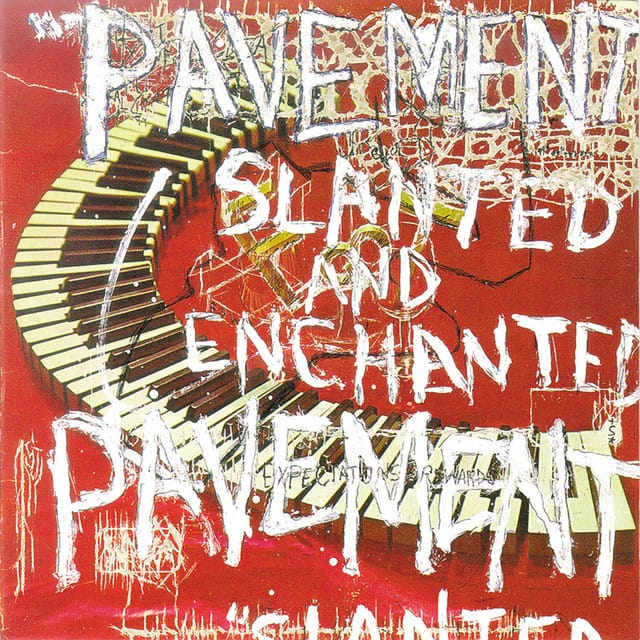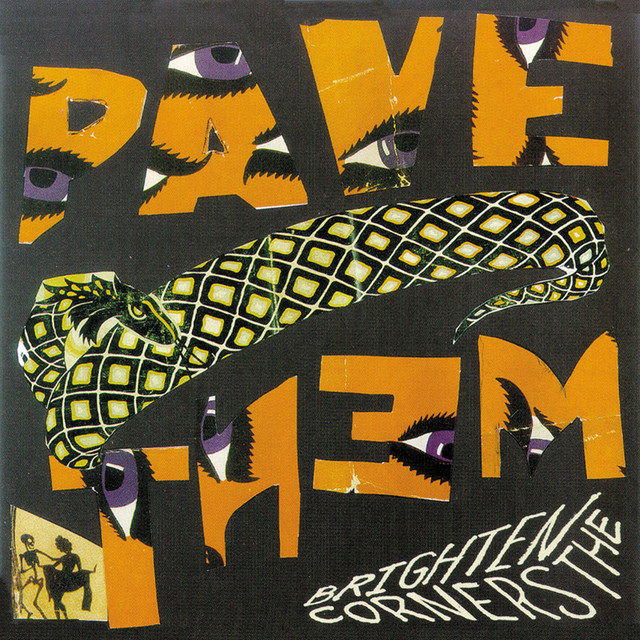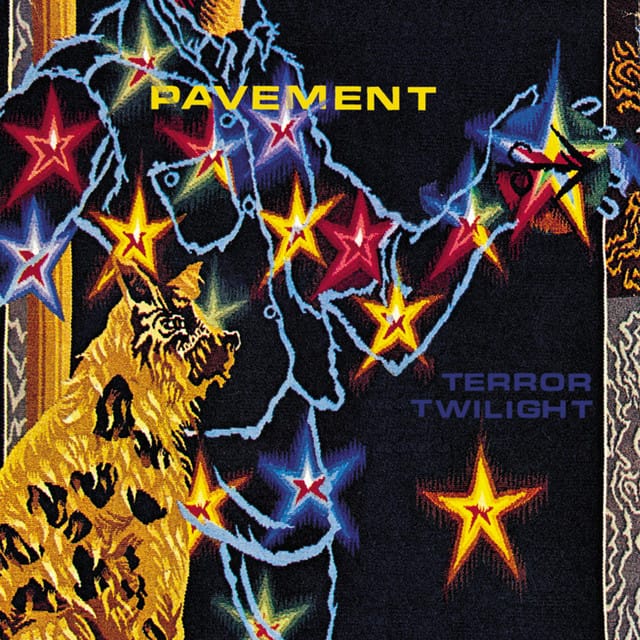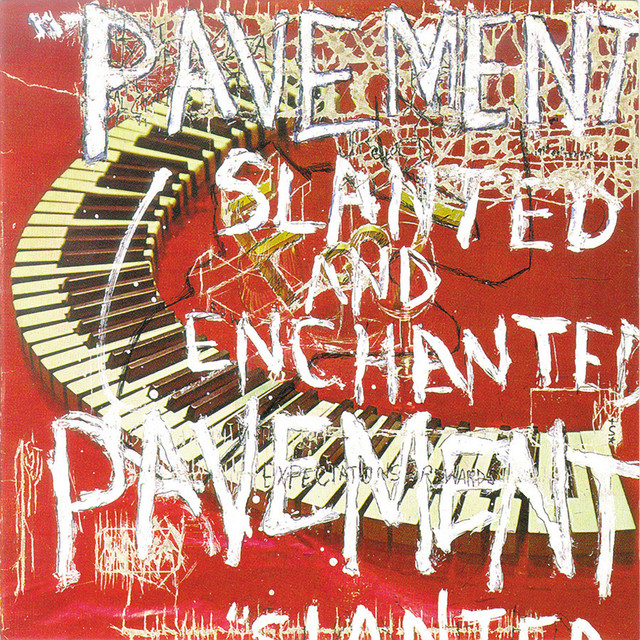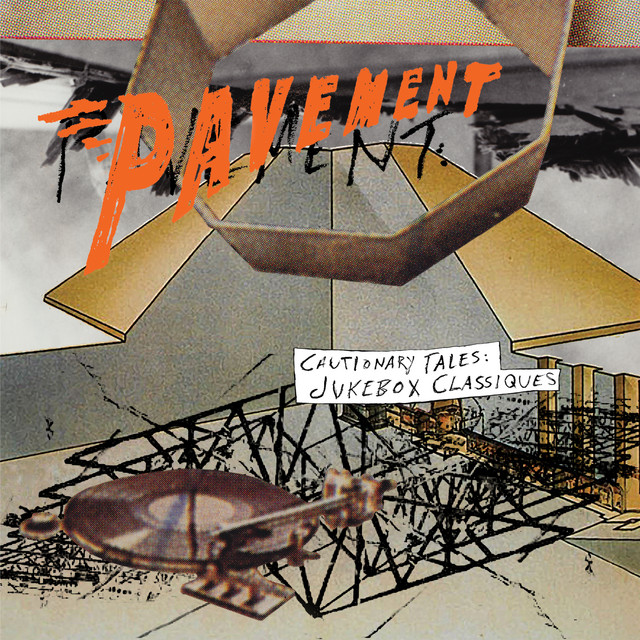

Pavement, hailing from Stockton, California, emerged in the late 1980s as one of the most influential bands in indie rock, often credited with shaping the lo-fi aesthetic that defined much of the 1990s underground music scene. Fronted by Stephen Malkmus, the band’s sound is characterised by its off-kilter melodies, cryptic lyrics, and a deliberately rough-around-the-edges production style that contrasted sharply with the polished mainstream rock of the era. Their debut album, Slanted and Enchanted (1992), remains a touchstone for indie musicians and fans alike, blending slacker rock with a keen sense of melody and irony.
Pavement’s influences are diverse, ranging from the Velvet Underground’s minimalist art rock to the jangly guitar pop of The Feelies and the experimental noise of Sonic Youth. This blend of inspirations gave Pavement a unique voice that was both accessible and challenging. Interestingly, their approach to songwriting, often eschewing traditional structures and embracing a kind of casual spontaneity, was partly inspired by Malkmus’s admiration for the Velvet Underground’s ability to make the unconventional feel effortless. The band’s use of cryptic and sometimes nonsensical lyrics created a mystique that invited listeners to find their own meanings, a trait that has kept their music relevant and fresh decades later.
Other bands have openly acknowledged Pavement’s impact on their work. Notably, indie heavyweights like Modest Mouse and The Strokes have cited Pavement as a crucial influence on their sound and ethos. The Strokes’ Julian Casablancas once remarked that Pavement’s effortless cool and DIY spirit were pivotal in shaping the garage rock revival of the early 2000s. Moreover, Pavement’s blending of lo-fi aesthetics with catchy hooks paved the way for countless indie bands to experiment with production values without sacrificing accessibility. Their influence extends beyond sound, touching on attitude and approach to the music industry itself.
A famous anecdote that captures Pavement’s offbeat charm involves their 1994 appearance on the UK’s Top of the Pops. Rather than performing live or lip-syncing, the band sent a video of themselves playing in a dimly lit room, which was broadcast instead. This low-key, almost dismissive approach to a mainstream platform perfectly encapsulated their ethos of anti-commercialism and nonconformity. It also endeared them further to their cult following, who saw Pavement as a band that refused to bend to industry expectations while still achieving critical and commercial success.
Despite their relatively short initial run—breaking up in 1999 before reuniting sporadically—Pavement’s legacy is enduring. They never achieved huge mainstream fame, but their influence permeates the indie rock landscape more profoundly than many bands with far larger commercial profiles. Their music, with its blend of wit, slacker cool, and inventive guitar work, continues to inspire new generations of musicians and listeners, cementing Pavement’s place as a seminal force in alternative music history.