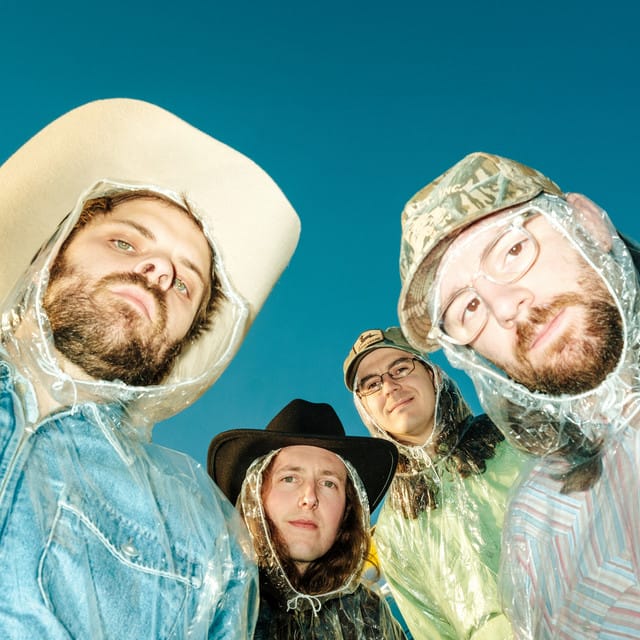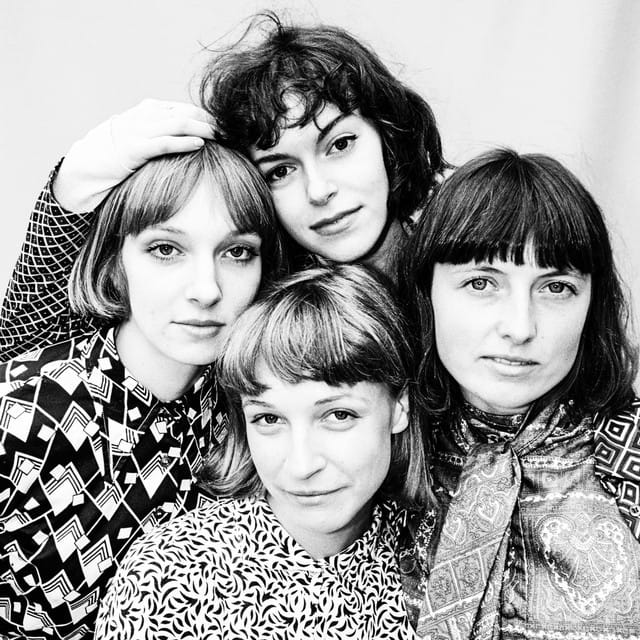
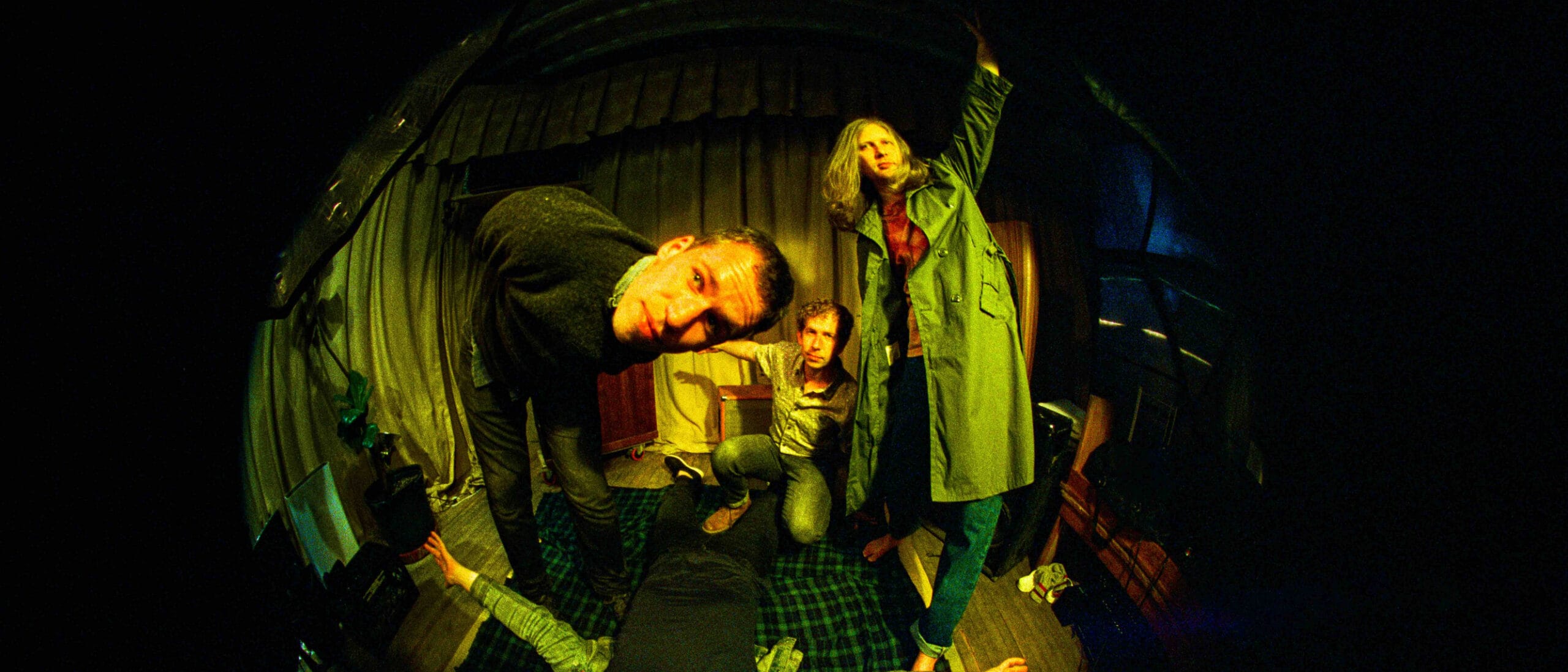
Parquet Courts cut a peculiar, urgent swathe through modern rock — a band that keeps one foot in lean, cynical post-punk and the other in an Americana that’s been shaken loose of nostalgia. Formed in 2010 in New York City by Austin Brown, Andrew Savage, Sean Yeaton and Max Savage (later joined by keyboardist/vocalist Kelly Pratt on some records and tours), they specialise in songs that sound half-notated and half-rushed into being: jagged guitar lines, motorik bass, and lyrics that register like field notes on the absurdities of contemporary life. Their records often pivot between sparse, garage-raw tracks and more arranged, thoughtful compositions; that tension between immediacy and craft is part of what keeps them interesting rather than merely ironic.
Their sound wears obvious influences without ever resembling a karaoke of them. You can hear The Velvet Underground’s minimalism and talk-sung detachment in Andrew Savage’s delivery, the terse political register of Wire and Mission of Burma in their blunt structural choices, and a kind of ragged country-rock lineage — think early Wilco or Jonathan Richman’s homespun oddness — filtering through their more melodic moments. They also share an intellectual kinship with New York’s downtown art-punk scene and lo-fi indie of the 2000s: loosed ideas, art-school wit, and an appetite for textural experiments. Lyrically, they’re closer to the lineage of Brooklyn-bred literate agnosticism than to arena rock swagger.
Parquet Courts’ influence has been quietly diffuse; they haven’t become a stadium template, but a handful of younger DIY and post-punk acts have plainly taken cues from their mixing of literate observation and propulsive, economical arrangements. Bands in the contemporary indie/post-punk micro-scene — especially those who oscillate between detached spoken-word vocalising and melodic hooks — often cite Parquet Courts as a touchstone for how to write brainy, politicised rock that still moves your body. Their impact is less a direct replication of sound than an example of how to combine intellectual restlessness with working-class musical immediacy.
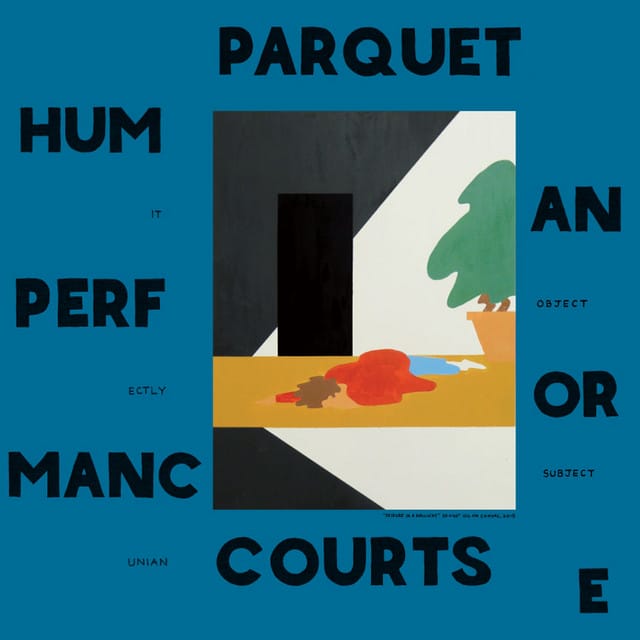
Famous anecdotes cluster around the band’s blunt humour and low-key anti-rock-star posture. A frequently retold moment: during the touring cycle for their breakthrough album, they turned down more ornate industry trappings and leaned into modest venues and chaotic, conversational stage banter — a posture that reinforced their image as sceptical elder-cousins to the indie world rather than its crown princes. Another story involves the recording of Human Performance (2016), an album where moments of fragility and directness—both in tone and production—led some reviewers to call it their most emotionally honest record; the band’s approach in the studio was reportedly collaborative and unvarnished, with demos and half-formed ideas kept rather than overproduced.
Politically, Parquet Courts have never been subtle: their songs and public comments often skew left, critical of neoliberal cruelties and the vapidities of late capitalism. They’re not a rallying band in the way that 1960s protest groups were, but their critiques are woven into quotidian observations — a method that avoids didacticism while keeping a moral line. This stance, paired with their New York provenance and touring ethos, has helped them occupy a particular left-leaning cultural niche: serious, sceptical, and committed to making music that refuses to be merely pretty background noise.