
Ned’s Atomic Dustbin sprang out of Stourbridge, England, in the late 1980s with a sound that refused easy pigeonholing: part indie-pop bounce, part throbbing alternative-metal undercurrent, all braided together with an unorthodox two-bass attack. Their unusual lineup — Jonn Penney on vocals, Alex Griffin and Matt Cheslin both on bass, Rat (real name David) on guitars and Dan Warton on drums — gave them a low-end heft that was as much a statement as an instrument choice. The result was music that could feel simultaneously crunchy and melodic, club-ready and subversively gloomy; it made them stand out on the fertile Midlands scene that also birthed bands with a working-class, post-industrial edge.
The band wore their influences on their sleeves but refracted them into something singular. You can hear the post-punk and shoegaze inheritance — the propulsive urgency of Gang of Four and the textured noise of My Bloody Valentine — while also catching the big hooks and attitude of punk and American college-rock. They were also plainly indebted to contemporaries like the Pixies for loud-soft dynamics; yet rather than mimic, Ned’s translated those references into low-frequency riffs and pogo-ready choruses. Their lyrics, often delivered in Penney’s distinct nasal cadence, favoured working-class observations and relational frustrations rather than ironic distance, which suited the left-leaning sensibility of crits who admired music that spoke plainly.
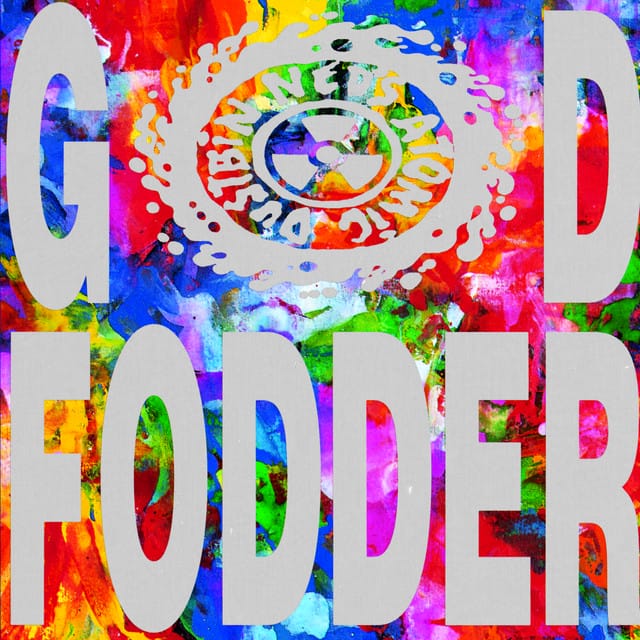
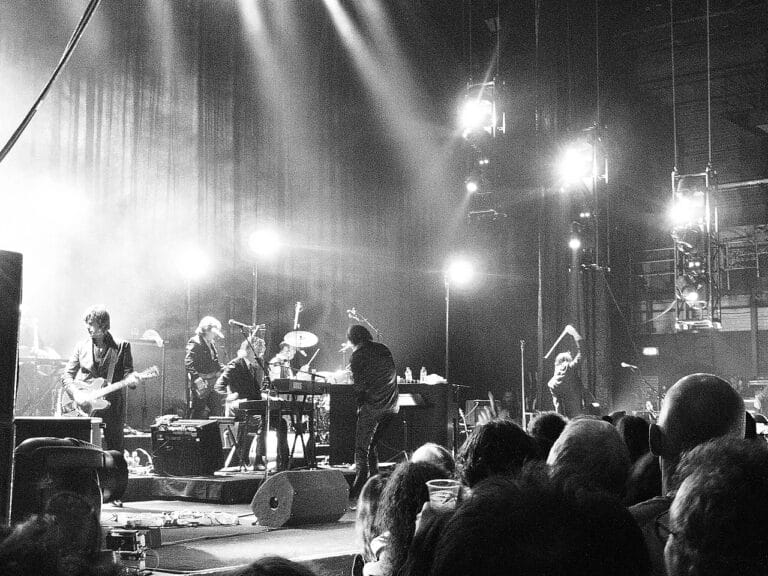
Ned’s Atomic Dustbin’s breakthrough came around their debut full-length, God Fodder (1991), which captured both the oddball inventiveness and arena-sized ambitions of the band. God Fodder’s singles — “Grey Cell Green” and “Kill Your Television” among them — were minor anthems on both indie and alternative radio. There are famous anecdotes from that era: for instance, their live show reputation was cemented when they refused to lip-sync for a TV performance and instead played with the raw, off-kilter energy that defined them; another enduring story is how their twin-bass setup once caused technical confusion at festivals, with sound engineers scrambling to separate clashing low end, making for unpredictable, memorable shows. Those tales reinforced their image as a band that prioritised sonic integrity and the communal energy of gigs over slick presentation.
Over the years, Ned’s influence has been quietly felt across British alt-rock. Bands who came through the 1990s and into the 2000s, particularly within the UK indie circuit, have cited them for their bold textural approach and refusal to bow to conventional guitar-fronted arrangements. While they never scaled the commercial peaks of Britpop peers, their aesthetic — muscular bass lines underpinning pop melodies — provided a template for later acts who wanted weight without sacrificing tunecraft. The band’s periodic reunions and anniversary shows have kept that reputation alive: they return to play for crowds who remember their early singles fondly and for newer listeners intrigued by the distinctive production choices of that moment in British indie.
Politically and culturally, Ned’s Atomic Dustbin occupied a comfortably left-leaning cultural position without becoming overtly polemical; their music tended to focus on personal and social unease rather than manifestos. That subtlety made them sympathetic to critics and fans who expected music to engage with social reality without reducing art to slogans. Today they’re often discussed with a kind of affectionate critical nostalgia: not as mere relics of a scene but as an example of how a small, ambitious band from England’s West Midlands could push pop forms by foregrounding rhythm and texture. If anything, the enduring charm of Ned’s is their willingness to be weirdly heavy and undeniably tuneful at the same time — an underrated lesson for contemporary bands trying to balance substance with reach.