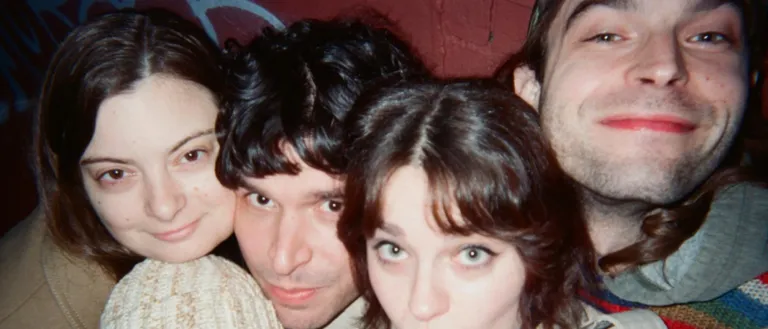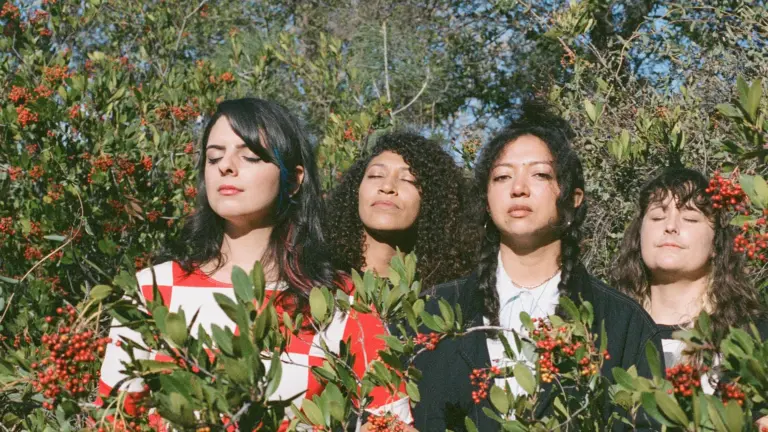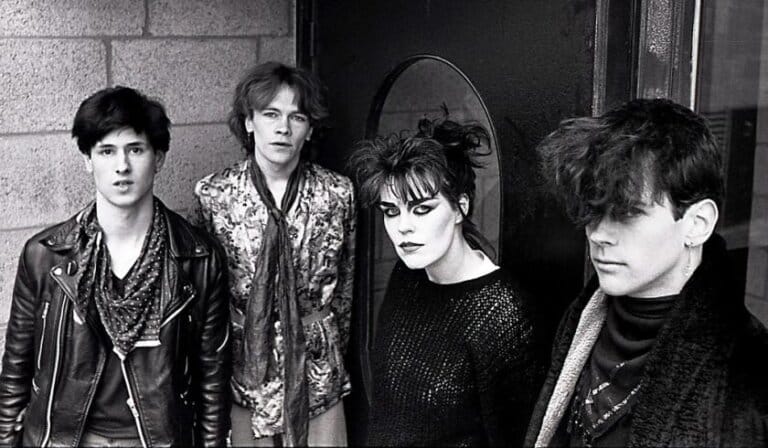

Idle Ray are an indie rock trio from Brighton, England, who graft together brittle guitar hooks and melancholic lyricism into songs that sound like postcards from a seaside town at dusk. Formed in 2016 by singer-songwriter Jess Connolly and guitarist Tom Archer after a chance meeting at a student radio gig, the band settled into a tight creative partnership with drummer Marcus Hale, whose spare, propulsive playing gives their quieter numbers an unexpected forward motion. Their early EPs were recorded in a cramped flat above a laundrette, a setting they still cite in interviews as crucial to their DIY ethic and the intimate, immediate feel of their recordings.
Their sound draws obvious inspiration from post-punk and jangly British guitar pop — think The Smiths’ melodic eye for detail and early Echo & the Bunnymen atmospherics — but they also weave in strands of Americana and folk storytelling, a nod to acts like Bright Eyes and Wilco. Lyrically, Connolly favours elliptical, image-rich lines rather than literal narratives; a recurring motif across their songs is the coastal geography of Sussex, where specific place names and weather detail anchor otherwise abstract emotional states. Producers who have worked with them often praise their willingness to experiment with texture: they’ve layered found-sound field recordings under choruses and occasionally used cello and harmonium to temper the guitars’ chime.
Other bands in the British independent scene have acknowledged Idle Ray’s influence, particularly among younger acts on the Brighton circuit who’ve adopted their knack for marrying personal lyricism to concise, radio-friendly hooks. Local promoters cite a wave of post-2018 bands who modelled their live setups and split-single releases on Idle Ray’s early blueprint: tight three-piece arrangements, a strong lead vocal presence, and songs that build to cathartic refrains without overstaying their welcome. Music bloggers often point to Idle Ray as an example of how a band can be both distinctly local and quietly aspirational — their songs feel rooted in place, yet crafted with a wider audience in mind.
A few anecdotes have become part of the band’s folklore. One of the more famous stories involves a disastrous but mythologised slot at a seaside festival where their amps were flooded during an onstage downpour; rather than stopping, they kept playing through the rain and the moment became a viral clip that helped widen their audience. Another recurring tale involves the laundrette above which they lived: after a round of demos recorded there, a local vinyl pressing plant offered to cut a run of 200 copies as an experiment — those initial pressings sold out in days and now fetch a small premium among collectors, which the band views with bemused pride.
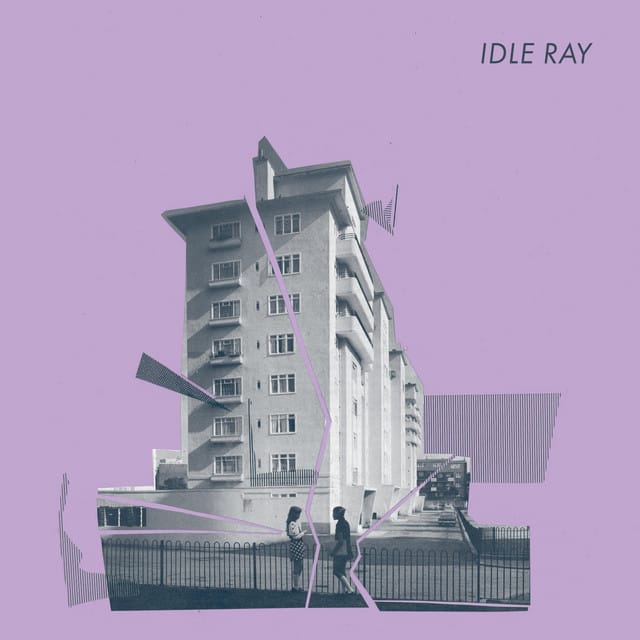
In recent years Idle Ray have continued to refine their approach without abandoning the core elements that won them attention: confessional songwriting, carefully arranged dynamics, and a modest, community-minded approach to touring and release strategy. They’ve collaborated with visual artists for their videos and packaging, reinforcing the sense that their work is part of a larger creative scene rather than merely a commercial product. While still operating largely within independent channels, their consistent growth and the respect they’ve earned from peers suggest they’re not simply a local phenomenon — Idle Ray are quietly staking a claim as one of the more thoughtful and resilient bands to come out of the southern English coast in the last decade.