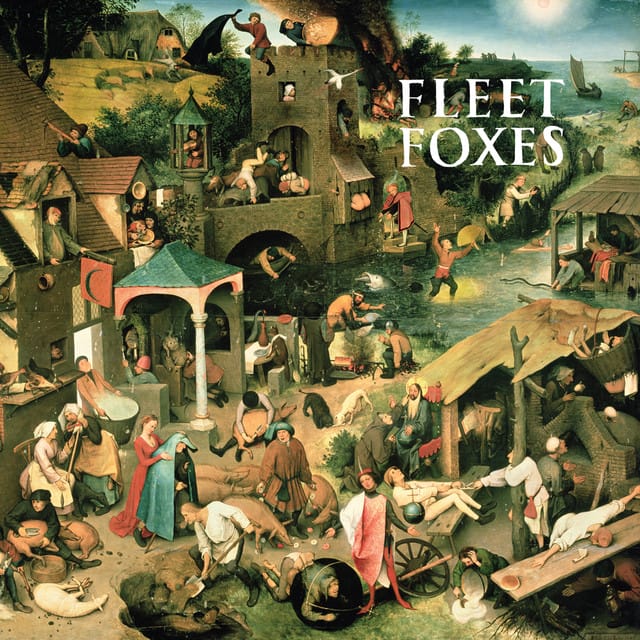

Fleet Foxes, hailing from Seattle, Washington, have carved a distinctive niche within the indie folk landscape since their formation in 2006. Their sound is a rich tapestry of lush harmonies and intricate acoustic arrangements, drawing heavily from the pastoral folk traditions of the 1960s and 1970s. The band’s music channels the spirit of artists like Crosby, Stills, Nash & Young and Nick Drake, but with a contemporary sensibility that feels both timeless and fresh. What sets Fleet Foxes apart is their meticulous attention to vocal layering, creating a choral effect that has become their signature.
One of the most compelling aspects of Fleet Foxes’ story is their rise through the internet’s early music sharing platforms, which helped them build a dedicated following without the backing of a major label initially. Their debut album, released in 2008, was a quiet storm, earning critical acclaim for its poetic lyricism and organic sound. A famous anecdote often recounted is how Robin Pecknold, the band’s frontman, recorded much of the debut album in his childhood bedroom, imbuing the work with a deeply personal and intimate atmosphere that resonates with listeners.
Influences on Fleet Foxes extend beyond the obvious folk lineage. The band has cited classical composers like Johann Sebastian Bach for their complex vocal arrangements, while also drawing inspiration from the natural world, which is a recurring theme in their lyrics and album artwork. Their sophomore album, “Helplessness Blues,” pushed their sound into more experimental territory, reflecting Pecknold’s evolving songwriting and philosophical musings on identity and purpose. This progression has not gone unnoticed; numerous contemporary folk and indie bands, such as The Decemberists and Bon Iver, have acknowledged Fleet Foxes’ impact on their own music.
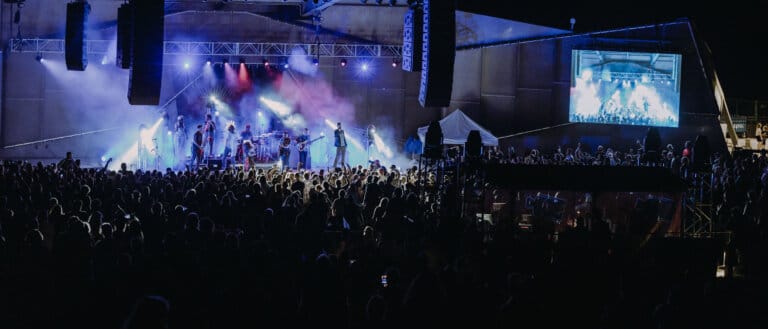
Fleet Foxes’ live performances are another aspect that has contributed to their reputation. Known for their precise harmonies and almost ritualistic stage presence, their concerts feel like communal experiences rather than mere shows. An often-shared story involves their 2011 tour, where they performed in remote locations and small venues, enhancing their connection with audiences and solidifying their cult status. Their approach to touring reflects a commitment to authenticity and intimacy, which contrasts with the often grandiose nature of modern music tours.
In terms of legacy, Fleet Foxes have quietly influenced a generation of musicians who seek to blend folk traditions with modern indie aesthetics. Their ability to evoke nostalgia while simultaneously pushing the boundaries of folk music has made them a touchstone for artists exploring similar sonic landscapes. Despite their relatively low profile in mainstream media, their work continues to inspire both fans and musicians alike, underscoring the power of music that is crafted with care, depth, and a genuine connection to its roots.