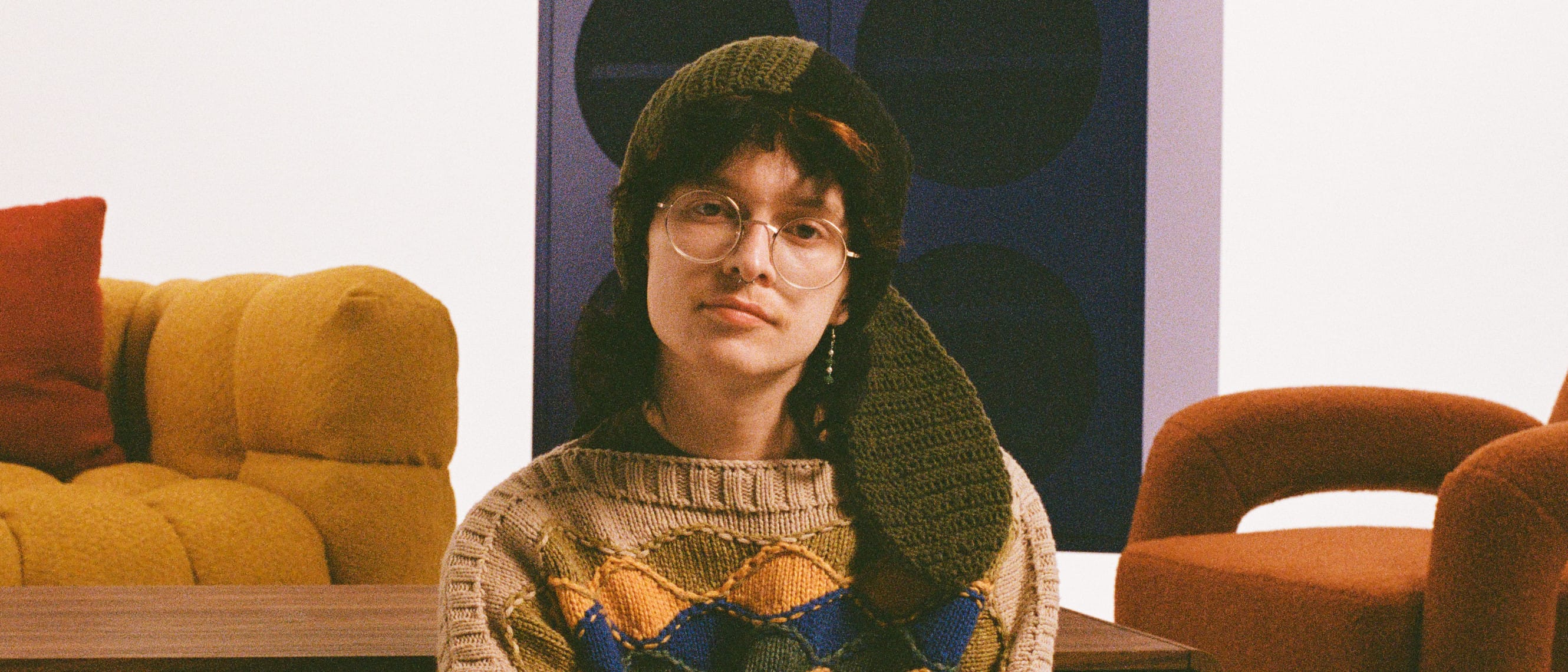
Cavetown, the musical project of Robin Skinner, hails from the quaint surroundings of Cambridge, England. Known for his introspective lyrics and lo-fi sound, Skinner began recording music in his teenage years, initially posting songs on platforms like YouTube and SoundCloud. His ability to blend soft melodies with poignant storytelling has resonated with a diverse audience, earning him a dedicated fanbase. The artist’s unique approach to music often reflects his experiences with mental health, which has fostered a deep connection with listeners who find solace in his words.
Drawing inspiration from a variety of artists, Cavetown’s sound is a tapestry woven from the threads of indie pop, folk, and bedroom pop. Influences such as Bright Eyes, Sufjan Stevens, and even the whimsical tones of artists like Jack Stauber can be detected in his music. Notably, fellow musicians like Billie Eilish and Clairo have cited Cavetown as an influence, highlighting his role in shaping the contemporary indie scene. This cross-pollination of ideas has helped cultivate a rich environment for creativity, where emerging artists are inspired by Cavetown’s authentic expression.
One of the most famous anecdotes surrounding Cavetown is the story of how he recorded his first album, “Cavetown,” in his bedroom using a simple microphone and a laptop. The rawness of this recording process is evident in the music, which captures the essence of vulnerability and authenticity. Fans often share their personal stories of how his songs have helped them navigate their own struggles, creating a community that thrives on shared experiences and mutual support.
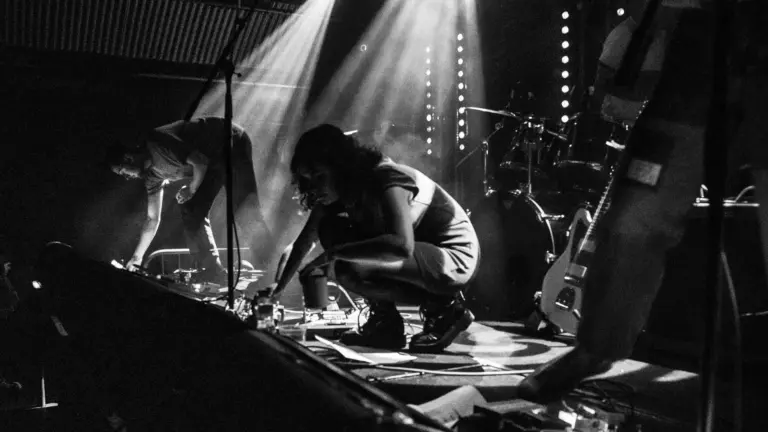
Cavetown’s live performances are equally captivating, often characterised by an intimate atmosphere where fans feel like they are part of something special. During shows, Skinner frequently interacts with the audience, sharing anecdotes and encouraging them to sing along. This connection has led to memorable moments, such as when he invited a fan on stage to perform a song together, creating a lasting memory for both the artist and the audience.