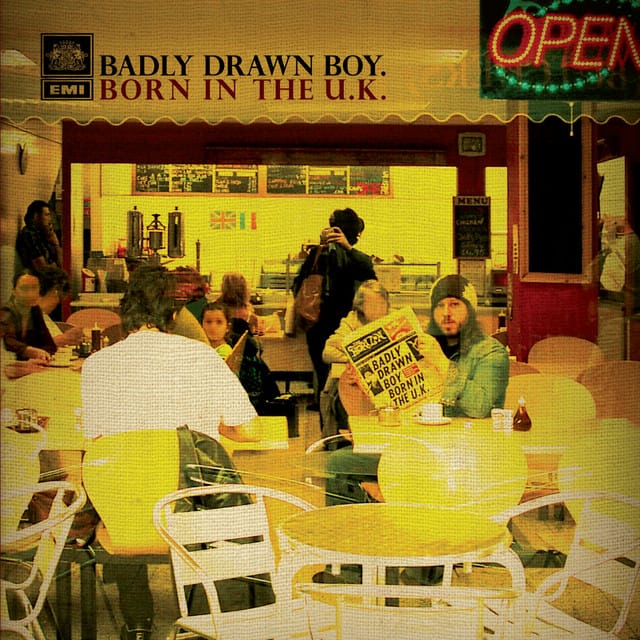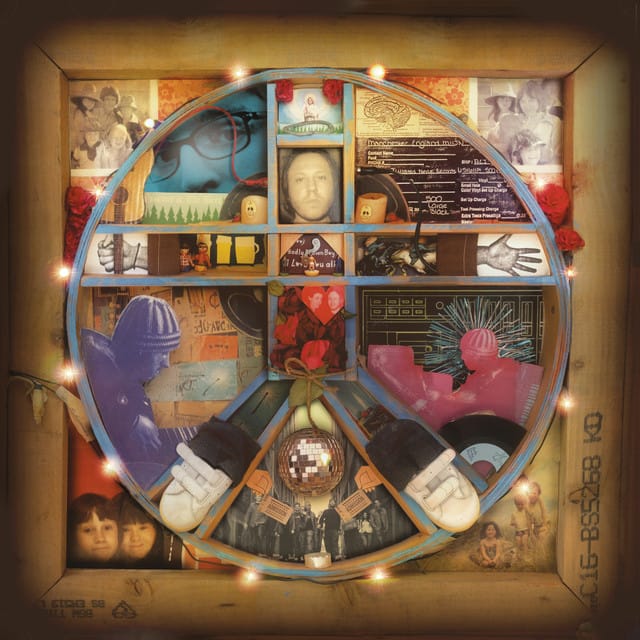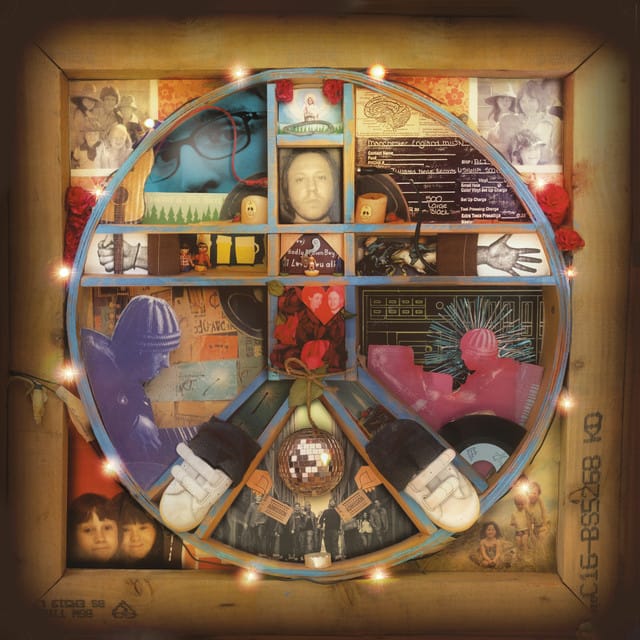

Badly Drawn Boy is the recording name of Damon Gough, born in 1969 in Didsbury, Manchester. Far from a typical Manchester indie export defined by swaggering guitar bands, Gough’s work is intimate and often folky, folding home-recorded textures and carefully observed lyrics into arrangements that can feel like private diary entries made widescreen. His early releases — self-made EPs and the sprawling 2000 debut album The Hour of Bewilderbeast — announced a songwriter who treated small domestic details and oddball humour with equal seriousness, and who could shift from whisper to huge cinematic gestures without losing emotional credibility.
Gough grew up steeped in British folk and classic singer-songwriter traditions; he’s cited influences ranging from Nick Drake and Joni Mitchell to Neil Young, but he also wears his love for the subtleties of hip-hop production and sample-based collage on his sleeve. In interviews he’s mentioned the way Beck’s genre-bending approach opened possibilities for him, and you can hear a similar willingness to mix acoustic fingerpicking with cut-up textures and unexpected instrumentation. That hybrid sensibility — folk lyricism married to modern studio invention — became a signature that set him apart from many contemporaries.
Badly Drawn Boy’s profile rose dramatically when he won the 2000 Mercury Prize for The Hour of Bewilderbeast, an accolade that propelled him from cult figure to national conversation. A memorable anecdote from that period: when presenting tracks from the album live, Gough would sometimes bring unusual props onstage — toy instruments or an old reel-to-reel — underscoring his DIY ethos and slightly offbeat performative charm. Another famous moment came when he scored the film About a Boy (2002); the soundtrack’s lead single “Something to Talk About” introduced his music to a wider international audience and tied his melancholic humour to an instantly recognisable filmic context.
Other artists have acknowledged Gough’s influence in subtle ways. His blend of confessional songwriting and eclectic production can be traced in later British singer-songwriters who mix intimacy with studio ambition — names such as Frank Turner and Sam Beam (Iron & Wine) have noted the freedom artists like Gough modelled for balancing home-recorded honesty with larger arrangements. While he hasn’t been quoted as a primary influence by a huge roster of pop acts, his status as an artist who made lo-fi methods feel grander has left a clear mark on the UK indie and folk-adjacent scenes of the 2000s.
Across a career that’s alternately prolific and quietly sporadic, Gough has remained stubbornly himself: prone to self-deprecating humour, meticulous about songcraft, and resistant to the idea of celebrity for its own sake. Later records — from Have You Fed the Fish? to One Plus One Is One — show him experimenting with pop textures and orchestral touches while still privileging narrative detail and melodic subtlety. For listeners who value songs that feel like overheard confessions, wrapped in curious arrangements and a Mancunian wit, Badly Drawn Boy remains a distinctive and rewarding figure within modern British songwriting.